Download
1 / 6
60 likes | 178 Views
At DHS, we strive to nurture a passion for learning by engaging students in authentic, inquiry-based tasks that connect to the real world. This approach encourages the development of individual questions driven by curiosity and a desire for knowledge. We categorize questions into Levels A, B, and C—ranging from easily researched facts to complex, open-ended inquiries that provoke thought and debate. By fostering observation skills and aesthetic awareness, students not only refine their reading and research strategies but also cultivate a deeper understanding of the world around them.

E N D
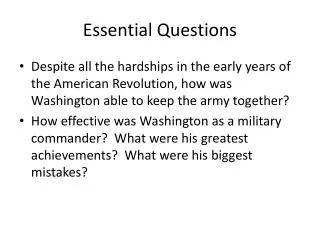
Essential Questions Learning Expectation #3: develop reading and research strategies, observation skills, and aesthetic awareness through engagement with authentic, inquiry-based tasks
Intellectual Curiosity • One of the goals of DHS is to encourage students to develop a love for learning • When we say we want you to engage in authentic, inquiry based tasks, we mean you should • do things related to the real world (authentic) and not do something artificial (worksheets) and… • do them because you want to find the answers to your own questions (inquiry means to find answers) • BUT FIRST, you need to develop your own questions and be curious about something
Types of Questions • Level C: Questions that can be easily answered by looking up the answer somewhere • When was WWII? • Level B: Questions that are specific but have more than one right answer and can be debated • Why were women participating in WWII? • Level A (Essential Questions):Questions that are not as specific as level B and can be applied to a variety of situations; often people have opinions about these questions without even understanding certain content • Should women be participating in wars?
Level C Questions: Examples • How did people escape from North Korea? • How did Mrs. Brown kill a bear? • When does this class end? • Did Mrs. Brown really kill a bear?
Level B Questions: Examples • How did Stalin instill fear and dominance in the USSR? • What weapon is most effective in disarming a bear? • Is NASCAR a sport? • How did Pol Pot rise to power?
Level A Essential Questions: Examples • How do leaders insight fear and dominance in their citizens? • Should bears have rights? • What defines a sport?