Download

1 / 6
70 likes | 189 Views
This guide outlines critical procedures for collecting and packaging ballistic evidence, ensuring accurate and safe handling. It emphasizes the distinction between entrance and exit wounds, noting that entrance wounds are typically smaller and neater, while exit wounds are larger and messier. Proper protocols for firearms, bullets, cartridge cases, and gunshot residue (GSR) are detailed, including the importance of using gloves, avoiding metal tools, and securing items in appropriate packaging. Always maintain clear labeling of the chain of custody for evidence integrity.

E N D
Ballistics Evidence Notes on page 75
Warning Next slide is slightly disturbing
Entrance vs exit wounds • Entrance Wounds are typically smaller and neater • Exit Wounds are typically larger and messier
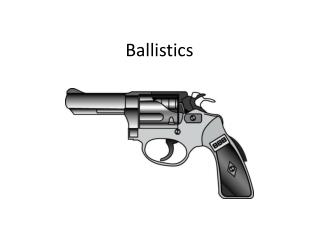
Collecting and Packaging Ballistic evidence • Guns • Make sure they are unloaded before packaging! • Package in a secure box • Do not package with any other objects
Collecting and packaging ballistic evidence • Bullets and Cartridge Cases • Do not use metal tipped tweezers! • Wear gloves when handling evidence • Package separately in coin envelope
Collecting and packaging ballistic evidence GSR • Allow to air-dry before packaging • Package items individually • Package in a paper bag • Label chain of custody! On everything!