How to Maximize E-commerce Potential with WordPress Plugin Integration
WordPress plugins offer a wide range of features and functionalities that can enhance the e-commerce potential of your website. In this comprehensive guide, we will explore the importance of plugins for WordPress websites, how to effectively manage them, and highlight some of the best free plugins available. Additionally, we will delve into the significance of updating WordPress plugins and provide a step-by-step process for keeping your website up-to-date.

How to Maximize E-commerce Potential with WordPress Plugin Integration
E N D
Presentation Transcript
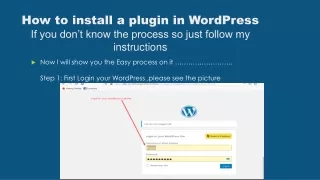
How to Maximize E-commerce Potential with WordPress Plugin Integration In today's digital age, e-commerce has become an essential component of business success. To thrive in the online marketplace, it is crucial to leverage the power of WordPress and its vast ecosystem of plugins. WordPress plugins offer a wide range of features and functionalities that can enhance the e-commerce potential of your website. In this comprehensive guide, we will explore the importance of plugins for WordPress websites, how to effectively manage them, and highlight some of the best free plugins available. Additionally, we will delve into the significance of updating WordPress plugins and provide a step-by-step process for keeping your website up-to-date. I. Understanding the Role of Plugins for WordPress Websites Plugins are software extensions that add specific features and functionalities to your WordPress website. In the context of e-commerce, plugins can provide crucial tools for managing online stores, optimizing product listings, enhancing user experience, and streamlining payment gateways. They offer a cost-effective and efficient way to customize your website without extensive coding knowledge. By selecting and integrating the right plugins, you can maximize the e-commerce potential of your WordPress website. II. Effective Management of WordPress Plugins 1. Plugin Selection: Choose plugins that align with your e-commerce goals and cater to the specific needs of your online store. Research and evaluate the available options, considering factors such as user ratings, reviews, support documentation, and compatibility with your WordPress theme. 2. Plugin Installation: Install plugins directly from the WordPress Plugin Directory or from trusted third-party sources. Follow the recommended installation instructions provided by the plugin developer. 3. Plugin Activation: After installation, activate the plugin from the WordPress dashboard. Some plugins may require additional configuration or setup steps to start functioning properly.
4. Plugin Settings: Configure the plugin settings according to your preferences and business requirements. Most plugins offer intuitive interfaces and user-friendly options to customize their functionalities. 5. Regular Plugin Audit: Periodically review the plugins installed on your website. Remove any unused or redundant plugins to optimize performance and reduce security risks. III. Best Free Plugins for WordPress E-commerce 1. WooCommerce: The most popular e-commerce plugin for WordPress, offering extensive features for product management, payment gateways, and order processing. 2. Yoast SEO: Enhances your website's search engine optimization (SEO) capabilities, improving visibility and organic traffic for your e-commerce store. 3. WPForms: Allows you to create and manage customizable forms, enabling efficient customer communication, lead generation, and feedback collection. 4. Easy Digital Downloads: Specifically designed for digital product sales, providing a seamless and secure digital downloads experience for customers. 5. MonsterInsights: Integrates Google Analytics into your website, providing valuable insights into user behavior, conversion tracking, and marketing campaign analysis. IV. The Importance of Updating WordPress Plugins Regularly updating your WordPress plugins is crucial for the security, stability, and performance of your e-commerce website. Outdated plugins may contain vulnerabilities that can be exploited by hackers, leading to potential data breaches or website malfunctions. Additionally, plugin updates often include bug fixes, compatibility improvements, and new features that can enhance your e-commerce operations. V. How to Update WordPress Plugins 1. Backup Your Website: Before performing any updates, it is essential to create a backup of your website to safeguard against potential issues during the update process.
2. Update Notification: WordPress will notify you within the dashboard when plugin updates are available. Keep an eye on these notifications or consider using a plugin that manages updates automatically. 3. Review Update Information: Before proceeding with the update, review the changelog and release notes provided by the plugin developer. This will give you insights into the changes and improvements included in the update. 4. Update Process: From the WordPress dashboard, navigate to the "Plugins" section and click on "Updates." Select the plugins that require updating, then click "Update Plugins" to initiate the process. Alternatively, you can update individual plugins from the "Installed Plugins" page. 5. Test Your Website: After updating the plugins, thoroughly test your e-commerce website to ensure all functionalities are working correctly. Verify that the update did not cause any compatibility issues with your theme or other plugins. Conclusion WordPress plugins play a vital role in maximizing the e-commerce potential of your website. By selecting, managing, and updating the right plugins, you can enhance functionality, security, and performance. Embrace the power of plugins to customize your online store, optimize SEO, streamline payment processes, and improve user experience. Stay proactive in managing and updating wordpress plugins to ensure the stability and success of your e-commerce venture. With the right plugin integration, you can unlock new opportunities for growth and provide a seamless experience for your customers.