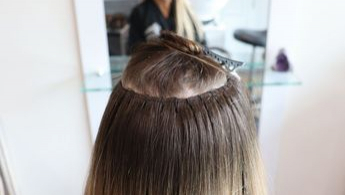
Hair extensions are an investment in your confidence and style. Whether you wear them for added volume, length, or both, proper maintenance is essential to keep them looking flawless. One of the most common questions extension users ask is: “How often should I wash and style hair extensions?”
The answer depends on the type of extensions you wear, your lifestyle, and how well you care for them daily. Washing too often can dry them out, while infrequent cleaning may lead to product buildup. In this guide, we’ll walk through everything you need to know about maintaining your hair extensions, from washing frequency to styling tips that extend their lifespan.
Why Hair Extension Maintenance Matters
Unlike natural hair, hair extensions don’t receive oils from the scalp to stay hydrated. This means they can dry out more quickly if not cared for properly. Good maintenance ensures:
- Longer lifespan: High-quality extensions can last months with proper care.
- Healthy look: Extensions stay soft, shiny, and tangle-free.
- Comfort: Clean, lightweight extensions feel better to wear.
- Natural blending: Well-maintained extensions seamlessly match your own hair.
Neglecting maintenance, on the other hand, can cause matting, dryness, and even shorten the life of your investment.
How Often Should You Wash Hair Extensions?
Washing frequency depends on the type of extensions:
Clip-in Extensions
- Wash every 10–15 wears (or once every 2–3 weeks).
- Since clip-ins are removed daily, they don’t accumulate as much oil.
- Avoid over-washing to maintain softness and prevent shedding.
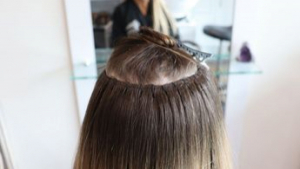
Tape-in Extensions
- Wash 2–3 times per week.
- Use sulfate-free shampoo to protect the adhesive bonds.
- Avoid applying conditioner directly to the tapes, as it can loosen them.
Sew-in/Weave Extensions
- Wash once a week or every 10 days.
- Focus on the scalp to remove buildup and keep natural hair healthy.
- Dry thoroughly to prevent mildew or odor.
Halo Extensions
- Wash every 10–15 wears.
- Like clip-ins, halos are not worn 24/7, so they don’t need frequent cleaning.
Keratin Bond or Fusion Extensions
- Wash 2–3 times per week.
- Be gentle around the bonded areas to avoid weakening the keratin.
Best Practices for Washing Hair Extensions
When washing hair extensions, it’s important to follow best practices to keep them looking smooth and lasting longer. Always start by detangling the hair with a wide-tooth comb or loop brush to prevent breakage during washing. Use lukewarm water instead of hot water, as high temperatures can dry out the strands. Choose gentle, sulfate-free shampoos and pair them with moisturizing conditioners to maintain softness and shine.
While washing, move your hands in a downward motion to avoid tangling and matting. After rinsing, dry the extensions carefully by patting them with a microfiber towel and allowing them to air-dry whenever possible. For extra care, deep condition your extensions once every two to three weeks to restore and lock in moisture.
How Often Should You Style Hair Extensions?
Just like washing, how often you style your hair extensions plays a big role in their longevity. It’s best to limit heat styling to two or three times per week and always apply a heat protectant spray before blow-drying, curling, or straightening. To reduce damage, rotate between heat styling and heat-free methods, such as braiding your hair for natural waves.
Avoid wearing constant high ponytails or tight hairstyles, as these can strain the bonds and weaken the extensions. For clip-ins or halo extensions, it’s a good idea to style them before putting them in to minimize unnecessary tugging on your natural hair.
Heat Styling vs Heat-Free Styling
Heat Styling
- Pros: Sleek, polished looks; works with all textures.
- Cons: Can cause dryness, split ends, and reduce extension lifespan.
Heat-Free Styling
- Overnight braids for waves.
- Flexi rods or foam rollers for curls.
- Bun or twist styles for natural volume.
Daily Care Tips for Hair Extensions
To keep your hair extensions in top condition between washes and styling sessions, follow a simple daily care routine. Brush them gently twice a day to prevent tangles and keep the strands smooth. At night, protect your extensions by sleeping with a loose braid or wearing a silk bonnet to reduce friction.
Be mindful when applying oils or serums and avoid using them directly near the bonds or tapes, as this can cause slipping. Additionally, steer clear of chlorine and saltwater whenever possible, or wear a protective swim cap to shield your extensions from damage.
Common Mistakes to Avoid
A frequent mistake with hair extensions is washing them too often, which strips away natural oils and leaves them dry. Using shampoos with sulfates can also weaken bonds and cause dryness, so it’s best to stick to gentle, sulfate-free products. Another error is applying conditioner directly on tapes or bonds, as this can loosen them—focus only on the mid-lengths and ends instead.
Overusing heat tools without protection can damage extensions, while going to bed with wet hair often leads to tangling and breakage. Keeping these mistakes in mind will help your extensions last longer and look healthier.
Conclusion
Proper care is the key to long-lasting, beautiful hair extensions. The golden rule is: wash them only as often as necessary and style with care. For most extension types, this means washing 2–3 times per week (or less for clip-ins and halos) and limiting heat styling to a few times weekly.
By following these maintenance tips—using gentle products, avoiding excessive heat, and brushing regularly—you’ll keep your extensions soft, shiny, and natural-looking. Remember, the better you care for your extensions, the longer they’ll enhance your style and confidence.