Download

1 / 4
0 likes | 1 Views
In industrial environments, hazardous energy is a constant threat. Valves controlling steam, gas, chemicals, or liquids can pose serious risks if not properly isolated during maintenance or servicing. Thatu2019s why valve lockout is a critical part of Lockout Tagout procedures - ensuring equipment remains safely de-energized until work is complete.

E N D
Essential Tips for Safe and Compliant Valve Lockout in the Workplace In industrial environments, hazardous energy is a constant threat. Valves controlling steam, gas, chemicals, or liquids can pose serious risks if not properly isolated during maintenance or servicing. That’s why valve lockout is a critical part of Lockout Tagout procedures - ensuring equipment remains safely de-energized until work is complete. Effective valve lockout not only protects workers but also ensures compliance with global safety standards. Understanding Valve Lockout in LOTO Systems: Valve lockout devices are designed to physically prevent the operation of valves during maintenance. They are applied to ball valves, gate valves, butterfly valves, and other types of controls to stop accidental release of energy. By integrating valve lockout into LOTO systems, organizations meet regulatory requirements such as OSHA standards and ISO 45001, while reinforcing a culture of accountability.
Essential Tips for Effective Valve Lockout: 1. Select the Right Device Each valve type requires a specific lockout solution. Ball valves, for example, need devices that secure the handle in the “off” position, while gate valves require covers that prevent rotation. Always ensure compatibility between the lockout device and the valve design. 2. Prioritize Durability Valve lockout devices must withstand harsh industrial conditions - heat, moisture, chemicals, and mechanical stress. Durable materials like reinforced polymers or metals ensure long-term reliability.
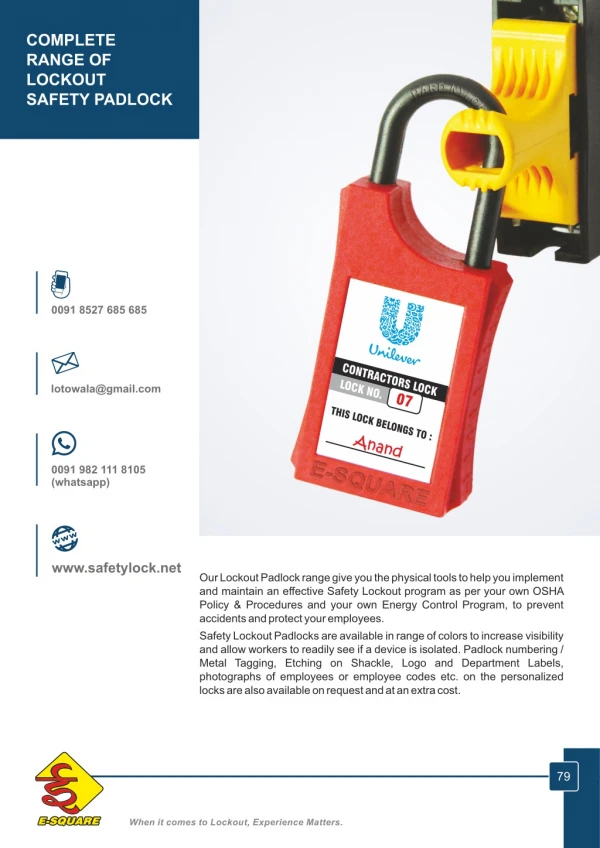
3. Ensure Clear Identification Lockout devices should be paired with safety tags that communicate ownership, purpose, and duration of the lockout. Clear labeling prevents confusion and reinforces accountability. 4. Standardize Across Sites Consistency is key. Standardizing valve lockout devices across departments and facilities helps workers instantly recognize and respect lockout procedures, reducing the risk of error. 5. Train Teams Thoroughly Even the best devices are ineffective without proper training. Workers must understand when and how to apply valve lockouts, who is authorized to remove them, and the importance of compliance. Regular refresher training strengthens awareness and confidence. 6. Audit Regularly Routine audits ensure devices are in place, functional, and compliant. Replace worn or damaged equipment immediately to maintain safety integrity.
Common Mistakes to Avoid: Using makeshift or non-compliant devices Failing to label or identify lockouts Reusing damaged or outdated equipment Overlooking compatibility with specific valve types Avoiding these pitfalls ensures valve lockout systems remain effective and trustworthy. Building a Safety Culture Around Valve Lockout Valve lockout is more than a compliance requirement - it’s a commitment to worker safety. When teams understand the importance of lockout devices and respect their use, safety becomes ingrained in daily operations. Leaders play a vital role in reinforcing this culture by modeling best practices and prioritizing safety investments. Conclusion: Turning Compliance into Commitment Valve lockout is a small step with a big impact. By selecting the right devices, training teams, and auditing regularly, organizations can transform compliance into a culture of care and accountability. For companies seeking reliable solutions, E-Square offers a comprehensive range of valve lockout devices designed for durability, compliance, and ease of use. Their products empower safety managers and workers alike to lock out risk and unlock peace of mind.