Using a Stand-Alone Instructional Resource To Teach Basic Bleeding Control Methods
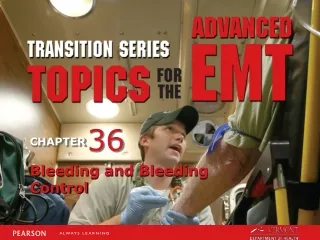
This instructional program, designed for novice learners of all ages, focuses on basic bleeding control methods using an interactive, stand-alone learning station. The program targets EMT students, Boy Scouts, Girl Scouts, and babysitters interested in emergency medical care. Learners will understand different types of bleeding and techniques such as direct pressure and tourniquet application. Using a didactic approach with video demonstrations, learners will actively participate and receive feedback to solidify their knowledge. Completion earns a certificate, promoting engagement through existing technology.

Using a Stand-Alone Instructional Resource To Teach Basic Bleeding Control Methods
E N D
Presentation Transcript
Using a Stand-Alone Instructional Resource To Teach Basic Bleeding Control Methods Designed by: Randall Johann MSU CEP 811
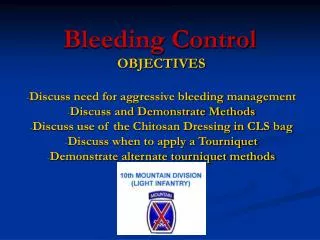
What does it do? I intend to design, develop and implement a stand alone instructional program to teach basic bleeding control methods to novice learners of all ages using an interactive unattended learning station. Randall Johann
Who will it teach? The target audience will be novice learners of all ages interested in learning basic bleeding control methods. EMT students, boy scouts, girls scouts and babysitters are likely participants. Randall Johann
What’s the Goal? Upon successful completion each learner will: • Understand and differentiate arterial, venous and capillary bleeding. • Understand how to use direct pressure, elevation, arterial pressure points and the tourniquet as a methods of emergency medical care for external bleeding. Randall Johann
Methodology I will use didactic methodology to present new information to the learner, interjecting video clips and demonstrations of bleeding control techniques. Both correct and incorrect actions will be used, requiring the learner to identify the appropriate action. When the correct action is selected the learner will advance to the next section. An incorrect response will trigger remedial review of the appropriate material and re-evaluation. Randall Johann
Learner Response Learners will respond to questions to confirm their knowledge acquisition during the progressive presentation of the lesson. Randall Johann
Feedback Learners will receive programmed feedback to their responses, affirming correct choices or remediating the learner on incorrect responses. Successful completion of the course will produce a certificate of completion for the learner Randall Johann
Summary The use of a stand-alone instructional teaching program allows for interactive individualized learning using existing technology infrastructure. Learners will be engaged and involved in their learning while demonstrating knowledge transfer and cognitive acquisition. Your ongoing support of this project is appreciated! Randall Johann