Understanding Haemophilus influenzae Type B: Epidemiology, Vaccination, and Clinical Features
This comprehensive overview highlights key information regarding Haemophilus influenzae type b (Hib), a leading cause of invasive disease in children. We examine its clinical features, transmission patterns, and epidemiology in the United States from 2002-2006, noting a drastic reduction in incidence due to vaccination. The document discusses the available conjugate vaccines, their interchangeability, and dosing recommendations, as well as guidance for pediatric cases following invasive disease. Additionally, we address adverse reactions and vaccination precautions.

Understanding Haemophilus influenzae Type B: Epidemiology, Vaccination, and Clinical Features
E N D
Presentation Transcript
Note to presenters: Images of vaccine-preventable diseases are available from the Immunization Action Coalition website at http://www.vaccineinformation.org/photos/index.asp
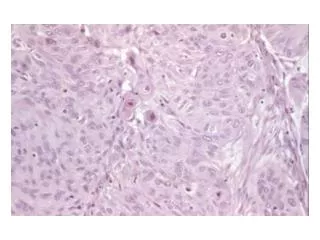
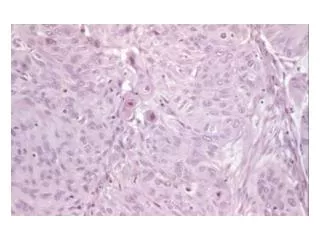
Haemophilus influenzae type b Clinical Features* *prevaccination era
Incidence* of Invasive Hib Disease, 1980-2009 *Rate per 100,000 children <5 years of age
Haemophilus influenzae type b Epidemiology • Reservoir Human Asymptomatic carriers • Transmission Respiratory droplets • Temporal pattern Peaks in Sept-Dec and March-May • Communicability Generally limited but higher in some circumstances
Haemophilus influenzae type b—United States, 2002-2006 • Incidence has fallen more than 99% since prevaccine era • 123 confirmed Hib cases reported (average of 25 cases per year) • Most recent cases in unvaccinated or incompletely vaccinated children
Haemophilus influenzae type b Conjugate Vaccines • Two conjugate vaccines licensed for use in infants as young as 6 weeks of age • Use different carrier proteins • 3 doses of any combination confers protection
Conjugate Hib Vaccines* PRP-T ActHIB, TriHIBit PRP-T Hiberix PRP-OMP PedvaxHIB, Comvax *HbOC (HibTiter) no longer available in the United States
Haemophilus influenzae type b Vaccine Interchangeability • Both conjugate Hib vaccines (except TriHIBit) are interchangeable for primary series and booster dose • 3 dose primary series if more than one brand of vaccine used
Hiberix (PRP-T) • Approved for children 12 months of age and older • Approved only for the last dose of the Hib series
Haemophilus influenzae type b VaccineVaccination Following Invasive Disease • Children younger than 24 months may not develop protective antibody after invasive disease • Vaccinate during convalescence • Complete series for age
Haemophilus influenzae type b VaccineUse in Older Children and Adults • Generally not recommended for persons older than 59 months of age • Consider for high-risk persons: asplenia, immunodeficiency, HIV infection • One pediatric dose of any conjugate vaccine • 3 doses recommended for all persons who have received a hematopoietic stem cell transplant
Haemophilus influenzae type b Vaccine Adverse Reactions • Swelling, redness, or pain in 5%-30% of recipients • Systemic reactions infrequent • Serious adverse reactions rare
Haemophilus influenzae type b Vaccine Contraindications and Precautions • Severe allergic reaction to vaccine component or following a prior dose • Moderate or severe acute illness • Age less than 6 weeks