What is a GSM GPS Module
0 likes | 11 Views
<br>In todayu2019s connected world, tiny electronic devices are doing tremendous work behind the scenes u2014 from tracking vehicles to enabling remote asset monitoring and powering smart IoT systems. At the heart of many such applications lies a powerful yet compact solution known as a GSM GPS module.<br>


What is a GSM GPS Module
E N D
Presentation Transcript
? ? What is a GSM GPS Module? (A Deep Dive into Tracking + Connectivity)|Campus Component In today’s connected world, tiny electronic devices are doing tremendous work behind the scenes — from tracking vehicles to enabling remote asset monitoring and powering smart IoT systems. At the heart of many such applications lies a powerful yet compact solution known as a GSM GPS module. Simply put, a GSM GPS module combines two essential technologies into one integrated unit:
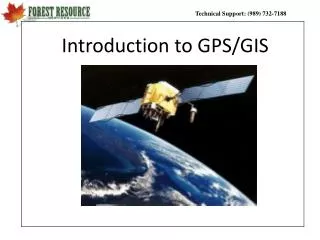
GSM (Global System for Mobile Communications)— for wireless data and message transmission over cellular networks, and GPS (Global Positioning System)— for precise location tracking using satellite signals. When these technologies are merged, devices not only determine where they are but also report that information remotely in real time— making them indispensable for tracking and communication systems that operate beyond Wi-Fi zones. Let’s unpack what makes these combo modules so valuable — and how they’re being used across industries. ? How Does a GSM GPS Module Work? Understanding the mechanics behind these modules helps clarify why they’re used in so many modern electronics projects and commercial systems. ? ? GPS: Where You Are The GPS portion of the module connects to satellites orbiting the Earth, receiving signals that enable it to calculate: Latitude & longitude Speed Time Altitude This positioning happens using global navigation satellite constellations like the U.S. GPS, GLONASS, or BeiDou systems. ? ? GSM: Sending the Information
Once the module figures out its location, the GSM component takes over. It connects to cellular networks using a SIM card, similar to a mobile phone, and can: Send location data via SMS Transmit telemetry data using GPRS Make simple data calls for remote monitoring This combination makes these modules perfect for devices that need remote, real-time tracking without relying on Wi-Fi— especially where Wi-Fi is unavailable or unreliable. ️ ️ Core Components of a GSM GPS Module Most modern GSM GPS modules share a similar internal architecture. These elements work together to deliver both positioning and communication features. ✔️GPS Receiver Chip– Captures and interprets signals from satellites to compute accurate location data. ✔️GSM/GPRS Modem– Connects to cellular networks via a SIM, enabling data communication. ✔️Microcontroller Interface– Bridges between the module and your project (e.g., Arduino, Raspberry Pi). ✔️Antennas– Dedicated antennas for GPS and GSM ensure optimal reception. ✔️Power Supply Circuit– Regulates and supplies stable voltage to the module. These modules are designed for efficiency and modularity, making them easy to embed into larger systems. FlyRobo + others
SIM 808 GSM GPRS GPS Module– Combines GSM/GPRS with GPS in one handy board with antennas included — ideal for vehicle tracking or asset monitoring. HC SIM868 Development Board– Based on the popular SIM868 chip, this board supports quad-band GSM and integrated GNSS. A9G GSM GPRS GPS IOT Module– A lightweight IoT-centric GSM GPS module perfect for wearable or remote sensor applications. 2 IN 1 GSM GPS SIM808 Module– A versatile 2-in-1 SIM808- based board that’s great for both professional and hobbyist projects. Sim808 Development Board– A development-friendly board for early prototyping and experimentation. These modules vary in complexity, frequency support, and communication capabilities — but all share the core GSM + GPS fusion that makes them so useful. ? ? Real-World Uses of GSM GPS Modules The combination of cellular communication and satellite positioning unlocks many practical applications: ? ? Vehicle Tracking & Fleet Management One of the most widespread uses is in vehicle tracking systems. These modules let fleet managers: Monitor vehicle location and speed in real time Prevent theft via alerts Optimize routes and dispatch decisions
In logistics, this improves efficiency, reduces fuel costs, and increases driver safety. Even personal vehicles can be equipped with GSM GPS systems for peace of mind. ? ? Personal Tracking Solutions From smart wearables for children or elderly care to pet trackers, GSM GPS modules deliver crucial real-time positioning information to mobile apps or cloud dashboards — especially in outdoor environments where Wi-Fi isn’t available. ? ? Industrial IoT & Remote Monitoring In industrial environments where machines and equipment operate far from main facilities, GSM GPS modules facilitate autonomous reporting of: Location Status Usage data This empowers predictive maintenance and operational oversight without onsite personnel. ? ? Agriculture & Environmental Monitoring Remote farm sites and environmental sensors can use GSM GPS to log location-tagged data and transmit it to central servers, helping with precision agriculture, livestock tracking, and resource management. ? ? Why GSM GPS Modules Are Still Relevant Even as cellular networks evolve, GSM GPS modules remain popular for several reasons:
✔️Wide Cellular Coverage– GSM networks exist almost everywhere, even in remote locations. ✔️Low-Cost Hardware– Affordable modules make them attractive for both commercial and hobbyist deployments. ✔️Simple Integration– Standard interfaces and broad documentation make them developer-friendly. ✔️Reliable Tracking– Combined GPS + GSM ensures both accurate positioning and remote reporting. That said, it’s worth noting that traditional 2G GSM networks are being phased out in some regions, so newer GSM GPS solutions often include support for 4G, LTE-M, or NB-IoT bands. ? Choosing the Right GSM GPS Module Here’s a quick checklist to help you pick the best module for your project: Network Support: Quad-band GSM for global coverage. GPS Accuracy: Look for GNSS support (GPS + GLONASS) for enhanced precision. Power Consumption: Essential for battery-powered applications. Interfaces & Compatibility: Check for UART, SPI, or USB connectivity for easy integration. Documentation and Community Support: Especially important for DIY or prototype projects. ? ? Conclusion A GSM GPS module is more than just a tech buzzword —it’s a foundational building block for modern tracking, communication, and IoT applications. These compact, integrated solutions empower devices
to locate themselves and communicate that information back to users or systems anywhere cellular networks reach. Whether you’re building a fleet management system, crafting an IoT prototype, or exploring personal tracking applications, integrating GSM GPS modules offers a flexible, cost-effective way to connect your hardware to the world. Ready to explore GSM GPS modules for your next project? The world of wireless tracking and mobile communication awaits — and Campus Component’s wireless module category is a great place to start browsing.