Understanding Operant Punishment: Key Concepts and Applications in Behavior Modification
This assignment will focus on Chapter 7, delving into operant punishment, covering critical concepts such as response rates, reinforcement, and punishment types. We will discuss the effects of positive and negative punishment, factors affecting punishment efficiency, and alternative approaches to behavior modification, including differential reinforcement strategies. Students will develop insights into the psychological theories underpinning punishment and the real-world implications of these methods. Be prepared to discuss these topics following the midterm on Monday; assignments are due by June 4th.

Understanding Operant Punishment: Key Concepts and Applications in Behavior Modification
E N D
Presentation Transcript
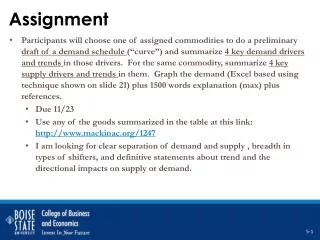
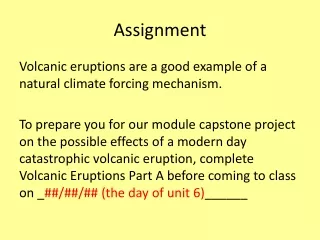
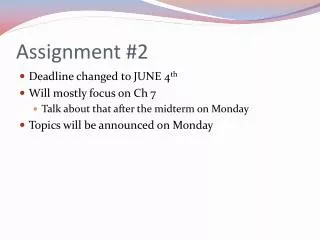
Assignment #2 • Deadline changed to JUNE 4th • Will mostly focus on Ch 7 • Talk about that after the midterm on Monday • Topics will be announced on Monday
Chapter 6 Operant Punishment
Response Rate: Increases Decreases Presented Response Causes Stimulus to Be: Removed Contingencies Positive Reinforcement Positive Punishment Lever press --> Food Lever press --> Shock Negative Reinforcement Negative Punishment Lever press --> Shock off Lever press --> Food removed
Examples • Positive • Aversive stimulus is ADDED • Spanking, shock • Negative • Appetitive stimulus is REMOVED • Time-outs, grounding, no dessert, food taken away • Fines??
Contingency • Correlation between behaviour & outcome • Strong contingency --> better learning • Random contingency --> no learning • Both reinforcement and punishment
Contiguity • Time between behaviour & outcome • Shorter = better learning • More important for punishment • Distraction more likely in punishment than reinforcement • Common violations
Punisher Characteristics • Qualitative differences in punishers • Species & individual differences • Intensity of punisher • Introductory level of punishment • Similar (but opposite) to learned helplessness
Reinforcement of punished behaviour • How rewarding is the behaviour itself? • Related to deprivation levels • Alternative sources of reinforcement • Real applications
Disruption Theory • Incompatible behaviour • Punished behaviour is suppressed • Problems • Intensity of punisher • Contingency
Two-Process Theory (revisited) • Same theory we talked about for escape/avoidance • Classical & Operant • Same problems as before • Proximity to punished stimulus
One-Process Theory (revisited) • Symmetry with reinforcement • Premack principle • Low-probability behaviour punishes high-probability behaviour
Benefits • Short-term effectiveness • Reinforcing • Powerful & Fast • Rapid and substantial reduction in behaviour • Beneficial?
Problems • Application of punishers • Punishment generally not used correctly • Tolerance • Start with strong punisher • Gradually reduce • General reluctance to administer
Possible Consequences of Punishment • Escape • Aggression • At punisher, self, other • Apathy • General suppression of other behaviours • Abuse • Permanent damage • Imitation
Response Prevention • Make it impossible to do punishable behaviour • Subject can circumvent this • Best with younger children
Extinction • Identify reinforcer of behaviour • Withhold reinforcer … extinction of behaviour • Often difficult to identify the reinforcer • Extinction bursts problematic • Not a rapid solution
Differential Reinforcement • Four Types: • DRL: Differential reinforcement of low responses • DRO: Differential reinforcement of zero responses • DRI: Differential reinforcement of incompatible behaviour • DRA: Differential reinforcement of alternative behaviour
DRL • Differential reinforcement of low responses • Only reinforce behaviour when response occurs at low frequency • Good for reducing RATE of behaviour • e.g. pigeon pecking at key light • Reinforce ONLY if at least 2 seconds in between pecks • e.g. too many compliments
DRO • Differential reinforcement of zero responses • or DR of Omission of behaviour • Reinforcement contingent on not performing behaviour at all (in some time period) • Very similar to DRL, but goal is to eliminate behaviour
DRI • Differential reinforcement of incompatible behaviour • Reinforce behaviour incompatible with undesired response • e.g. riding bike vs playing video game
DRA • Differential reinforcement of alternative behaviour • Reinforcer gained from undesired behaviour now only available when some alternative behaviour done • Alternate source of reinforcement • Used more in cases where DRI is not an option
Noncontingent Reinforcement • Provide desired reinforcer on regular basis regardless of what is being done • No correlation between response and outcome • May work because subject gets reinforcer for “free” • Problems if reinforcer comes after some other undesired behaviour (new acquisition) • Chivalrous Charlie example (p. 87 of workbook)
Negative Punishment • Removal of pleasant stimulus • Time-out • Popular in human behaviour modification
Other Techniques for Behavioural Deceleration • Overcorrection • Repetitions of alternate, desired behaviour • Restitution • Positive practice • Technically, punishment • Stimulus satiation
Latent Learning • Motivation • Learning behaviour • Performing behaviour
Average Errors No food day 11 Food reward Days No food reward until day 11 Tolman & Honzig (1930)
Maze blockages Goal Start Box