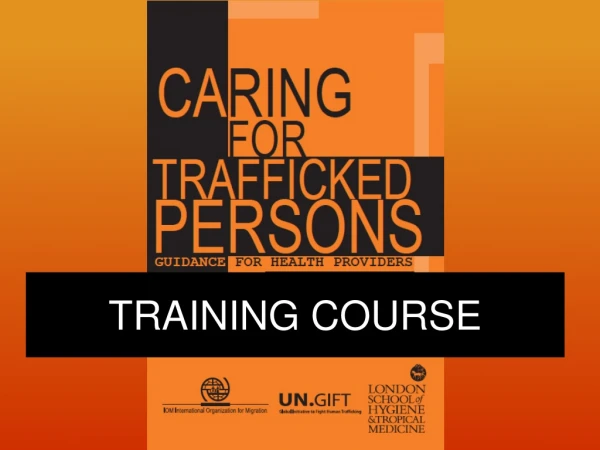
Comprehensive Training for Mass Fatalities Incident Response
This course equips participants with essential knowledge and skills for effectively responding to mass fatalities incidents. Participants will learn to identify key roles and responsibilities, assess local mortuary annexes, and recognize the psychological needs of responders. Additionally, the course emphasizes the importance of stress management debriefings and explores the operational activities required in such tragic situations. Through interactive simulations and discussions on the anticipated reactions of families and communities, attendees will gain a profound understanding of the need for respect, support, and effective coordination in crisis scenarios.

Comprehensive Training for Mass Fatalities Incident Response
E N D
Presentation Transcript
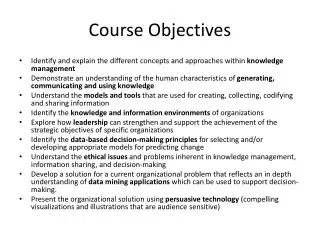
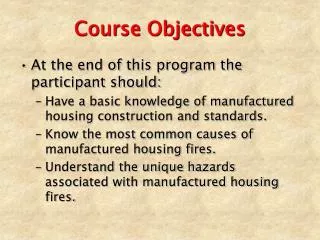
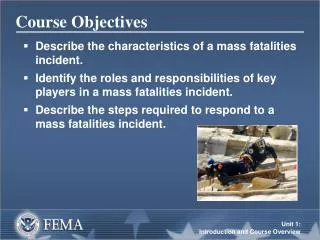
Course Objectives • Describe the characteristics of a mass fatalities incident. • Identify the roles and responsibilities of key players in a mass fatalities incident. • Describe the steps required to respond to a mass fatalities incident.
Course Objectives • Assess your local Mortuary Annex. • Describe critical operational activities. • Explain how the Family Assistance Center supports families and aids in identification. • Identify the requirements to ensure that the psychological needs of responders are addressed.
Course Objectives • Recognize the importance of stress management debriefings for responders at a mass fatalities incident. • Identify the resources that are available at the local, State, and Federal levels. • Apply the principles of ICS in response to a simulated incident.
Unit Objectives • Define a mass fatalities incident. • Describe the characteristics of a mass fatalities incident. • Discuss anticipated reactions to mass fatalities. • Explain the need to show respect for the dead. • Understand the needs of families and friends.
The Mass Fatalities Incident • Sights, sounds, and smells • Characteristics that drive response • Anticipated reactions • The need to show respect • The overriding need to save the living
The Mass Fatalities Incident Click to Play