Download

1 / 9
0 likes | 7 Views
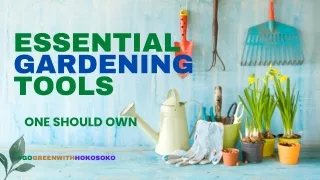
Gardening is one of the most fulfilling activities anyone can pursue. Whether you maintain a small balcony garden, a backyard vegetable patch, or a full-scale landscape, the right tools can transform your experience entirely. Proper gardening tools save time, reduce physical strain, increase efficiency, and help plants grow healthier and stronger. Without them, even simple tasks become unnecessarily difficult.

E N D
Important Essential Tools for Gardening A Complete Guide for Every Gardener Gardening is one of the most fulfilling activities anyone can pursue. Whether you maintain a small balcony garden, a backyard vegetable patch, or a full-scale landscape, the right tools can transform your experience entirely. Proper gardening tools save time, reduce physical strain, increase efficiency, and help plants grow healthier and stronger. Without them, even simple tasks become unnecessarily difficult. This detailed guide covers all important essential tools for gardening, why they matter, how to use them, maintenance tips, and how to choose the right tools depending on your gardening style. Whether you are a beginner or a seasoned gardener, this guide will help you build the perfect toolkit. 1. Why Gardening Tools Matter Gardening might seem like a natural and simple activity, but it involves precision work— digging, pruning, loosening soil, watering, planting, shaping, and maintaining plant health. Using the wrong tools can harm plants, damage soil structure, or cause physical injuries to the gardener. Benefits of Using Proper Gardening Tools Efficiency: Quality tools reduce the time and energy required. Accuracy: Tools allow you to dig, cut, water, and prune precisely. Plant Health: Proper tools prevent root damage, disease spread, and structural harm.
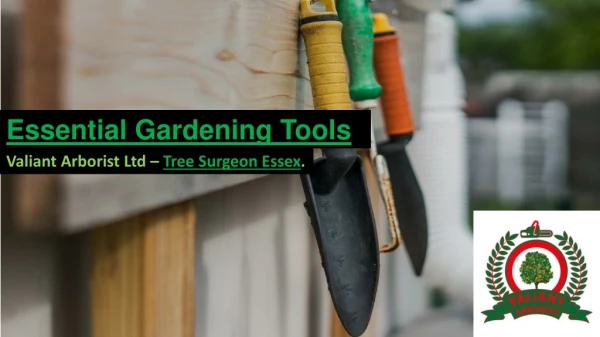
Personal Safety: Tools protect your hands, back, joints, and posture. Better Outcomes: Healthy plants, beautiful landscapes, and a more enjoyable gardening experience. 2. Hand Tools: The Backbone of Gardening Hand tools are the most used instruments in every gardener’s toolkit. These are ideal for planting, weeding, pruning, and everyday maintenance. 2.1 Hand Trowel A hand trowel is one of the most essential gardening tools you’ll ever own. It is used for digging small holes, transplanting seedlings, adding fertilizers, and removing weeds. How to Choose Stainless steel blade Comfortable ergonomic grip Narrow blade for tight spaces Best Uses Planting herbs and flowers Scooping soil Moving seedlings 2.2 Hand Fork A hand fork loosens compact soil and helps aerate the ground around delicate plants. Best Uses Breaking up hard soil Mixing compost Removing shallow-rooted weeds 2.3 Pruning Shears (Secateurs) Pruning shears are used to cut branches, remove dead stems, and shape plants. Types Bypass shears (scissor-like; great for live branches) Anvil shears (for cutting dead branches) Choosing the Right Pair Sharp carbon steel blades Non-slip grip Replaceable parts 2.4 Garden Gloves
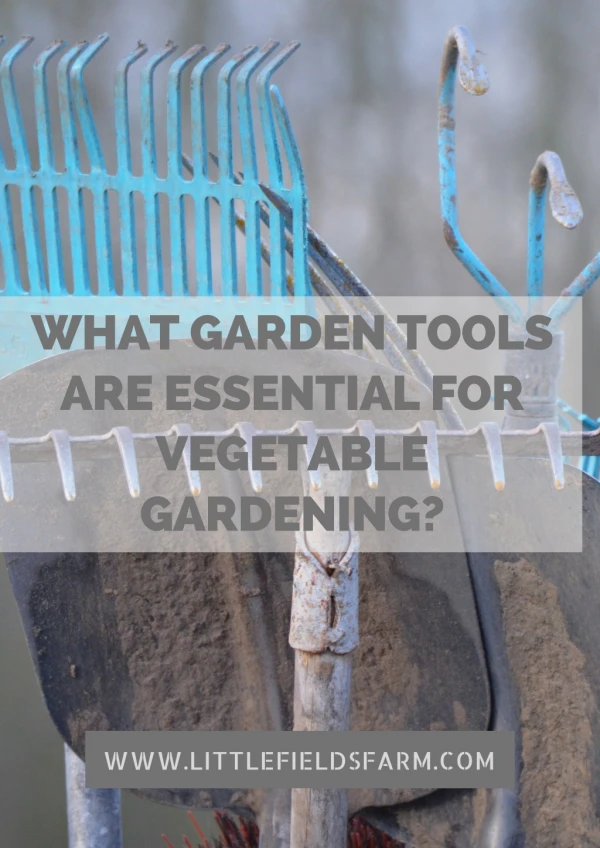
Gloves protect hands from cuts, thorns, insects, and soil contamination. Types Nitrile gloves (best for wet work) Leather gloves (thorn protection) Cotton gloves (light tasks) 3. Digging and Soil Preparation Tools Digging tools are crucial for preparing garden beds, turning soil, planting shrubs, and creating new landscapes. 3.1 Spade The spade is used for digging holes, edging beds, slicing sod, and transplanting plants. What to Look For Square or slightly curved blade Sturdy metal construction Comfortable “D” handle Best Uses Creating neat garden edges Moving soil Planting trees and shrubs 3.2 Shovel A shovel is designed for scooping and moving soil, mulch, gravel, and compost. Choosing a Shovel Rounded blade for digging Lightweight for frequent use Fiberglass handle for durability 3.3 Garden Hoe A garden hoe removes weeds, breaks up soil crust, and helps shape rows for planting. Types Draw hoe – heavy cultivating Scuffle hoe – slicing weeds just below surface Warren hoe – making furrows 3.4 Garden Rake A garden rake helps smooth soil, remove debris, spread mulch, and level surfaces.
Best Uses Leveling soil before planting Removing rocks and roots Preparing garden beds 4. Cutting, Pruning, and Trimming Tools Proper cutting encourages healthy growth and prevents diseases. 4.1 Loppers Loppers are long-handled cutters for thicker branches that shears cannot handle (up to 2 inches). Best Uses Cutting tree branches Pruning shrubs Removing dead wood 4.2 Hedge Shears Used to shape hedges, bushes, and topiary. Features to Look For Long, sharp blades Shock-absorbing handles Lightweight material 4.3 Pruning Saw A pruning saw is for branches that are too thick for loppers. It folds neatly for safety. Best Uses Cutting small trees Shaping dense shrubs Removing dead branches 5. Watering Tools: Keeping Plants Hydrated Water is life for plants. Efficient watering tools save time and avoid water waste. 5.1 Watering Can Good for indoor plants and sensitive seedlings. Choosing the Right Can Long spout for controlled flow
Removable rose (sprinkler head) Lightweight plastic or metal 5.2 Garden Hose A must-have for medium to large gardens. Types Vinyl hose (lightweight) Rubber hose (durable) Expandable hose (space-saving) 5.3 Hose Nozzles & Sprinklers These control the water pressure and spray pattern. Options Jet spray for cleaning Mist spray for delicate plants Shower spray for general watering 5.4 Drip Irrigation System Perfect for saving water and delivering moisture to plant roots. Benefits Prevents evaporation Saves water Automates watering 6. Soil Management and Measuring Tools Gardening requires knowing what your soil needs. 6.1 Soil Testing Kit Measures pH, nitrogen, phosphorus, and potassium levels. Why It’s Essential Improves plant selection Helps correct nutrient deficiencies Supports healthier plant growth 6.2 Moisture Meter Indicates how wet or dry the soil is. Great For Preventing overwatering
Understanding water needs of indoor plants 6.3 Garden Thermometer Monitors soil temperature for seed germination. 7. Planting and Maintenance Tools Beyond digging, you’ll need tools to maintain and beautify your garden. 7.1 Wheelbarrow Used for transporting soil, compost, plants, stones, and tools. Types Traditional single-wheel Two-wheel sturdy version 7.2 Garden Kneeler Protects knees and makes ground-level work easier. Features Cushion pads Converts into a bench Foldable design 7.3 Spray Bottles & Pressure Sprayers Used for: Fertilizers Pesticides Organic neem oil sprays Misting indoor plants 7.4 Plant Supports Include stakes, trellises, tomato cages, and netting. Benefits Prevents plants from falling over Supports climbing plants Improves air circulation 8. Power Tools That Make Gardening Easier For larger gardens or frequent maintenance, power tools save a lot of time. 8.1 Lawn Mower Essential for maintaining grass lawns.
Types Gas-powered Electric Battery-operated Manual reel mower 8.2 String Trimmer (Weed Eater) Cuts grass in areas mowers can’t reach. 8.3 Leaf Blower Quickly removes leaves, debris, and grass clippings. 8.4 Hedge Trimmer Used for large hedges and heavy trimming work. Choosing Cordless for mobility Lightweight Sharp diamond-cut blades 9. Storage, Safety, and Tool Care Tools last longer and work better when maintained properly. 9.1 Tool Storage Proper storage prevents rust and damage. Options Shed Garage Tool wall hangers Garden box Tips Keep tools dry Hang them instead of leaving them on the ground Organize frequently used tools for easy access 9.2 Cleaning and Sharpening Tools must be cleaned after every use. Steps 1.Remove soil with a brush
2.Wash and dry 3.Apply light oil to metal parts 4.Sharpen blades regularly 9.3 Safety Gear Gardeners should wear: Gloves Safety glasses Knee pads Sun protection Closed-toe shoes 10. Choosing the Right Gardening Tools Not all gardeners need the same tools. Consider your environment and gardening goals. 10.1 For Beginners Start with basics: Trowel Hand fork Gloves Pruners Watering can Small rake 10.2 For Balcony Gardeners Space-saving tools: Mini trowel Spray bottles Lightweight watering can Pruning scissors 10.3 For Vegetable Gardeners Must-have tools: Garden hoe Wheelbarrow Drip irrigation Soil tester
10.4 For Large Backyard Gardeners Add powerful tools: Lawn mower Trimmer Leaf blower Pressure sprayer 11. How to Build a Perfect Gardening Toolkit Step 1: Start Small Buy essential tools first. Avoid overwhelming your budget with too many items. Step 2: Choose Quality Over Quantity High-quality tools last years and require fewer replacements. Step 3: Use Tools Properly Follow correct posture and method to avoid injuries. Step 4: Maintain Regularly Clean, oil, and store tools after every use. 12. Final Thoughts Gardening is more enjoyable and productive when you have the right tools in your hands. From simple hand trowels to power equipment, each tool plays a unique role in nurturing a healthy, thriving garden. Whether you are just starting your gardening journey or looking to upgrade your setup, investing in essential gardening tools is the key to efficiency, comfort, and long-term success. With proper tools, you can dig deeper, prune smarter, water efficiently, and enjoy a beautiful garden with less effort and more satisfaction.