Download

1 / 6
0 likes | 7 Views
In this presentation, we will discuss how ERP for solar panel manufacturing industry revolutionizes operations by automating production, optimizing inventory, and improving supply chain management. With the increasing demand for renewable energy, manufacturers have to address issues like resource planning, regulatory compliance, and cost efficiency.<br>This presentation is going to project the major benefits, features, and best practices for effective implementation of ERP for solar manufacturing.<br><br>

E N D
ERP for Solar Panel Manufacturing Industry Optimizing Solar Manufacturing with ERP
Introduction to ERP in Solar Panel Manufacturing ERP for solar panel manufacturing business assists companies in streamlining production, inventory management, and supply chain operations. With the inclusion of real-time data analysis, automation, and cloud-based accessibility, it improves efficiency, cost reduction, and decision-making. The system allows for smooth coordination among departments, enhancing overall productivity and minimizing delays in production. With increasing demand for renewable power, manufacturers are confronted with challenges such as resource planning, regulatory compliance, and scalability of production. ERP solves these problems by automating business processes, cutting operational expenses, and guaranteeing quality. It facilitates improved material tracking, predictive maintenance, and better workforce management, making it crucial for sustainable and profitable solar production.
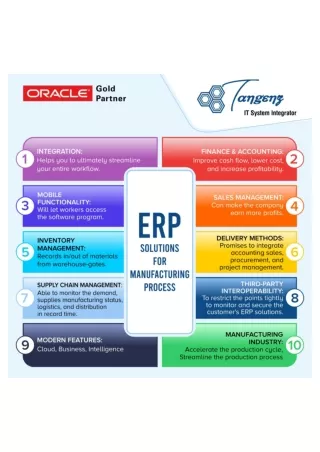
Key Features of ERP for Solar Panel Manufacturing • Production & Process Automation – Automates manufacturing processes and boosts production efficiency • Inventory & Supply Chain Management – Maximizes inventory levels, minimizes waste, and improves procurement tracking • Quality Control & Regulatory Compliance – Maintains compliance with renewable energy industry standards • Real-Time Data & Analytics – Tracks performance with AI-driven business intelligence solutions • Finance & Cost Management – Analyzes expenses, profitability, and ROI in solar panel production • Cloud & Mobile ERP – Facilitates remote access for enhanced business agility
Benefits of Implementing ERP in the Solar Industry • Improved Production Efficiency – Streamlines manufacturing processes, minimizes human error, and boosts productivity. • Reduced Costs – Optimizes resource usage, minimizes wastage, and streamlines financial management. • Real-Time Data & Insights – Offers AI-powered insights for enhanced decision-making and demand forecasting. • Improved Supply Chain Management – Streamlines vendor integration, provides timely procurement, and minimizes stock shortages. • Regulatory Compliance & Quality Assurance – Maintains industry compliance with automated reporting and quality assurance.
Best Practices for ERP Implementation in Solar Industry • Choose an Industry-Specific ERP – Select solar panel ERP software that accommodates renewable energy manufacturing processes • Smooth Integration with IoT & AI – Integrate ERP with AI-powered analytics, predictive maintenance, and IoT-based supply chain monitoring • User Training & Adoption Strategy – Have a systematic training plan to facilitate the smooth adoption of ERP in all departments • Cybersecurity & Data Compliance – Have robust data protection policies to provide safe deployment of ERP • Regular System Optimization – Continuously monitor and enhance ERP features to match solar industry advancements
Conclusion The industry of solar panel manufacturing is transforming at a very fast pace with growing demand for cost-effective, efficient, and sustainable production methods. Having a strong ERP system in place helps manufacturers optimize processes, improve supply chain management, and ensure regulatory compliance. By incorporating AI, IoT, and real-time analytics, ERP supports companies in minimizing operational expenses, maximizing resource efficiency, and boosting overall productivity in the renewable energy industry. As the industry makes the transition towards digitalization and smart manufacturing, cloud-based ERP systems will be pivotal in guaranteeing scalability, adaptability, and data-informed decision-making. Businesses that adopt contemporary ERP systems will enjoy a competitive advantage through increased efficiency, minimized wastage, and effectively addressing global energy needs. The time is ripe to invest in an ERP solution specifically designed for solar panel production to future-proof your company.You can find more about ERP solutions for Solar Industry Here : https://www.lighthouseindia.com/index.html