Download

1 / 3
0 likes | 1 Views
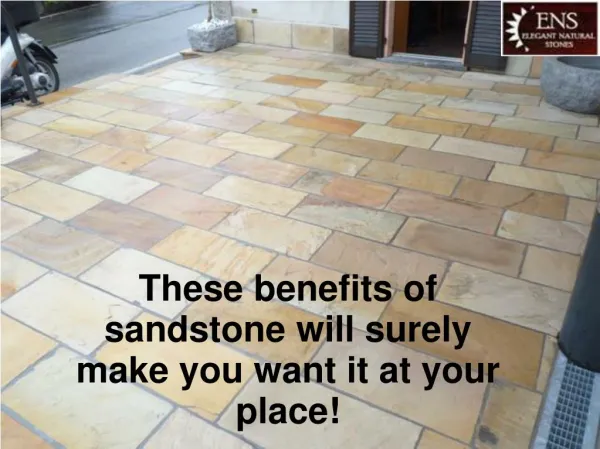
Indian sandstone has long been a favorite in the global stone industry, prized for its natural beauty, durability, and versatility. Sourced primarily from quarries in Rajasthan, this sedimentary rock comes in shades ranging from warm beiges and reds to cool grays, making it ideal for flooring, cladding, countertops, and landscaping. With Indiau2019s sandstone exports booming valued at over $500 million annually buyers worldwide turn to Indian suppliers for cost-effective, high-quality options. However, the market is saturated with exporters, and not all deliver on promises. Choosing the wrong one

E N D
How to Choose the Right Indian Sandstone Exporter Indian sandstone has long been a favorite in the global stone industry, prized for its natural beauty, durability, and versatility. Sourced primarily from quarries in Rajasthan, this sedimentary rock comes in shades ranging from warm beiges and reds to cool grays, making it ideal for flooring, cladding, countertops, and landscaping. With India's sandstone exports booming valued at over $500 million annually buyers worldwide turn to Indian suppliers for cost-effective, high-quality options. However, the market is saturated with exporters, and not all deliver on promises. Choosing the wrong one can result in substandard stone, delays, or even financial losses. This guide provides a step-by-step approach to selecting a reliable Indian sandstone exporter, ensuring you get authentic, durable products that enhance your projects without the hassle. Why Indian Sandstone Stands Out Before diving into selection criteria, it's worth understanding why Indian sandstone is so sought after. Formed over millions of years, it's quarried sustainably and offers excellent compressive strength, making it resistant to weathering and wear. Unlike synthetic alternatives, natural sandstone adds an organic charm to spaces, from modern homes to commercial buildings. Indian exporters benefit from abundant resources and skilled craftsmanship, often blending traditional techniques with modern machinery. Yet, quality varies impure stones can fade, crack, or stain. A trustworthy exporter ensures consistent grading, proper finishing, and compliance with international standards, saving you from costly rework. Key Factors to Evaluate in an Indian Sandstone Exporter Selecting the right exporter involves assessing multiple aspects to guarantee reliability. Here's a detailed breakdown of what to look for: Certifications and Compliance Standards Certifications are the bedrock of trust. Reputable Indian exporters hold ISO 9001 for quality management and may have GOTS or FSC for sustainable sourcing. Look for compliance with export standards from bodies like the Bureau of Indian Standards (BIS) or international norms like ASTM for stone durability. These ensure the sandstone meets specifications for water absorption, porosity, and slip resistance. Exporters dealing with global markets often have CE marking for European compliance or EPA approvals for eco-friendliness. Always verify these credentials on their website or through third-party audits to avoid counterfeit claims. Reputation and Track Record A exporter's reputation can reveal much about their dependability. Search for reviews on platforms like Alibaba, TradeIndia, or StoneContact, focusing on feedback from international buyers. Established firms with 10+ years in the business, such as those exporting to the US, UK, or Middle East, are preferable. Request case studies or references from past clients in your industry whether construction, hospitality, or retail. A strong online presence with a professional website, active social media, and participation in trade fairs like Stone+tec or IndiaMART exhibitions indicates credibility. Avoid newcomers without verifiable histories, as they might lack experience in handling large orders or customs regulations. Product Quality and Customization Options
Quality is paramount in sandstone, where even minor flaws can ruin aesthetics. Reliable exporters offer slabs graded by color consistency, thickness, and finish (polished, honed, or natural cleft). Ask for samples to inspect for veining, impurities, and durability high-quality sandstone should withstand foot traffic and outdoor elements. Customization matters too; inquire about sizes, edge profiles, and treatments like sealing for stain resistance. Advanced exporters use CNC machines for precise cutting and provide lab-tested reports on properties like hardness and abrasion. If you're importing for specific uses, like pool coping or fireplaces, ensure they cater to those needs with expert advice. Pricing and Value for Money Indian sandstone is affordable compared to European or Brazilian options, but prices vary based on quarry location and processing. Expect to pay $10-50 per square foot, depending on grade and volume. Compare quotes from multiple exporters, factoring in freight, insurance, and duties. Transparent pricing without hidden costs is a sign of reliability reputable firms offer clear breakdowns and may provide discounts for bulk purchases. Beware of rock-bottom prices, which often indicate inferior stone or unethical practices like child labor in quarries. Focus on long-term value: a slightly higher cost for certified, durable sandstone pays off through longevity and fewer replacements. Manufacturing and Logistics Capabilities Touring a exporter's facility isn't always feasible, but virtual tours or detailed photos can suffice. Look for modern quarries with eco-friendly practices, like water recycling, and factories equipped with automated saws and polishing lines. Assess their production capacity can they fulfill your order volume without delays? Logistics are crucial for international shipping; reliable exporters partner with freight forwarders for timely delivery and proper packaging to prevent damage. Inquire about lead times (typically 2-4 weeks for standard orders) and their handling of customs documentation, including phytosanitary certificates for stone imports. Customer Service and Support Exceptional service sets apart good exporters from great ones. Test their responsiveness send inquiries and note reply times. A reliable partner offers multilingual support (English is common), technical guidance on installation, and after-sales assistance like replacement policies. They should provide warranties on quality and help with troubleshooting, such as advice on maintenance to prevent discoloration. In a diverse market like India, cultural sensitivity and clear communication are key to smooth transactions. Research and Evaluation Methods Start your search with online directories like IndiaMART, Global Sources, or the Rajasthan Stone Exporters Association. Attend virtual trade shows or webinars to connect with suppliers. Once shortlisted (aim for 3-5), request proposals with detailed specs, pricing, and terms. Conduct due diligence by checking their registration with the Directorate General of Foreign Trade (DGFT) and financial stability through credit reports. If possible, visit India or use inspection services like SGS for third-party verification. Evaluate based on your project's scale small DIY buyers might prioritize ease, while contractors need scalability. Common Pitfalls to Avoid Many buyers stumble into traps. Don't rush decisions based on flashy ads; verify claims independently. Avoid exporters promising unrealistically low prices or quick shipments, as they
might use substandard materials. Language barriers can lead to misunderstandings, so insist on written contracts. Be wary of scams posing as exporters use secure payment methods like letters of credit. Finally, overlook sustainability; choose eco-conscious suppliers to align with global green standards and avoid import restrictions. Real-World Examples and Case Studies Consider a U.S. hotel chain that partnered with a certified Rajasthan exporter for lobby flooring. The sandstone's uniform color and slip resistance enhanced guest experience, with no issues after five years. In contrast, a European importer chose an uncertified supplier for cheaper rates, only to face cracked slabs due to poor quarrying, leading to costly recalls. These cases underscore that investing in reliability upfront saves money long-term. Securing the Perfect Stone Partner Choosing the right Indian sandstone exporter is about balancing quality, cost, and trust in a competitive market. By prioritizing certifications, reputation, and thorough research, you can source beautiful, durable stone that elevates your projects. Remember, the best exporter isn't just a seller it's a collaborator invested in your success. Take the time to evaluate options carefully, and you'll enjoy the timeless appeal of Indian sandstone without regrets. Ready to start? Compile your requirements and reach out to potential exporters today for a seamless experience.