Download
1 / 6
80 likes | 274 Views
Discover how to effectively store food in your kitchen by categorizing it into four main groups: dry, semi-perishable, perishable, and frozen foods. Learn the best practices for storing each type, from avoiding dampness in dry foods to the importance of keeping perishable items like eggs and meat in the fridge. Understand where to place foods in your refrigerator for optimal storage and get tips on properly defrosting frozen items. Maximize freshness and minimize waste with these crucial food storage tips.

E N D
SEN My Changing World Food Storage
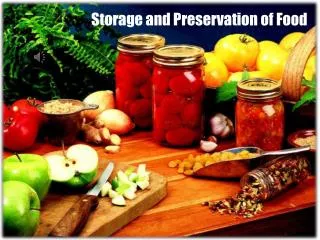
Food Storage Food can be divided into four main groups: dry foods – flour, sugar, pasta, rice semi-perishable foods – potatoes, apples, oranges, bread perishable foods – foods that go off easily and should be kept in the fridge frozen foods – foods to be kept for a longer time in the freezer.
Dry Foods Store dry foods in a dry cupboard. Any dampness would damage the food – it would make the sugar stick together! Always use the tinned food, pasta or rice that you already have in the cupboard first – not the new packet you have just bought. This should stop out-of-date food gathering at the back of the cupboard!
Semi-Perishable Food These foods do not need to go in the fridge. They include bread, which we often store in a bread bin. We can store root vegetables and most fruits in a cool cupboard or rack.
Perishable Foods(foods that go off easily) These foods should be kept in the fridge: • eggs, cheese, cooked ham or beef, milk, yoghurt, raw meat, chicken and fish. Remember that: • raw food should go on the bottom shelves; and • cooked foods should go on the upper shelves.
Frozen Foods • These should be kept in the freezer at -18ºC. • All frozen foods need to be defrosted safely. • Never refreeze frozen foods.