Understanding Hazard Classification: Importance and Impacts
30 likes | 174 Views
Hazard classification plays a crucial role in risk assessment and understanding the effects on people and communities. By categorizing hazards, we can better evaluate their potential impacts, aiding disaster preparedness and response. Natural hazards, for instance, can be assessed using specific criteria, such as property damage thresholds and casualties. Classifying hazards not only helps in predicting their occurrences but also offers insights into the long-term effects on social services and community resilience. Understanding these risks is essential for implementing effective control measures and enhancing public safety.


Understanding Hazard Classification: Importance and Impacts
E N D
Presentation Transcript
Classification of Hazards Why classify hazards?Classifying a hazard means that when the risks can be assessed properly. It also means we canunderstand how the hazard affects people. Finally, and most importantly, classifying a hazard aids our understanding of the processes.
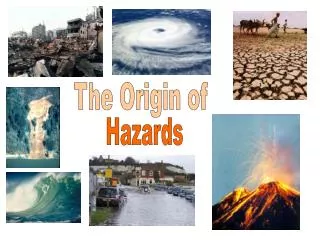
In the case of natural hazards, they can be defined using the following statistics:- Property damage – must affect more than 20 families or losses must exceed $50,000.- Death of more than 10 people and/or more than 50 serious injuries.- Disruption to social services: communication failure, damage to infrastructure, severestress on police, fire and hospital services.
Volcano Drought Ice/Snow Geological Anxiety Climatic Blame Earthquake Loss of community Hurricanes Storms Psycho-social Occurrence Deaths Control Human input Effects Damage Classifying Hazards. Prediction Long/Short term Avalanche Human impact Bio-medical Geomorphological/land instability hazards Longer term Terrorism Landslide Cold War Hunger Arson Immediate Death Rockfall