Download

1 / 3
0 likes | 3 Views
<br><br><br>IntroductionSelling land is not just a transaction; it is an emotional journey that encompasses various stages and feelings

E N D
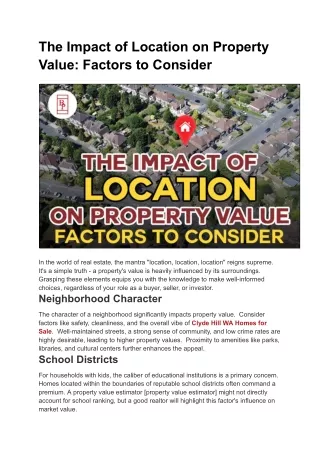
Introduction When it comes to real estate, the age-old adage "location, location, location" holds particularly true for land sale transactions. The geographic setting of a parcel of land can significantly influence its market value, desirability, and the potential buyer pool. In this article, we will explore the multifaceted impact of location on the process of selling land to interested buyers. We will also discuss various strategies for sellers aiming to maximize their land's appeal based on its location. The Importance of Location The term "location" encompasses numerous factors that can affect land sales. Understanding these elements is crucial for any seller looking to enter the market. Geographic Features The natural geography of an area plays a crucial role in determining land value. Basic characteristics include: Topography: The shape and design of the land can influence its usability and appeal. Flat land is frequently more desirable than hilly or uneven parcels. Water Sources: Proximity to rivers, lakes, or oceans greatly enhances a land's attractiveness, especially for recreational purposes. Climate: Different climates affect land use and desirability. Areas with mild climates can attract more buyers. Accessibility and Infrastructure Land located near major roads, highways, airports, and public transportation is often more valuable. Effective infrastructure invites both Additional hints residential and commercial interest. Crucial aspects include: Proximity to Urban Areas: Land near cities or towns typically commands a higher price due to increased demand for housing and business space. Existing Utilities: Availability of water, electricity, and sewage systems can greatly enhance a land’s value and attractiveness to buyers. Ease of Access: Direct access to highways or well-maintained roads increases visibility and makes the land more appealing. Types of Land and Buyer Interests Different buyers often have unique requirements based on the type of land they are interested in buying. Understanding these categories can help sellers tailor their approach effectively. Residential Land Residential land buyers typically look for plots to build homes. Their interests revolve around: Neighborhood Quality: Buyers often consider the surrounding community, schools, and amenities. Proximity to parks and leisure facilities can be a deciding factor. Lot Size: The size of the parcel can dictate whether it suits the buyer’s needs for single-family homes or multifamily developments. Agricultural Land These buyers are generally interested in plots suitable for farming or ranching. Key factors include: Soil Quality: Soil fertility is critical for profitable farming practices, making location analysis vital. Water Access: Buyers tend to seek land with reliable water sources for irrigation. Commercial Land For commercial purposes, factors affecting desirability include: Traffic Patterns: Locations with high foot and vehicle traffic are often attractive for businesses. Zoning Regulations: Compliance with local zoning can either enhance or inhibit a property’s appeal for commercial
development. Market Trends and the Role of Location The real estate market is dynamic, and trends can shift, impacting land desirability based on location. Sellers must stay informed about these aspects: Economic Development When a city or region experiences growth—more jobs, businesses relocating, or infrastructure development—land value in that location often increases. Sellers can capitalize on these developments by: Monitoring Local News: Keep abreast of economic initiatives and growth plans to position land sales appropriately. Engaging with Local Chambers of Commerce: Networking with local businesses can offer insights into upcoming developments and buyer interest. Changing Buyer Preferences Trends toward remote work are leading many buyers to consider rural and suburban areas. This shift can modify land sales as: Increased Demand in Non-Urban Areas: Sellers with properties in historically less-desirable locations should market the benefits of tranquility and space. Technology Impacts: Buyers look for properties with high-speed internet access, regardless of location. Strategies for Selling Land Based on Location Selling land requires strategic planning, especially when considering the implications of location. Here are key strategies sellers can employ: Highlight the Location's Advantages When marketing a plot, it's essential to accentuate its unique benefits based on location: Tourism Appeal: If the land is near attractions, highlight that aspect. Community Features: Discuss local schools, parks, and recreational areas to appeal to buyers. Utilize Professional Assistance Consider hiring a real estate agent who specializes in land sales. Their local knowledge and networking can provide a significant advantage:
Market Analysis: Agents can conduct a current market analysis based on local trends to set a competitive price. Negotiation Skills: Experienced agents can negotiate effectively, maximizing the value of the land. Leverage Technology for Marketing Utilizing technology is crucial for reaching potential buyers: Virtual Tours: Offering 3D tours can help buyers visualize the land without needing to visit physically. SEO- Optimized Listings: Ensure that property listings are well-optimized for search engines to attract a wider audience. Conclusion In summary, the impact of location on selling land cannot be overstated. Key geographic, infrastructural, and economic factors influence land desirability and buyer interest. Sellers should understand their specific land’s location characteristics and leverage those benefits in their sales strategy. By tailoring their approach according to market trends and actively marketing the unique aspects of their land, sellers can attract interested buyers more effectively. Whether it’s through analytical insights, professional help, or embracing technology, the right strategies can make all the difference in navigating the complexities of selling land in today’s dynamic market.