Ensuring Child Safety: Guidelines for Churches and Workers
100 likes | 223 Views
This comprehensive guide provides essential principles and policies for safeguarding the well-being of children within church environments. Recognizing the unfortunate prevalence of child abuse, the document outlines proactive measures to prevent harm, protect children, and ensure a secure environment. It emphasizes the importance of training, supervision, and clear reporting procedures. Additionally, it addresses risk management elements, including worker screening, background checks, and established protocols for incidents and emergencies. Together, these guidelines foster parental confidence and strengthen the church's commitment to child safety.


Ensuring Child Safety: Guidelines for Churches and Workers
E N D
Presentation Transcript
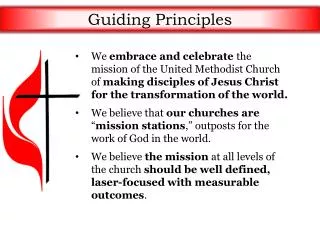
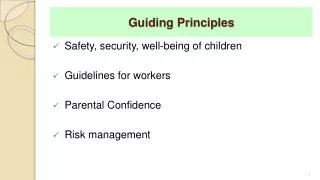
Guiding Principles • Safety, security, well-being of children • Guidelines for workers • Parental Confidence • Risk management
Church Purpose Provide safe and secure environment that includes formal, written policy: • Prevent abuse or harm • Protect children
It Can Happen “Child abuse is a fact of today’s society. It can happen at any time and in any church, large or small. The emotional trauma and personal tragedies related to this subject can be extreme and the risk of this occurring should not be ignored.”
Risks • Harm to children and families • Harm to church and members • Harm to Kingdom work • Harm to our witness • Liability
Risk Management: Elements • Policy • Training • Supervision • Records
Steps to Protect Children - I • Copy of statutory definitions of “child abuse” and copy of policy to each worker and leader. • “Two adult” rule • Supervision by leader ship • Worker applications – require and screen • Check worker references
Steps to Protect Children - II • Criminal background checks • Interview workers personally • Identification system • Drop-off and pick-up procedures • Keep church leaders informed
Reporting Child Abuse • Be familiar with state laws and process – “reason to believe” • Be observant • Establish procedure • Keep records
INCIDENTS & EMERGENCIES Incidents (Injuries) Training (first aid and CPR) Reports and procedure Emergencies (fire or natural) Training Procedures
Quo Nunc? • Develop list of policies needed • Review and evaluate existing policies • Set up the training • Inspect and evaluate facilities • Worker information, screening, and background checks



![[GP1] Guiding Principles](https://cdn1.slideserve.com/1689330/slide1-dt.jpg)