Download

1 / 6

E N D
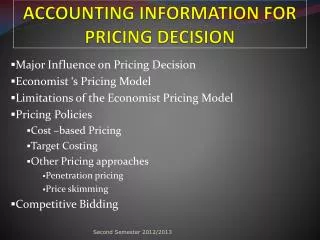
Using Accounting in Manufacturing to Improve Product Pricing Strategies Setting the right price in manufacturing is not always easy. Companies must balance production costs, competition, and profit goals. This is where good accounting becomes a powerful tool. By tracking the cost of materials, labor, and factory operations, manufacturers can understand their true expenses and set prices that make sense. Manufacturing costs are not always obvious. Raw materials, machine maintenance, wages, and factory utilities all add to the total cost of making a product. Accounting brings all these numbers together and helps businesses price their products correctly while staying profitable. Understanding Accounting in the Manufacturing Industry Understanding Accounting in the Manufacturing Industry Manufacturing accounting tracks every cost related to production. It gives a clear picture of where money is spent and how each cost affects pricing. Key Components Key Components • Direct Materials: Costs of raw materials used in production. Tracking these closely helps reduce waste and control spending. • Direct Labor: Wages paid to workers who make the products. Accounting helps measure whether labor is used efficiently. • Manufacturing Overheads: Factory expenses—rent, utilities, repairs, and maintenance. Monitoring overhead ensures product prices are fair and accurate. • Inventory Accounting: Keeps track of raw materials, work in progress, and finished goods. Proper inventory management avoids extra expenses and helps protect profit.
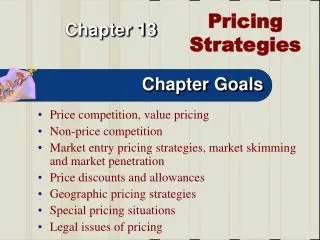
• Cost of Goods Manufactured: Shows the total cost of producing goods in a period. This helps the business understand true production spending. How Accounting Helps Improve Pricing How Accounting Helps Improve Pricing Cost Cost- -Based Pricing Based Pricing Accounting removes guesswork from pricing. It shows actual costs so businesses can set prices that cover expenses and make a profit. Product Product- -Level Insights Level Insights Some products cost more than others to make. Accounting shows which items are expensive and may need a price adjustment or efficiency improvement. Pricing Approaches Supported by Accounting Pricing Approaches Supported by Accounting Direct Costing Direct Costing — — Minimum Price Strategy Minimum Price Strategy Direct costing includes only materials and labor. It helps identify the lowest price you can charge without losing money. Benefits: Prevents selling below cost Highlights products that need cost reduction Useful for short-term offers and seasonal discounts Absorption Costing Absorption Costing — — Full Cost Coverage Full Cost Coverage Absorption costing includes all production costs: materials, labor, and overhead. Benefits: Helps avoid long-term losses Supports stable pricing Encourages planning based on total expenses
How Accounting Supports Pricing Decisions How Accounting Supports Pricing Decisions Cost Analysis Cost Analysis Shows where money is spent and reveals areas where waste can be cut. Break Break- -Even Analysis Even Analysis Calculates the minimum sales needed to cover costs. Helps plan production and pricing targets. Profit Margin Review Profit Margin Review Shows which products bring the highest profit and which need improvement. Inventory Valuation Inventory Valuation Ensures products are priced based on actual cost, not estimates. Cost Trends Cost Trends Identifies increases in material or labor costs, helping companies adjust prices before profits drop.
Using Accounting Software in Manufacturing Using Accounting Software in Manufacturing Modern accounting software makes cost tracking easier and faster. Benefits: Real-time cost tracking Fewer human errors Quick access to detailed reports Clear connection between production, inventory, and labor Practical Steps to Improve Pricing Using Accounting Practical Steps to Improve Pricing Using Accounting Record all costs carefully—materials, labor, and overhead Review costs regularly to stay aligned with market changes Set prices for each product separately based on its actual cost Compare your prices with competitors, but base your decisions on your own cost data Adjust prices when costs rise or fall Experiment with pricing to see how changes affect profit Example Scenario Example Scenario A company produces basic and premium chairs. Accounting shows that the premium chairs require more labor and materials. Pricing both versions the same would create a loss on premium chairs. By using accounting data, the company can set different prices that reflect real costs and protect profit. Challenges When Using Accounting for Pricing Challenges When Using Accounting for Pricing Inaccurate records can lead to wrong pricing Allocating overhead can be tricky and may distort product costs Market expectations may differ from cost-based pricing Frequent cost changes require quick pricing adjustments Advanced Pricing Techniques Advanced Pricing Techniques Activity Activity- -Based Costing Based Costing Allocates costs based on actual activities performed, giving a more accurate cost per product.
Cost Cost– –Sales Analysis Sales Analysis Shows how cost, price, and sales interact so companies can choose optimal pricing. Contribution Margin Review Contribution Margin Review Reveals which products contribute most to fixed costs, helping focus on profitable items. Forecasting Future Costs Forecasting Future Costs Estimates future changes in materials, labor, and demand to keep pricing realistic and profitable. The Human Side of Pricing The Human Side of Pricing Market judgment is needed alongside cost data Flexibility is important because markets change Customer perceptions impact pricing success Sales team insights help shape practical price decisions Competitor behavior also influences pricing choices Advanced Cost Control to Strengthen Pricing Advanced Cost Control to Strengthen Pricing Cost Segmentation Cost Segmentation Breaks costs into fixed, variable, and semi-variable. Benefits: Shows where cost savings are possible Helps set accurate prices Improves cost distribution across product lines Standard Costing Standard Costing Sets expected costs and compares them with actual costs. Advantages: Quickly shows cost overruns Makes pricing simpler Helps track production efficiency
Pricing Across Pricing Across the Product Lifecycle the Product Lifecycle Products move through stages: launch, growth, maturity, and decline. Accounting helps set appropriate prices for each stage. Benefits: Higher early prices to cover initial costs Lower prices during growth to increase volume Stable prices during maturity Controlled price reductions during decline Blending Cost Data With Market Data Blending Cost Data With Market Data Combining Accounting and Market Research Combining Accounting and Market Research Cost figures show what a product costs. Market research shows what customers are willing to pay. Using both leads to better pricing. Competitor Benchmarking Competitor Benchmarking Checking competitor prices and comparing cost structures helps you stay competitive without losing profit. Final Thoughts Final Thoughts Accounting plays a major role in setting strong, profitable pricing strategies in manufacturing. By tracking materials, labor, and overhead with accuracy, companies get a clear view of true production costs. This prevents underpricing, protects profit, and supports smarter decision- making. At Meru Accounting, we help manufacturers keep cost records accurate and easy to understand. Our services turn raw cost data into practical pricing insights—supporting efficiency, productivity, and long-term growth.











![[EbooK Epub] The Book on Advanced Tax Strategies: Cracking the Code for Savvy Real Estate Investors Full](https://cdn5.slideserve.com/11103540/slide1-dt.jpg)

![PDF [DOWNLOAD] Princeton Review AP World History: Modern Premium Prep, 2022: 6 Practice Tests Complete Content Review](https://cdn6.slideserve.com/11740395/slide1-dt.jpg)