Download
1 / 15
0 likes | 0 Views
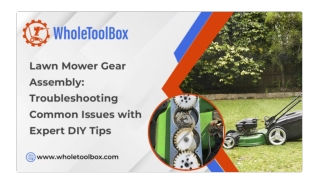
The lawn mower gear assembly plays a critical role in transferring power from the engine to the wheels and cutting system. When gear components wear out or malfunction, performance issues such as slipping, grinding noises, or loss of drive can occur. This article helps homeowners identify common lawn mower gear assembly problems and understand their root causes. It also provides expert DIY tips for inspecting, repairing, and maintaining gears safely and effectively. With the right guidance, tools, and preventive care, you can make your mower last longer, improve performance.

E N D
Introduction Lawn mower gear assembly is a crucial part of your mowerʼs drivetrain that transfers power from the engine to the wheels, allowing smooth movement and control. Over time, gears can wear out, become misaligned, or suffer from poor lubrication, causing issues like grinding noises, loss of drive, or jerky operation. Recognizing these problems early helps avoid costly repairs and mower downtime. In this guide, you'll discover how to diagnose and fix common lawn mower gear assembly issues using expert DIY techniques. Weʼll cover how to identify warning signs, perform inspections, and carry out simple repairs to keep your mower running efficiently. These practical steps help you confidently maintain and fix your gear assembly, saving time and money.
What Is a Lawn Mower Gear Assembly and Why It Matters The lawn mower gear assembly is a vital part of the gear-driven lawn mower transmission system, transferring power from the engine to the wheels or blades. This enables smooth movement and efficient operation, especially in self-propelled and riding mowers. Key Functions of the Lawn Mower Gear Assembly: Power Transmission Transfers engine power through the lawn mowing gear to the wheels or blades, enabling movement and cutting. Speed Regulation Helps control the mowerʼs speed by engaging different gear ratios. Torque Management Provides the necessary torque for navigating different terrains and grass densities. Smooth Operation Ensures consistent and smooth mower movement, reducing strain on the engine.
Why It Matters 1 Efficiency A well-maintained gear assembly improves fuel efficiency and mowing performance. 2 Longevity Proper functioning extends the lifespan of your lawnmower by preventing excessive wear. 3 Cost Savings Early detection and repair of gear issues help avoid expensive replacements. 4 User Safety Avoids sudden jerks or stops that could result in mishaps when cutting the lawn. Understanding your lawn mower gear assemblyʼs role within the lawn mower transmission system is the first step toward keeping your mower and other lawn care tools in peak condition.
Warning Signs of Lawn Mower Gear Assembly Trouble You Shouldn't Ignore Catching gear assembly problems early can save you hundreds of dollars in repairs and prevent complete mower failure. Your machine will communicate issues through various symptoms that are easy to recognize once you know what to look for. Unusual Grinding or Clicking Noises Metal-on-metal sounds during operation indicate worn gears or insufficient lubrication. These noises typically worsen under load and shouldn't be dismissed as normal operation. Difficulty Engaging Gears If your mower struggles to shift or engage drive modes, the gear assembly may have worn teeth or damaged linkage. This problem often starts intermittently before becoming constant. Reduced Power or Sluggish Movement When your mower loses power to the wheels or blades despite a healthy engine, the gear assembly may be slipping or damaged, preventing efficient power transfer.
Most Common Lawn Mower Gear Assembly Issues and What Causes Them Lawn mower gear assemblies are prone to a handful of common issues that can affect your mowerʼs performance. Before they require expensive repairs, you may diagnose and successfully treat these issues by being aware of their causes. Common Issues: Worn or Stripped Gear Over time, gear teeth can wear down or strip completely due to constant friction, poor lubrication, or debris getting trapped inside. This causes slipping and loss of drive. Gear Misalignment Improper installation, impacts, or worn bearings can cause gears to misalign, leading to grinding noises and uneven movement. Lubrication Failure Lack of proper grease or oil causes increased friction and heat, accelerating wear and potential gear seizure. By identifying these issues early, you can apply the right fixes and keep your mower operating smoothly for longer.
Must-Have Tools for DIY Lawn Mower Gear Assembly Troubleshooting Equipping yourself with the right tools makes gear assembly troubleshooting safer, more efficient, and more effective. You don't need a professional workshop, but these essentials will cover most repair scenarios. Socket and Wrench Set Both metric and standard sizes for removing covers, bolts, and housing components Screwdriver Set Flathead and Phillips varieties for accessing internal components and electrical connections Grease Gun and Lubricants For applying proper lubrication to gears, bearings, and moving parts Pliers and Vice Grips Essential for removing clips and pins and holding components during disassembly Multimeter For testing electrical components and safety switches that interact with the gear system Safety Equipment Gloves, safety glasses, and protective clothing to prevent injury during repairs
DIY Troubleshooting Process: How to Identify Lawn Mower Gear Assembly Problems When it comes to lawnmower troubleshooting, identifying gear assembly problems early is crucial. A careful inspection of the gear assembly helps pinpoint issues before they lead to bigger repairs. Visual Inspection For safety, turn off the mower and unplug the spark plug. Using the proper instruments, remove the gear housing cover. Listen for Unusual Noises Inspect gears closely for cracks, chips, or worn teeth. Check for dirt, debris, rust, or signs of corrosion inside the housing. Start the mower in a safe, open area. Engage the self-propel or drive system slowly. Take note of any odd wear trends or broken parts. Listen carefully for grinding, clicking, or clunking sounds. Repeat at different speeds to identify when noises occur. Observe Movement Record or note the noise type and timing for reference. Engage the mowerʼs self-propelled system on a flat surface. Watch for jerky, uneven, or inconsistent wheel movement. Note any hesitation or slipping during acceleration. Test both forward and reverse motion if applicable. Check out this guide on lawn mower clutch replacement: diy vs. professional cost breakdown to decide the best option for your budget and skills.
Expert DIY Fixes for Common Lawn Mower Gear Assembly Problems Fixing your gear assembly yourself can save time and money when done carefully. Using the proper tools and methods, many common lawn mower issues can be easily fixed at home. Gear Teeth Stripping The teeth on the gears wear down or break, causing slippage and loss of drive. Symptoms: Mower wheels spin but donʼt move forward Grinding noises when engaging the drive Jerky or uneven mower movement Possible Causes: Lack of lubrication Debris or dirt caught in the gears Overloading the mower on thick grass or slopes DIY Fixes: Replace Worn Gears: Remove damaged gears and install compatible new ones. Clean Gear Assembly: Thoroughly clean housing to remove debris. Proper Lubrication: Apply high-quality grease to reduce wear. Check Mower Usage: Avoid overloading the mower or using it on unsuitable terrain. Inspect Drive Belt: Ensure belt tension is correct to prevent excessive gear strain.
Gear Misalignment Gears are not properly aligned, causing inefficient power transfer and noise. Symptoms: Grinding or clicking sounds during operation Uneven or jerky wheel movement Excessive vibration felt during use Possible Causes: Improper installation after maintenance Impact or rough handling of the mower Worn or loose mounting bolts DIY Fixes: Adjust Gear Position: Loosen housing, realign gears so teeth mesh properly, then retighten bolts. Tighten Mounting Bolts: Ensure all screws and bolts are secure. Inspect for Damage: Replace any warped or bent gears causing misalignment. Use a Torque Wrench: Avoid overtightening or undertightening bolts by following the manufacturer's instructions. Check Gear Shaft Bearings: Replace if worn, as loose bearings can cause misalignment.
Lubrication Failure Gears dry out, increasing friction and accelerating wear or seizure. Symptoms: Loud grinding or squealing noises Overheating gear housing Sudden loss of mower drive Possible Causes: Old or contaminated grease Leaking seals or gaskets Lack of routine maintenance DIY Fixes: Clean Old Grease: Remove all old lubricant with a degreaser. Apply Fresh Grease: Use manufacturer-recommended lubricant. Replace Seals: Install new gaskets or seals to prevent leaks. Regular Maintenance Schedule: Check and lubricate gears periodically. Inspect for Contaminants: Keep gear housing clean from dirt and water that degrade lubricant.
Gear Housing Cracks Cracks in the housing allow dirt and moisture in, damaging gears. Symptoms: Visible cracks or damage on the housing Gear noise increases over time Premature gear wear or failure Possible Causes: Impact damage from hitting obstacles Material fatigue or manufacturing defects Corrosion from moisture exposure DIY Fixes: Inspect and Clean Housing: Remove dirt and moisture immediately. Apply Epoxy Repair: Seal small cracks with strong epoxy or plastic weld. Replace Housing: For severe damage, install a new housing unit. Use Protective Covers: Add guards or shields to prevent impact damage. Store the Mower Properly: To prevent corrosion, keep the mower in a dry location. Check out this guide on how to diagnose mower muffler problems: expert troubleshooting tips to quickly identify issues and keep your mower running smoothly.
Pro Maintenance Tips to Avoid Lawn Mower Gear Assembly Failures Prevention is exponentially easier and cheaper than repair. Implementing these professional maintenance practices dramatically extends gear assembly life and prevents unexpected breakdowns during mowing season. 1 Before Each Use Quick visual inspection for leaks, loose bolts, or unusual wear. Listen for abnormal sounds during startup. 2 Keep the Gear Housing Clean Remove debris and grass clippings from the housing during maintenance. To keep impurities out, make sure gaskets and seals are in place. 3 Monitor for Unusual Noises Listen for grinding or clicking sounds during operation. To prevent expensive lawn mower gearbox repairs, look into any 4 Annual Service noises as soon as possible. Complete disassembly, cleaning, and inspection. Replace all lubricants. Consider preemptive replacement of wear items like belts and seals. 5 Check Drive Belt Condition Inspect belts regularly for cracks or wear. Replace damaged belts promptly to avoid stress on gears. Following these simple maintenance steps will help you avoid costly gear issues and ensure your mower performs at its best year-round.
Conclusion Keeping your lawnmower gear assembly in good shape is essential for smooth and efficient mowing. By identifying common problems early and applying expert DIY fixes, you can save both time and money. Understanding how the gear assembly works and what causes typical issues empowers you to take control of your mowerʼs maintenance. The keys to avoiding expensive failures include quick lawnmower gearbox repairs, appropriate lubrication, and routine inspections. With the right care, your lawn mower will perform reliably year after year. Remember, a well-maintained gear assembly means less downtime and a healthier lawn. Looking for high-performance parts to fix your lawn mower gear assembly? WholeToolBox offers top-quality transmission assemblies, drive belts, and bearings from leading brands like Briggs & Stratton, Toro, and Husqvarna. Find all your lawnmower parts online for expert DIY repairs all in one place!
FAQs Why is my lawn mower gear assembly not working? 1 It could be due to a worn-out gear, a jammed mechanism, or insufficient lubrication. Start by checking the gear teeth for damage and cleaning any debris that might be blocking movement. How do I adjust the lawn mowerʼs gear assembly? 2 Adjusting the gear assembly typically involves checking the tension of the drive belt and ensuring that the gears are properly aligned. Follow your mower's manual for specific instructions. How do I lubricate my lawn mower gear assembly? 3 Use a high-quality grease or oil to lubricate the gears. Apply a thin layer on the moving parts, ensuring you donʼt over-lubricate, which could attract dirt and debris.