Laparoscopy Camera
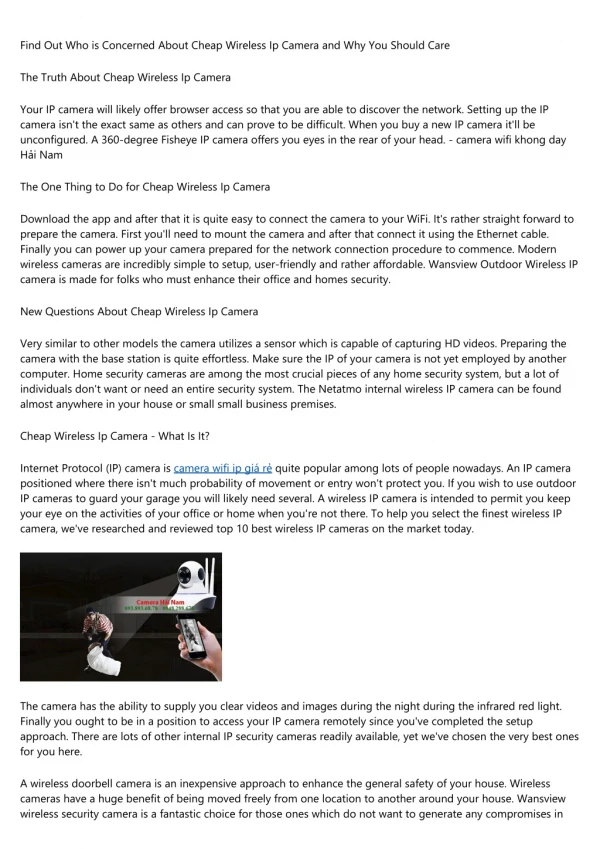
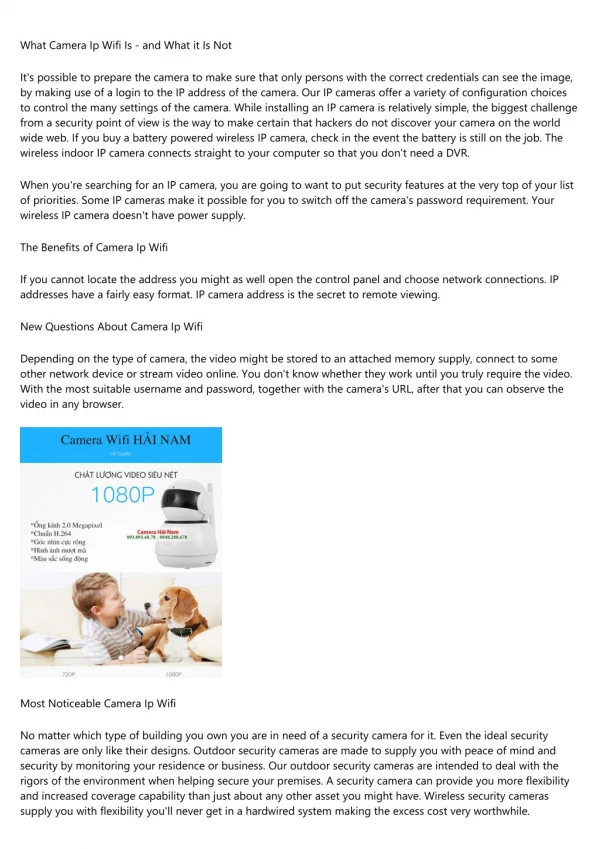
The Laparoscopy Camera Deluxe Model 4K (USB Endo-cam 34) by Vigyan Yog delivers cutting-edge imaging for diagnostic and therapeutic laparoscopic procedures. Designed to attach to rigid laparoscopes, this laparoscopy camera captures crisp 8MP video and 50MP still images, far surpassing typical 0.5u20131MP cameras on the market. With HDMI and USB outputs, a zoom adapter, on-screen display, and remote control, it supports seamless operation and recording across multiple platforms. Compatible with most telescopes and endoscopes, this reusable camera system is an affordable, feature-rich solution.

Laparoscopy Camera
E N D
Presentation Transcript
Laparoscopy Camera – A Complete Guide to Features, Uses, and Benefits Modern medical technology has advanced rapidly, making surgical procedures safer, faster, and far more accurate than ever before. One of the greatest innovations in minimally invasive surgery is the Laparoscopy Camera, a device that allows surgeons to view the internal organs clearly without making large incisions. As the demand for minimally invasive procedures continues to rise across the world, the importance of a high-quality system has become more significant than ever. Understanding how this technology works can help hospitals, clinics, and medical professionals choose the right solution for their surgical needs. What Is a Laparoscopy Camera? A Laparoscopy Camera is a compact, high-resolution imaging device used in laparoscopic surgeries to provide a clear visualization of the internal anatomy. Unlike traditional open surgeries, where surgeons directly view the organs, laparoscopic procedures rely on a camera inserted through a small incision. The images captured are projected on a monitor, giving doctors a wide and detailed view of the operative area. This enables surgeons to perform complex procedures with greater accuracy and significantly less trauma to the patient. Key Features of a High-Quality Laparoscopy Camera When selecting a Laparoscopy Camera, medical professionals must look for specific features that enhance the quality of imaging and ensure efficient surgical workflow. These features include: 1. High-Definition or 4K Resolution Clarity is the most important aspect of minimally invasive surgery. A good system should deliver HD or 4K resolution for crystal-clear images. Sharper visuals help surgeons identify delicate structures, blood vessels, and abnormalities with confidence. 2. Excellent Low-Light Performance In laparoscopic surgery, lighting conditions inside the body are limited. A reliable Laparoscopy Camera must perform well in low-light settings to avoid blurry or dark images. Advanced sensors and intelligent image processing technology help achieve this. 3. Enhanced Color Reproduction
Accurate color representation is crucial for differentiating between tissues. Surgeons depend on a precise color profile to make correct decisions during the procedure. 4. Lightweight and Ergonomic Design Since surgeons often perform long procedures, the design of the camera should be lightweight and comfortable to handle. An ergonomic build also helps reduce hand fatigue and improves stability. 5. Reliable Compatibility with Various Laparoscopic Instruments A professional laparoscopic setup includes trocar systems, scopes, LED light sources, and monitors. A good Laparoscopy Camera should integrate seamlessly with all standard medical devices in an operating room. How a Laparoscopy Camera Works During laparoscopic surgery, surgeons create a small incision in the abdomen and insert a thin tube called a laparoscope. The Laparoscopy Camera is attached to the end of the laparoscope and transmits real-time video footage to a display screen. Carbon dioxide gas is used to inflate the abdominal cavity, giving surgeons more space to operate and clearer visibility. As the procedure continues, the camera provides continuous imaging, allowing doctors to navigate precisely and safely. Applications of Laparoscopy Camera in Modern Surgery The rising popularity of minimally invasive techniques has increased the use of this technology across several medical fields. Here are some key applications: 1. General Surgery Common procedures like gallbladder removal, appendectomy, and hernia repair depend heavily on the precision offered by a Laparoscopy Camera. 2. Gynecology Gynecologists use laparoscopic cameras for hysterectomy, ovarian cyst removal, and infertility evaluations. The clear visualization allows for less invasive and safer operations. 3. Urology Kidney stone removal, prostate surgery, and urinary tract procedures are now commonly performed with laparoscopic technology to minimize patient recovery time. 4. Bariatric Surgery
Weight-loss surgeries such as gastric bypass rely on extremely precise imaging. High-resolution cameras help surgeons identify anatomical landmarks and avoid complications. 5. Oncology Cancer-related surgeries, including tumor removal, often require a detailed view of affected areas. The Laparoscopy Camera plays a vital role in helping doctors detect and remove cancerous tissues while preserving healthy ones. Benefits of Using a Laparoscopy Camera 1. Smaller Incisions and Less Pain Because the procedure requires only small entry points, patients experience reduced pain and recover faster compared to traditional open surgeries. 2. Shorter Hospital Stay Most laparoscopic procedures allow patients to return home within a day or two. This reduces medical costs and enhances patient comfort. 3. Reduced Risk of Infection Smaller wounds mean fewer chances of bacterial exposure. A high-quality Laparoscopy Camera ensures precision, minimizing unnecessary tissue damage. 4. Faster Healing and Better Cosmetic Results Minimal scarring is one of the biggest advantages of laparoscopic surgery. Patients heal quickly and have significantly smaller scars. 5. Improved Surgical Accuracy High-definition visuals enable surgeons to navigate areas that are difficult to reach with traditional techniques. This leads to better outcomes and lower complication rates. Choosing the Right Laparoscopy Camera for Your Facility Selecting the best system requires evaluating several factors: ● Resolution: Choose HD, Full HD, or 4K based on surgical demands. ● Durability: The camera should withstand regular sterilization.
● Compatibility: Ensure that the Laparoscopy Camera integrates with your existing hardware. ● Budget: Prices vary, so choose a model that offers maximum value without compromising safety. ● After-Sales Support: Reliable technical support and easy availability of spare parts are essential. Future of Laparoscopy Camera Technology Advancements in AI, robotic surgery, and 3D imaging are shaping the future of laparoscopic procedures. Future systems may include augmented reality overlays, enhanced depth perception, and automated image optimization features. These improvements will help surgeons perform even safer and more efficient operations. Conclusion The Laparoscopy Camera has revolutionized modern surgical practices by making procedures safer, faster, and less invasive. From improved visibility to enhanced surgical precision, the device plays a crucial role in delivering high-quality patient care. As medical technology continues to evolve, the demand for advanced imaging tools will only increase. Hospitals, surgeons, and healthcare providers who invest in high-performance systems will continue to benefit from better outcomes and greater patient satisfaction.








![How to Remove Arlo wire-free camera & SmartHub from the registered Arlo account [18779846848] Arlo Support](https://cdn4.slideserve.com/8303110/slide1-dt.jpg)