Download

1 / 4
0 likes | 1 Views
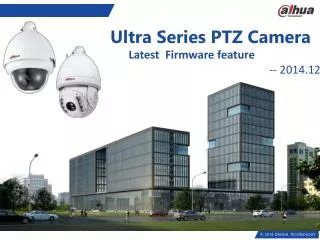
Are you ready to buy the PTZ Video Camera for live events and live streaming? Videocast offers up to 5% discount on every purchase of the 4K PTZ Camera for the classroom activities at online, corporate meetings, worship solutions and events.

E N D
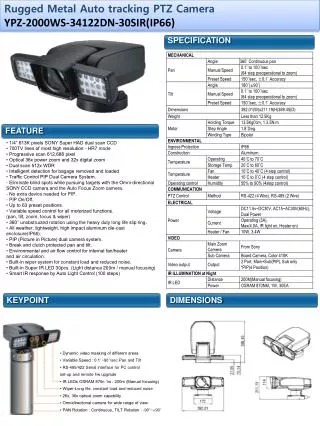
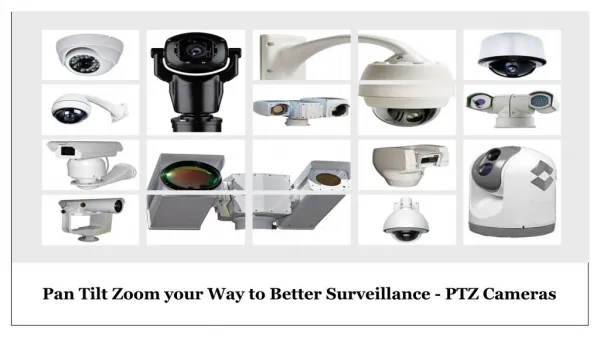
Unlocking the Future of Filmmaking: The Ultimate Guide to PTZ Video Cameras The filmmaking industry is evolving rapidly, driven by the demand for high-quality content, faster production workflows, and smarter technology. One innovation that has transformed modern video production is the PTZ video camera. PTZ, which stands for Pan, Tilt, and Zoom, offers filmmakers a powerful way to capture dynamic shots with precision and flexibility— without the need for large crews or complex rigs. This guide explores PTZ technology, its benefits, and why it is shaping the future of filmmaking. Understanding PTZ Technology and Its Benefits PTZ video cameras are designed to move remotely, allowing operators to control camera angles, movement, and zoom using software, controllers, or presets. Unlike fixed cameras, PTZ cameras can smoothly pan across scenes, tilt vertically, and zoom in on details, all while maintaining stable image quality. The biggest benefit of PTZ technology is efficiency. A single PTZ video camera can replace multiple static cameras, reducing setup time, manpower, and overall production costs. Filmmakers gain creative freedom to capture cinematic shots in real time while maintaining consistent framing and focus.
Key Features to Look for in PTZ Video Cameras When choosing a PTZ video camera for filmmaking, image quality should be the top priority. Look for cameras with high-resolution sensors, such as Full HD or 4K, to ensure sharp and detailed footage. Optical zoom capability is essential, as it allows close-up shots without sacrificing clarity. Other important features include smooth motor movement for silent operation, multiple video output options like HDMI, SDI, or IP streaming, and support for presets that enable quick scene transitions. Advanced PTZ cameras also offer auto-tracking, low-light performance, and compatibility with popular video production systems. Comparing PTZ Cameras vs. Traditional Cameras
Traditional cameras often require tripods, sliders, gimbals, and dedicated operators to achieve dynamic movement. While they deliver excellent cinematic quality, they can be time-consuming and expensive to manage. PTZ cameras, on the other hand, provide automated movement and remote control, making them ideal for fast-paced productions. They may not replace high-end cinema cameras for every project, but they excel in environments where flexibility, consistency, and efficiency matter. For many filmmakers, PTZ cameras serve as a perfect complement to traditional setups. Applications of PTZ Video Cameras in Filmmaking PTZ video cameras are widely used in documentaries, short films, live productions, and hybrid filmmaking projects. They are especially valuable for multi-camera shoots, interviews, and behind-the-scenes coverage where discreet operation is required. In studios and indoor sets, PTZ cameras allow filmmakers to capture multiple angles without interrupting the flow of the scene. For live filmmaking and streaming-based productions, PTZ cameras ensure professional-quality visuals with minimal crew involvement. Top PTZ Video Cameras on the Market The PTZ camera market offers a wide range of options tailored to different filmmaking needs. Some models focus on compact design and affordability, while others deliver broadcast-level performance with advanced imaging and control features. Leading brands provide PTZ cameras with robust build quality, reliable autofocus, and seamless integration into modern production workflows. Choosing the right model depends on factors such as shooting environment, budget, and required output quality. Tips for Setting Up and Using PTZ Cameras Effectively Proper placement is key to maximizing the potential of PTZ cameras. Mounting cameras at optimal heights and angles ensures smooth movement and natural framing. Using presets can save time during shoots, allowing filmmakers to switch between shots instantly. Lighting also plays a crucial role. While PTZ cameras perform well in controlled environments, balanced lighting enhances image clarity and color accuracy. Regular firmware updates and calibration help maintain performance and compatibility with evolving production systems. The Future of Filmmaking with PTZ Technology
As automation and AI continue to advance, PTZ cameras are becoming smarter and more intuitive. Features like intelligent auto-tracking, facial recognition, and IP-based workflows are redefining how films are produced. The future of filmmaking will likely blend traditional cinematic tools with PTZ technology, enabling creators to produce high-quality content faster and more efficiently than ever before. Common Challenges and Solutions in Using PTZ Cameras One common challenge with PTZ cameras is achieving a cinematic look comparable to large- sensor cinema cameras. This can be addressed by careful lighting, thoughtful composition, and using PTZ cameras alongside traditional cameras when needed. Another challenge is learning camera control systems, but most modern PTZ cameras offer user- friendly interfaces and customizable controls that simplify operation. Conclusion: Embracing PTZ Cameras for Next-Level Filmmaking PTZ video cameras are no longer limited to live events or surveillance—they are powerful filmmaking tools that offer flexibility, efficiency, and creative control. By understanding PTZ technology and using it effectively, filmmakers can elevate their productions and adapt to the fast-changing demands of modern content creation. Embracing PTZ cameras today means stepping confidently into the future of filmmaking.