Download

1 / 8
0 likes | 0 Views
A PayPal High Risk Merchant Account helps businesses in regulated or chargeback-prone industries accept secure online payments, manage fraud risks, reduce disputes, and ensure smoother global transactions with enhanced compliance support. Visit us at - https://trinityconsultings.com/paypal-high-risk-merchant-account-everything-you-need-to-know/<br>

E N D
PAYPAL HIGH RISK MERCHANT ACCOUNT Secure your business with a PayPal High Risk Merchant Account www.trinityconsultings.com
In today’s fast-paced digital economy, online businesses need reliable payment processing solutions. For companies operating in industries considered “high risk,” getting approved for a standard merchant account can be challenging. That’s where a PayPal High Risk Merchant Account becomes an important option. This guide explains what it is, who needs it, how it works, and how to increase your chances of approval.
What Is a PayPal High Risk Merchant Account? A PayPal High Risk Merchant Account is a specialized payment processing solution designed for businesses that operate in industries with higher chargeback ratios, regulatory scrutiny, or financial risk. Unlike traditional merchant accounts, high-risk accounts are structured to handle: Higher chargeback volumes Larger transaction amounts Recurring billing models International transactions Subscription-based services PayPal is widely known for its easy integration and global reach. However, not all businesses automatically qualify under standard risk policies.
What Is Considered a High-Risk Business? Industry Type Industries commonly labeled high risk include: Entertainment services Forex and cryptocurrency Online gaming Travel services Subscription-based businesses High Chargeback Ratio If your business frequently receives customer disputes or chargebacks, you may be classified as high risk. International Transactions Businesses processing cross-border payments often face higher fraud risks. Poor Credit History Low business or personal credit scores can impact approval chances.
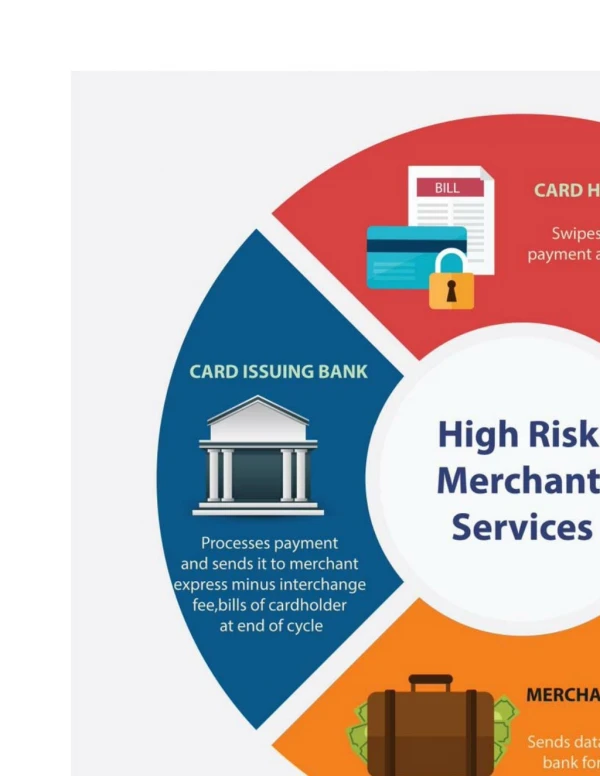
How Does a PayPal High Risk Merchant Account Work? A PayPal High Risk Merchant Account allows businesses to accept: Credit and debit cards PayPal wallet payments International currencies Recurring subscription payments Payment Flow Explained 1.Customer makes a payment via your website. 2.Payment is processed through PayPal’s system. 3.Funds are deposited into your PayPal account. 4.You transfer funds to your business bank account. High-risk accounts may include: Rolling reserves Higher processing fees Stricter monitoring Transaction limits
Key Features of PayPal High Risk Merchant Accounts Global Reach PayPal operates in over 200 countries and supports multiple currencies, making it ideal for international businesses. Easy Integration PayPal integrates seamlessly with platforms like Shopify, WooCommerce, and Magento. Fraud Protection Tools Advanced fraud monitoring helps reduce disputes and chargebacks. Subscription Billing Support Perfect for SaaS, membership sites, and recurring billing businesses.
How to Increase Approval Chances Getting approved requires preparation and compliance. Maintain Low Chargebacks Keep disputes below 1% to reduce risk classification. Provide Transparent Business Information Include clear refund policies, terms of service, and contact details on your website. Keep Strong Documentation Submit accurate financial records and verification documents during onboarding. Implement Fraud Prevention Use tools like address verification, CVV checks, and anti-fraud monitoring.
Thank You Very Much www.trintiyconsultings.com