0 likes | 1 Views
By leveraging EPS, projects benefit from enhanced energy savings, reduced costs, and environmentally responsible material use. Whether insulating a building, protecting sensitive goods, or stabilizing soil, EPS offers reliable performance that endures over time.
E N D
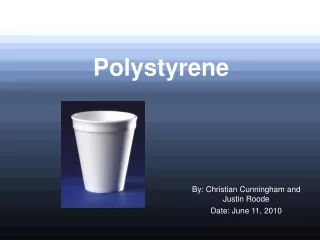
Expanded Polystyrene Solutions for Efficient Thermal Building Protection In today’s world of sustainable construction and energy conservation, effective thermal protection is essential for building performance and occupant comfort. One material that has gained widespread recognition for its exceptional insulating properties is Expanded Polystyrene (EPS). Known for its versatility, durability, and cost-effectiveness, EPS provides an ideal solution for enhancing thermal efficiency in various building applications. This article explores how expanded polystyrene solutions contribute to efficient thermal building protection, their benefits, applications, and best practices for use. What Is Expanded Polystyrene? Expanded Polystyrene (EPS) is a rigid foam insulation material composed of tiny polystyrene beads that are expanded and fused together using steam heat. The final product is a lightweight, closed-cell foam with a high air content, typically around 98%, which is what gives EPS its excellent insulating properties.
Because of its structure, EPS provides a robust thermal barrier, resisting heat transfer and maintaining stable indoor temperatures. It is available in various forms, such as sheets, blocks, or custom shapes, making it suitable for diverse building insulation needs. Why Use Expanded Polystyrene for Thermal Protection? Superior Thermal Insulation EPS offers high thermal resistance, typically measured as an R-value between 3.6 and 4.2 per inch of thickness. This means it effectively slows down the transfer of heat through building envelopes, reducing the need for heating and cooling systems to work harder. The closed-cell nature of EPS traps air, which is a poor conductor of heat, enhancing its insulating efficiency. Lightweight and Durable One of the most significant advantages of EPS is its lightweight construction. This makes handling and installation easier and reduces the structural load on the building. Despite being lightweight, EPS maintains excellent compressive strength, supporting structural elements such as floors and roofs without deformation. Its durability ensures that thermal performance remains stable over the lifespan of the building, resisting moisture, pests, and physical wear. Moisture Resistance and Vapor Permeability EPS is moisture resistant, which means it absorbs very little water, helping prevent mold growth and material degradation. At the same time, it allows some vapor permeability, enabling trapped moisture within wall assemblies to escape rather than accumulate. This characteristic helps maintain healthy building environments and prolongs structural integrity. Cost-Effective Insulation Solution EPS is one of the most affordable insulation materials available when measured on a per-R-value basis. Its balance of cost, performance, and ease of installation makes it attractive for a variety of projects, from residential homes to commercial buildings. Applications of Expanded Polystyrene in Building Thermal Protection EPS’s versatility enables its use in a wide range of building components and assemblies: Wall Insulation
EPS panels can be installed inside or outside wall cavities, providing continuous insulation that reduces thermal bridging — a common issue where heat escapes through framing materials. It is also widely used in Exterior Insulation and Finish Systems (EIFS), where it serves as the insulation layer beneath exterior coatings. Roof Insulation EPS is commonly used as rigid roof insulation in commercial flat roof systems and residential roofs alike. It enhances the roof's thermal performance while being able to withstand foot traffic and mechanical loads. Foundation and Below-Grade Insulation EPS is well-suited for insulating foundations and below-grade structures due to its compressive strength and resistance to moisture. It helps reduce heat loss through slabs and basement walls, improving the overall energy efficiency of the building. Floor Insulation Used beneath concrete slabs and floor systems, EPS provides thermal protection that helps maintain comfortable indoor temperatures and reduces energy costs associated with heating floors. Specialty Applications Beyond conventional uses, EPS is utilized in geofoam for soil stabilization, sound insulation, and even in specialized packaging to protect sensitive equipment during shipping. Installation Best Practices for EPS Insulation To maximize the benefits of EPS insulation, proper installation is essential: ● Ensure continuous insulation to minimize thermal bridging and gaps. ● Protect EPS from prolonged UV exposure by covering it with appropriate barriers or finishes. ● Use compatible adhesives or mechanical fasteners designed for foam insulation. ● Incorporate vapor retarders or barriers where necessary, depending on climate and building design. ● Seal joints and edges to prevent air leakage and moisture infiltration.
When installed correctly, EPS insulation not only improves thermal efficiency but also contributes to improved indoor air quality and building durability. Environmental and Energy Efficiency Benefits EPS insulation supports sustainable building practices in several ways: ● By significantly reducing heating and cooling energy demands, it lowers greenhouse gas emissions associated with building operation. ● EPS is often produced with recycled content, and the material itself is 100% recyclable. ● Its lightweight nature reduces transportation fuel consumption and emissions. ● Long-lasting performance means less frequent replacement, reducing waste and resource consumption over time. These benefits align with the goals of green building certifications and energy codes worldwide. Comparing EPS to Other Insulation Materials While other insulation materials like extruded polystyrene (XPS), polyurethane foam, or mineral wool have their advantages, EPS stands out for its combination of affordability, moisture resistance, and thermal performance. Unlike XPS, EPS offers better vapor permeability, which can be beneficial in certain climates. Its cost advantage over higher R-value materials makes it accessible for budget-sensitive projects without sacrificing thermal protection. Conclusion Expanded Polystyrene insulation offers an effective, economical, and durable solution for efficient thermal building protection. Its lightweight strength, high thermal resistance, moisture management capabilities, and adaptability make it a preferred choice in a wide variety of building applications. By incorporating EPS insulation, builders and designers can enhance energy efficiency, improve occupant comfort, and contribute to environmental sustainability. Properly installed, EPS insulation provides long-lasting protection that supports the goals of modern construction.
Discover the potential of expanded polystyrene solutions for your next project and experience the benefits of superior thermal building protection.