Structural Engineering Services in USA
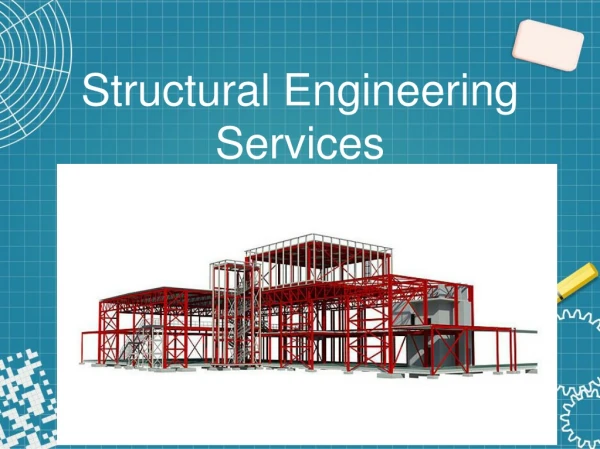
Silicon Outsourcing offers the top class Structural Drawings Services. We Provide Multiple Ranges of outsourcing structural engineering services like Structural 2D Drafting Services, Structural Fabrication Drawing, structural 3D modelling Services. Do visit our website to get more information about our Structural BIM Services and get a quote.<br>

Structural Engineering Services in USA
E N D
Presentation Transcript
Structural Engineering Services: Optimizing Design, Safety, and Performance Structural engineering is a vital discipline within the construction industry, focusing on the design, analysis, and construction of structures. These structures can include buildings, bridges, towers, and more. The goal of structural engineering services is to create safe, e?cient, and cost-e?ective solutions that optimize design, safety, and performance. The Role of Structural Engineering What is Structural Engineering? Structural engineering involves understanding how structures support and resist loads. It requires knowledge of materials, physics, and engineering principles. Structural engineers ensure that buildings and other structures can withstand the stresses and forces they encounter over time. Importance of Structural Engineering Services Safety: The primary concern of structural engineering is the safety of the structure and its occupants. Engineers use their expertise to identify potential risks and design structures that can withstand environmental factors like earthquakes, wind, and heavy loads. Performance: Structural performance refers to how well a structure functions under various conditions. Optimizing performance means ensuring that the structure meets its intended use without issues such as excessive deflection, vibration, or noise. Design E?ciency: E?cient design minimizes material use and construction costs while maximizing structural integrity and aesthetic appeal.
Key Components of Structural Engineering Services Structural Analysis Structural analysis involves assessing how a structure behaves under various loads. Engineers use mathematical models and simulations to predict how the structure will respond to forces such as: Dead Loads: Permanent/static loads, like the weight of the structure itself. Live Loads: Variable loads, such as people, furniture, and equipment. Environmental Loads: Forces from nature, including wind, earthquakes, and snow. Structural Design Once the analysis is complete, structural engineers create detailed designs that outline how to build the structure. This includes selecting appropriate materials and construction methods. Key design considerations include: Material Selection: Choosing the right materials (e.g., steel, concrete, timber) based on strength, durability, and cost. Load Path Development: Ensuring that loads are e?ectively transferred through the structure to the ground. Building Codes and Regulations: Adhering to local building codes and safety standards. Detailing and Documentation Detailed drawings and documentation are essential for construction. Structural engineers create: Shop Drawings: Precise drawings used by contractors to fabricate and install components. Specifications: Detailed descriptions of materials and workmanship required for the project.
Optimizing Design, Safety, and Performance Integrated Design Approach An integrated design approach involves collaboration among various disciplines, including architecture, mechanical, and electrical engineering. This collaboration ensures that all aspects of the project work together harmoniously, resulting in: Enhanced Safety: By considering all factors early in the design phase, engineers can identify and mitigate potential risks. Improved Performance: Multi-disciplinary input leads to designs that optimize functionality and usability. Use of Technology Advancements in technology have transformed structural engineering. Tools and software such as Building Information Modeling (BIM) allow engineers to: Visualize Structures: Create 3D models that help in identifying design flaws before construction begins. Simulate Performance: Analyze how structures will respond to various loads and conditions using simulation software. Streamline Communication: Improve collaboration among teams, making the construction process more e?cient. Sustainability Considerations Sustainable design practices focus on minimizing the environmental impact of structures. Structural engineers can contribute to sustainability by:
Using Recycled Materials: Selecting materials that reduce waste and environmental impact. Energy E?ciency: Designing structures that optimize natural light and energy use, lowering operational costs. Durable Designs: Creating structures that require less maintenance and have a longer lifespan. Structural engineering services play a crucial role in the design and construction of buildings and infrastructure. These services encompass a wide range of activities, including structural analysis, design, drafting, and detailing. Structural engineers are responsible for ensuring that structures can withstand the various loads they will encounter throughout their lifespan, such as gravity, wind, and seismic forces. By utilizing advanced modeling software and analytical techniques, engineers create robust designs that prioritize safety, e?ciency, and functionality, ultimately leading to structures that are both durable and aesthetically pleasing. In addition to traditional structural engineering, modern services also incorporate innovative technologies like Building Information Modeling (BIM). BIM enables engineers to create detailed 3D models that provide a comprehensive view of a project, allowing for better visualization and collaboration among di?erent stakeholders. This integrated approach helps identify potential design conflicts early in the process, reducing costly errors during construction. Furthermore, structural engineering services often focus on sustainability by promoting the use of eco-friendly materials and energy-e?cient designs. By considering environmental impacts alongside structural integrity, engineers contribute to creating more sustainable and resilient communities.