ceramic coating
0 likes | 12 Views
<br>Ceramic coating is a premium service that provides your vehicle with a protective layer, enhancing its shine and longevity. This advanced technology creates a durable shield against environmental elements, such as UV rays, dirt, and minor scratches, ensuring your car maintains its pristine appearance for years. At Autoalchemy, Indiau2019s top automotive company, we offer top-notch ceramic coating services tailored to your vehicleu2019s needs. Elevate your caru2019s look and safeguard your investment with our expert solutions. Visit our website today to learn more and give your car the care it deserves!


ceramic coating
E N D
Presentation Transcript
The Unveiling the Magic Shield for Your Vehicle Complete Guide to Ceramic Coating: In the ever-evolving world of automotive care, ceramic coating has emerged as a groundbreaking solution that revolutionizes how we protect and maintain our vehicles. For many car enthusiasts and everyday drivers alike, the term "ceramic coating" is not just a buzzword but a promise of unparalleled protection and dazzling shine. Imagine a shield so advanced that it can repel the harshest environmental elements while preserving the vehicle’s glossy finish. This is the allure of ceramic coating—a product that has transformed vehicle care from routine maintenance to a sophisticated protective process. So, what exactly is ceramic coating? How does it work? Why has it become so popular? In this comprehensive guide, we’ll unravel the mysteries of ceramic coating, exploring its scientific foundations, benefits, application processes, and real-world applications. Whether you're a seasoned car enthusiast or a casual vehicle owner looking for the best in automotive care, this guide will provide you with a deep understanding of ceramic coating and why it might be the perfect choice for your vehicle. The Science Behind Ceramic Coating
Ceramic coating is more than just a surface treatment; it is a scientifically advanced solution designed to offer long-term protection for your vehicle. To fully appreciate the benefits of ceramic coating, it's essential to understand its scientific basis and the technology that drives its performance. What is Ceramic Coating? Fundamentally, ceramic coating is just a liquid polymer that, when it comes in contact with an automobile's exterior, reacts chemically to the original paint. This bonding process creates a protective layer that enhances the vehicle's appearance while safeguarding it against various environmental contaminants. Ceramic coatings are typically made from silicon dioxide (SiO2) or titanium dioxide (TiO2), both of which are known for their durability and resistance to environmental factors. The Chemistry of Ceramic Coating Ceramic coatings rely on the principles of chemistry to deliver their impressive performance. The key ingredient, SiO2, is a compound that forms a strong covalent bond with the vehicle’s paint. This bond creates a layer that is highly resistant to water, dirt, and other contaminants. The chemical structure of SiO2 provides a hard, glass-like finish that enhances the vehicle's appearance and durability. How It Bonds with Paint Unlike traditional waxes or sealants that merely sit on top of the paint, ceramic coatings chemically bond with the paint molecules. This chemical bond creates a strong, semi-permanent layer that integrates with the paint rather than just covering it. The result is a protective layer that is more resistant to wear and tear, offering long-lasting protection that can endure various environmental challenges. Key Components of Ceramic Coating Ceramic coatings are typically composed of several key components that contribute to their effectiveness: ● Silicon Dioxide (SiO2): The primary ingredient in most ceramic coatings, SiO2 forms a hard, glass-like layer that enhances the vehicle’s gloss and provides protection against environmental contaminants. Titanium Dioxide (TiO2): Often used in combination with SiO2, TiO2 adds extra hardness and UV resistance to the coating. Polymers: These help in bonding the coating to the vehicle’s paint and ensure that the coating remains adhered even under harsh conditions. ● ● Benefits of Ceramic Coating
The rise in popularity of ceramic coating can be attributed to the myriad benefits it offers. This section will delve into the specific advantages of using ceramic coating, demonstrating why it has become a preferred choice for vehicle protection. Enhanced Gloss and Shine One of the most noticeable benefits of ceramic coating is the enhancement it provides to the vehicle’s appearance. The coating delivers a deep, reflective gloss that makes the car look newer and more vibrant. This glossy finish not only enhances the vehicle’s aesthetic appeal but also helps in maintaining a showroom-like appearance. Long-Lasting Protection Ceramic coating is renowned for its durability. Unlike traditional waxes and sealants that require frequent reapplication, ceramic coatings provide long-lasting protection that can endure for several years. This longevity translates to less frequent maintenance and a more consistent level of protection over time. Hydrophobic Properties The hydrophobic nature of ceramic coating is one of its standout features.Water is repelled by the covering and beading, rolling off the surface. This hydrophobic effect prevents water from sitting on the paint and carrying away dirt and grime. As a result, the vehicle remains cleaner for longer periods, and washing becomes easier and more efficient. UV Protection UV rays can cause significant damage to a vehicle’s paint over time, leading to oxidation and fading. Ceramic coating provides a protective barrier against these harmful UV rays, preventing the paint from degrading and preserving the vehicle’s colour and finish.
Scratch Resistance While no coating can make a vehicle completely scratch-proof, ceramic coatings offer a significant level of scratch resistance. The hard, glass-like layer created by the coating can withstand minor abrasions and protect the paint from everyday wear and tear. Chemical Resistance Ceramic coatings are designed to resist a variety of chemical contaminants, including acidic substances like bird droppings, bug splatter, and road salts. This chemical resistance helps prevent damage to the paint and ensures that the vehicle remains in top condition even in challenging environments. Ease of Cleaning The self-cleaning properties of ceramic coating make routine maintenance a breeze. The coating’s hydrophobic nature means that dirt and contaminants have a harder time sticking to the surface. As a result, washing the vehicle requires less effort, and the vehicle’s appearance is easier to maintain. The Application Process The procedure of applying ceramic coating is labour-intensive and demands close attention to detail and careful planning.While professional application is often recommended for the best results, some enthusiasts choose to undertake the task themselves. This section will outline the steps involved in applying ceramic coating, providing a comprehensive guide for both DIY enthusiasts and those considering professional services. Preparation The preparation phase is crucial to ensure that the ceramic coating adheres properly and delivers optimal performance. The following steps are involved in preparing the vehicle for ceramic coating:
1. Washing: Begin by thoroughly washing the vehicle to remove any dirt, grime, or contaminants. Use a high-quality car shampoo and wash mitt to clean the surface. 2. Decontamination: After washing, use a clay bar to remove any embedded contaminants from the paint. This step ensures a smooth surface for the coating to bond with. 3. Paint Correction: Inspect the paint for any imperfections, such as swirl marks or scratches. Use a polishing compound or buffer to correct these issues and achieve a flawless finish. 4. Surface Prep: Use an alcohol-based prep solution or a dedicated paint prep product to remove any remaining residues or oils from the surface. This step ensures that the ceramic coating bonds effectively with the paint. Application The application of ceramic coating involves several key steps to ensure even coverage and optimal performance: 1. Application: Using an applicator pad, apply the ceramic coating to small sections of the vehicle. Work in a crosshatch pattern to ensure even coverage and avoid high spots. 2. Buffing: After applying the coating to each section, use a microfiber towel to buff off any excess product. This step helps achieve a smooth, glossy finish and prevents high spots. 3. Curing: Allow the ceramic coating to cure for the recommended time specified by the manufacturer. During this period, avoid exposing the vehicle to water, dust, or contaminants.
Curing Curing is a critical part of the ceramic coating application process.Depending on the product and surrounding factors, the curing period may change. During the curing period, it’s important to keep the vehicle in a clean, dry environment to allow the coating to fully bond with the paint. Maintenance While ceramic coating significantly reduces the frequency of maintenance, it’s still important to follow proper care practices to ensure the coating’s longevity: 1. Washing: Use a pH-neutral car shampoo and a soft wash mitt to clean the vehicle. Steer clear of aggressive chemicals and cleaners that rough surfaces can damage. 2. Drying: Use a microfiber towel to dry the vehicle after washing.In addition to ensuring a streak-free finish, this helps avoid wet spots. 3. Maintenance Products: Periodically apply a maintenance spray or booster product designed for ceramic coatings to enhance the coating’s performance and maintain its hydrophobic properties. Choosing the Right Ceramic Coating With a wide range of ceramic coating products available on the market, selecting the right one for your vehicle can be a daunting task. This section will provide guidance on how to choose the best ceramic coating based on various factors. Durability
The durability of a ceramic coating is a crucial consideration. Different products offer varying levels of longevity, ranging from one year to five years or more. When choosing a coating, consider how long you want the protection to last and select a product that meets your needs. Composition The composition of the ceramic coating is another important factor. Look for coatings with a high percentage of SiO2 or TiO2, as these ingredients are key to the coating’s effectiveness. Higher concentrations typically result in better performance and longer-lasting protection. Application Difficulty Ceramic coatings vary in terms of application difficulty. Some products are designed for professional use and require specialized equipment, while others are more user-friendly and suitable for DIY enthusiasts. Assess your comfort level and experience with detailing products when selecting a coating. Price Ceramic coatings can range in price from budget-friendly options to high-end products. While it’s tempting to opt for the cheapest option, remember that quality often correlates with price. Investing in a high-quality ceramic coating can yield better results and longer-lasting protection. Reviews and Recommendations Researching reviews and seeking recommendations from trusted sources can help you make an informed decision. Look for feedback from other users who have applied the product to their vehicles and consider their experiences and recommendations. DIY vs. Professional Application When it comes to applying ceramic coating, you have two primary options: DIY application or professional services.Every strategy offers benefits and things to think about. DIY Application Pros: ● Cost-effective: DIY application is generally less expensive than professional services, making it a budget-friendly option. Convenience: Applying the coating yourself allows you to work at your own pace and on your schedule. ● Cons:
● Skill Required: Proper application requires a certain level of skill and attention to detail. Mistakes can result in uneven coverage or potential damage. Risk of Errors: DIY application carries the risk of errors, such as high spots or incomplete coverage, which can affect the coating’s performance. ● Professional Application Pros: ● Expertise: Professionals have the experience and tools needed for a flawless application. They can ensure even coverage and optimal results. Warranty: Many professional services offer warranties, providing peace of mind and protection against potential issues. ● Cons: ● Cost: Professional application can be more expensive than DIY options. However, the investment often results in superior results and longer-lasting protection. Time: Scheduling a professional appointment may require you to leave your vehicle for several hours or days, which can be inconvenient. ● Ceramic Coating vs. Traditional Wax When considering ceramic coating, many vehicle owners wonder how it compares to traditional waxing methods. This section will compare ceramic coating and wax, highlighting their differences and advantages.
Durability Ceramic Coating: Offers long-lasting protection that can endure for several years, depending on the product and maintenance. Wax: Typically lasts only a few months, requiring frequent reapplication to maintain protection. Protection Ceramic Coating: Provides superior protection against UV rays, chemical contaminants, and minor scratches. The hard, glass-like layer offers enhanced durability. Wax: Offers a lower level of protection and may not withstand harsh environmental conditions as effectively. Maintenance Ceramic Coating: Reduces the frequency of washing and maintenance due to its hydrophobic properties and self-cleaning capabilities. Wax: Requires more frequent reapplication and regular maintenance to maintain its effectiveness. Cost
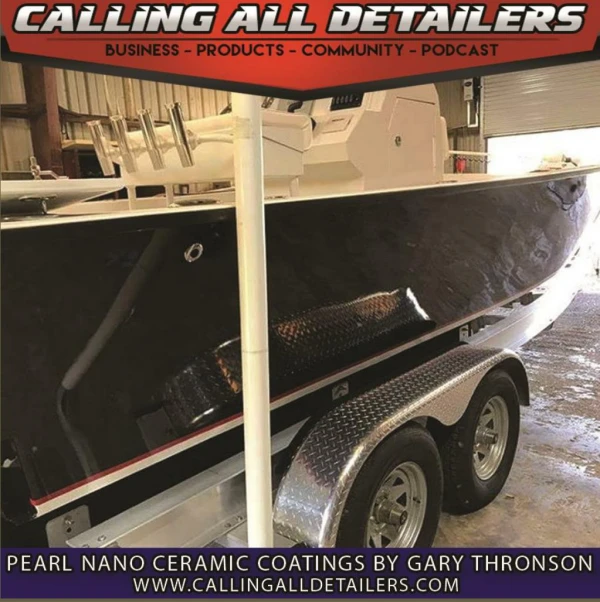
Ceramic Coating: Higher initial cost but can save money in the long run due to its durability and long-lasting protection. Wax: Lower initial cost but requires repeated purchases and applications, which can add up over time. Appearance Ceramic Coating: Delivers a deeper, more reflective gloss that enhances the vehicle’s appearance and maintains its shine for an extended period. Wax: Provides a glossy finish but may not offer the same level of depth and longevity as ceramic coating. Real-World Case Studies To illustrate the effectiveness of ceramic coating, let's explore some real-world case studies that showcase its benefits and applications. Daily Driver A daily commuter vehicle exposed to various weather conditions and road contaminants experienced significant improvements after being treated with ceramic coating. The owner reported a noticeable reduction in the frequency of washing, as the hydrophobic properties of the coating repelled water and dirt. The vehicle maintained its glossy appearance despite daily use and frequent exposure to environmental elements. Show Car A high-end show car, frequently displayed at events and subjected to close scrutiny, benefited greatly from ceramic coating. The owner noted that the coating enhanced the vehicle’s appearance with a mirror-like finish that drew compliments from enthusiasts and judges alike. The ease of maintenance and the protection against potential contaminants ensured that the car remained in pristine condition for every show. Off-road Vehicle An off-road vehicle frequently subjected to mud, dirt, and rough terrain showcased the resilience of ceramic coating. The coating’s hydrophobic properties made cleaning the vehicle easier, as contaminants were less likely to adhere to the surface. The coating also provided protection against scratches and abrasions caused by off-road adventures, preserving the vehicle’s appearance and condition. Frequently Asked Questions As ceramic coating continues to gain popularity, many vehicle owners have questions about its benefits, application, and maintenance. Here are some common queries: How long does ceramic coating last?
The longevity of ceramic coating depends on the product and maintenance practices. High-quality coatings can last up to five years or more with proper care. Regular maintenance and periodic inspections can help extend the coating’s lifespan. Can I apply ceramic coating myself? Yes, many ceramic coating products are designed for DIY applications. However, professional application is recommended for the best results, especially if you lack experience or access to specialised tools. Does ceramic coating prevent scratches? While ceramic coating offers a significant level of scratch resistance, it is not entirely scratch-proof. It can protect against minor abrasions and everyday wear but may not withstand deep scratches or impacts. Is ceramic coating worth the investment? For many car owners, the benefits of ceramic coating, including long-lasting protection, enhanced appearance, and ease of maintenance, make it a worthwhile investment. The initial cost is offset by the reduced need for frequent reapplication and the long-term preservation of the vehicle’s condition. How do I maintain a ceramic-coated vehicle? Maintaining a ceramic-coated vehicle involves regular washing with a pH-neutral car shampoo and avoiding abrasive cleaners. Use a microfiber towel to dry the vehicle and consider applying a maintenance spray or booster product to enhance the coating’s performance. Common Myths About Ceramic Coating
Despite its popularity, several myths and misconceptions surround ceramic coating.Here are some of the most widespread myths to be addressed and disproved: Ceramic Coating is Scratch-proof While ceramic coating provides a level of scratch resistance, it is not entirely scratch-proof. The coating can withstand minor abrasions and everyday wear but is not immune to deep scratches or impacts. Ceramic Coating is a Permanent Solution Ceramic coating is long-lasting but not permanent. The coating will eventually need to be reapplied, depending on factors such as product quality, maintenance, and environmental conditions. Ceramic Coating Eliminates the Need for Washing Ceramic coating reduces the frequency of washing but does not eliminate the need for it. Regular cleaning is still necessary to maintain the coating’s effectiveness and appearance. All Ceramic Coatings are the Same Not all ceramic coatings are created equal. The quality, composition, and performance can vary significantly between products. It’s essential to choose a reputable brand and product that meets your specific needs.
Ceramic coating represents a significant leap forward in the world of automotive care. Its advanced technology, long-lasting protection, and impressive aesthetic enhancement make it a powerful tool for maintaining and elevating the condition of your vehicle. From its scientific foundations to its practical applications, ceramic coating offers a sophisticated solution that meets the demands of modern vehicle care. As you consider whether ceramic coating is the right choice for your vehicle, weigh the benefits against your needs and preferences. Whether you opt for DIY application or professional services, understanding the intricacies of ceramic coating will help you make an informed decision. With proper application and maintenance, ceramic coating can provide your vehicle with a robust shield, ensuring it remains in pristine condition for years to come. In the end, ceramic coating is more than just a product—it is a testament to the evolution of automotive care. Embrace this cutting-edge solution and experience the transformative power of ceramic coating for yourself. By investing in this advanced protective technology, you’re not only enhancing your vehicle’s appearance but also safeguarding its value and longevity.