Download

1 / 4
0 likes | 1 Views
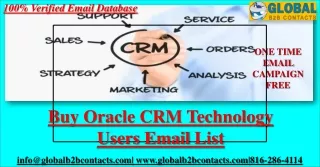
A CRM for food industry helps businesses streamline orders, manage inventory, understand customers better, improve communication, reduce errors, and deliver faster, more personalized service across restaurants, cloud kitchens, and catering operations. For more information call us at 1 609-281-5272<br>https://www.lionobytes.com/blog/how-crm-transforms-operations-in-food-industry

E N D
How a CRM Can Transform Operations in the Food Industry The food industry is always on the move. Orders arrive quickly, customers want fast replies, and kitchens need to be precise. No matter whether you run a restaurant, cloud kitchen, or catering service, the main challenge is keeping things running smoothly while maintaining high quality. Many businesses still use a mix of phone calls, WhatsApp messages, handwritten notes, and different apps. This way of working might be fine at first, but as the business grows, mistakes become more common, and it becomes harder to keep track of everything. A modern CRM solves this by bringing all your work into a single, simple, organized system. Why Food Businesses Outgrow Manual Processes In food service, even small mistakes can disrupt the workflow. Missing ingredients, late orders, or lost customer notes can frustrate both customers and staff. Common issues include: •It is hard to keep track of orders when things get busy. •The front desk, kitchen, and delivery teams sometimes miscommunicate.
•We do not have a clear record of what customers like or any complaints they have made before. •We sometimes run out of stock because we cannot easily see what we have on hand. •Our communication with customers is often slow and inconsistent. A CRM brings these separate processes together into one organized and dependable workflow. Better Customer Understanding Food businesses depend on repeat customers. A CRM system strengthens relationships by tracking each customer’s preferences, allergies, order history, and feedback. This information enables staff to personalize service, recognize regular patrons, suggest relevant menu items, and address complaints efficiently. Personalized service enhances customer loyalty and promotes repeat visits. Smoother Order Management Orders can come from anywhere, like walk-ins, phone calls, delivery apps, or websites. During busy times, this can get overwhelming. A CRM helps by letting teams follow every order from beginning to end. You can see: •Items are currently being prepared. •Items ready to be sent out. •Items experiencing delays. •Items waiting for customer confirmation. This helps reduce confusion and keeps both customers and staff updated. It also makes sure that no order is missed. Smarter Inventory Control Inventory Managementis a significant challenge for food businesses. Excess stock leads to waste, while insufficient stock disrupts kitchen operations. A CRM with inventory features provides real-time visibility into stock levels and reorder needs, enabling data-driven decisions. This approach reduces waste and maintains consistent quality over time. Marketing That Feels Personal Food businesses depend on regular customers. Using a CRM lets you learn about their buying habits, so you can make your marketing more focused.
With a CRM, you can: •Send special offers to your loyal customers •Reach out to people who haven’t ordered in a while •Share new dishes with the customers most likely to enjoy them •Run seasonal campaigns with better timing Because your messages are personalized, customers see them as helpful rather than just advertising. Insights That Improve Daily Operations A CRM helps you see what is happening in your business. You can spot trends, see what customers want, find your top-selling items, and check how satisfied your customers are. Managers can use real data to make decisions rather than guess. This makes it easier to plan and schedule the right number of staff when it’s busy, and to manage your menu more effectively. Where LionO360 CRM Makes the Difference LionO360 CRM gives food businesses a single platform to manage customers, orders, inventory, and daily tasks. Teams can stay organized with real-time updates, and automation helps reduce manual work and mistakes. LionO360 fits seamlessly into the workflow of restaurants, cloud kitchens, and catering services by giving them: •A unified system for all customer and order information •Simpler inventory tracking •Quicker communication •Accurate operational insights It helps businesses grow, whether they have one location or many. Conclusion The food industry needs to move quickly, get orders right, and keep customers happy. A CRM helps by organizing customer information, streamlining order processing, improving communication, and giving managers a clear view of daily operations. When used well, a CRM is more than just a tool. It can be the backbone of a smoother, more efficient food business. For teams looking for a modern, flexible platform, options likeLionO360 CRMoffer what today’s food operations need.
Read more: CRM for food industry Website: https://www.lionobytes.com/







![[PDF] Free Download Good Mood Food By Natalie Savona & Charlotte Watts](https://cdn4.slideserve.com/8261752/slide1-dt.jpg)