Tips for Java Developers
Master the art of Java development with these 5 essential tips! Utilize frameworks, prioritize readability, optimize speed, stay updated, and foster collaboration for success.

Tips for Java Developers
E N D
Presentation Transcript
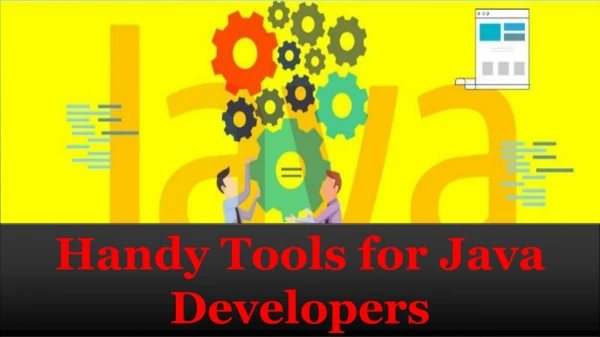
Top 5 Must-Know Tips for Java Developers Within the constantly changing field of software development, Java continues to be a reliable option for creating scalable, reliable programs. Whether you're a novice or an experienced Java developer, knowing these essential guidelines can improve the caliber of your codebase and your productivity dramatically. Now let's explore five must-know pieces of advice for Java developers. Leverage Java Frameworks for Rapid Development Java frameworks offer a multitude of tools and libraries to developers to make development chores easier. Through the use of frameworks like Spring, Hibernate, or Apache Struts, developers may expedite their development cycles and concentrate more on the implementation of business logic instead of rewriting everything from scratch. Using Java frameworks in your projects guarantees adherence to industry standards and best practices while also increasing efficiency.
Prioritize code readability and maintainability. It is essential for each Java developer to write understandable and well-organized code. It is easier to maintain and collaborate on code when coding conventions, descriptive variable names, and uniform formatting techniques are used. Furthermore, using architectural concepts and design patterns like Model-View-Controller (MVC) guarantees a modular, scalable codebase that can easily adjust to changing requirements. Optimize Performance with Multithreading and Concurrency Java offers developers strong concurrency and multithreading capability, allowing them to create responsive, high-performing applications. Developers may use frameworks like Akka or Java Concurrency in Practice, or features like Java's java.util.concurrent package, to harness the power of parallelism and increase the responsiveness and scalability of their applications. Nonetheless, to steer clear of typical hazards like race situations and deadlock, it's vital to comprehend the subtleties of concurrency management and synchronization. Stay abreast of Java language and platform updates. With frequent updates and changes, Java keeps developing, including new language features, APIs, and performance boosts. Using the most recent Java versions gives developers access to cutting-edge features and optimizations, which improves the stability and security of their apps. Furthermore, keeping up with changes in the Java ecosystem, such as new frameworks and tools, enables developers to remain ahead of the curve and make wise design decisions. Embrace continuous learning and collaboration. Because software development is such a broad and dynamic subject, it is essential for engineers to embrace lifelong learning and a growth mentality. Participating in open-source projects, going to conferences, and joining online groups are all great ways to learn more and improve your Java development abilities. Establishing a collaborative culture within your team also promotes knowledge exchange, code reviews, and group problem-solving, all of which result in better software and career advancement.
In conclusion, you may become a more proficient Java developer and produce dependable, scalable, and easily maintained solutions by understanding these five essential guidelines. You may begin a rewarding journey into Java programming with confidence and expertise by following development best practices. These include using Java frameworks, placing a premium on code readability, optimizing performance, staying up to date with Java language advancements, and welcoming collaboration and ongoing education.