Sales of Next generation packaging technology to Decelerate in 2020 as COVID-19 Pandemic Takes its Toll on Global Market
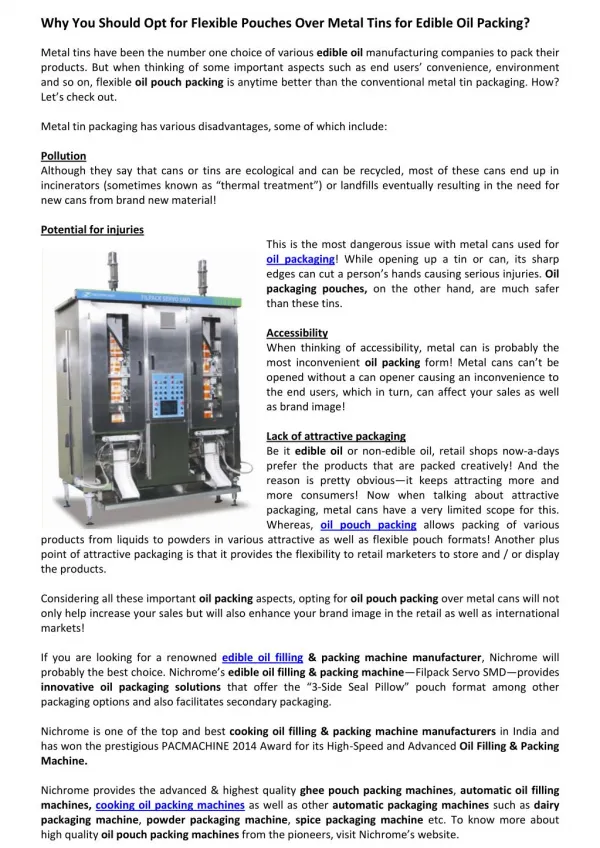
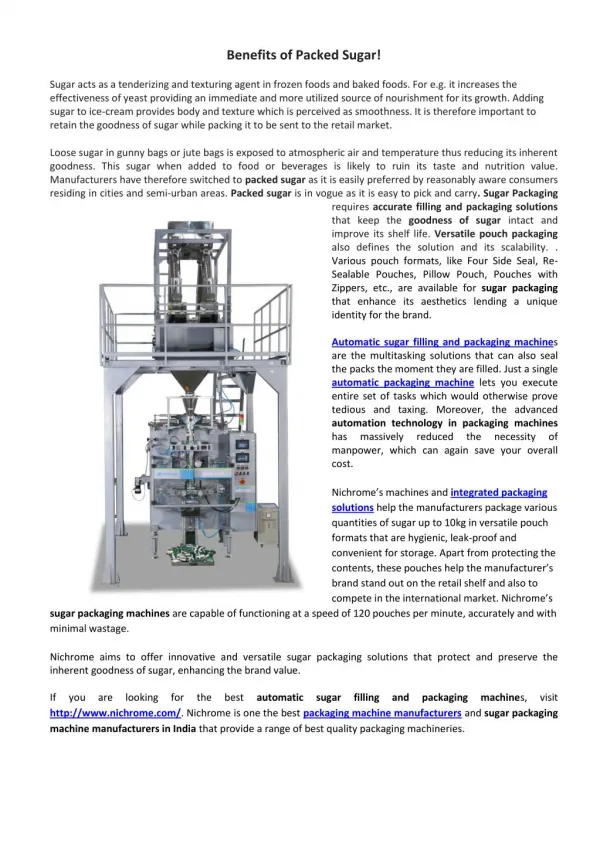
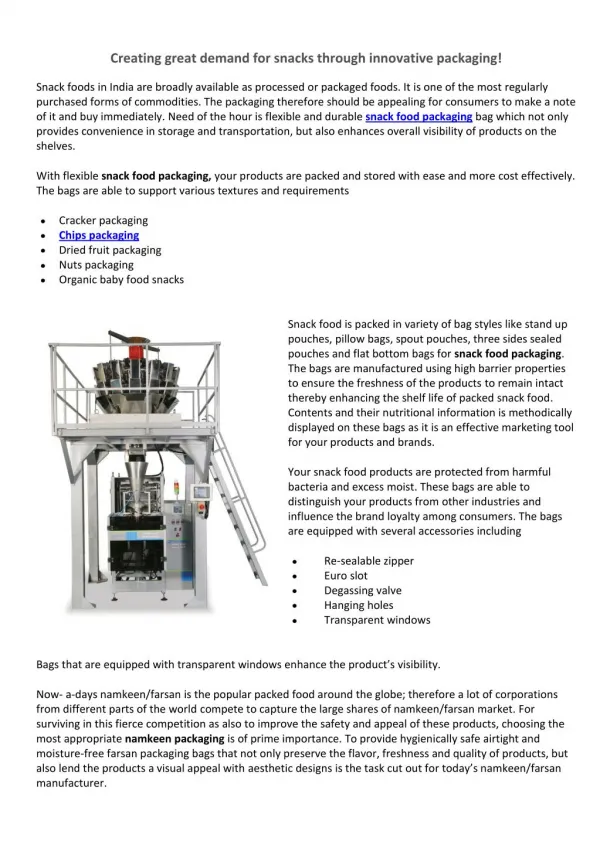
Report Synopsis FMI study offers a 10-year forecast for the Global Next Generation Packaging Market between 2015 and 2025. The market is expected to expand at a CAGR of 6.01% during the projected period. The study demonstrates the market dynamics and trends which are anticipated to influence the current nature and future status of next generation packaging market in all the seven regions, over the forecast period. Report Description This Future Market Insights report examines the global next generation packaging market for the period 2015u20132025. The primary objective of the report is to offer updates on the advancements in packaging techniques that have given rise to a futuristic technology: the next generation packaging. Next generation packaging is basically a packaging technology, which possesses different advanced features, such as traceability, offers various benefits such as product shelf life extension and provides product quality information. The next generation packaging types, namely active, intelligent and modified atmosphere packaging, can be used to enhance the packaging quality, which ultimately adds value to products. Sample of Research Report @ https://www.futuremarketinsights.com/reports/sample/rep-gb-709 In the next section, FMI covers the next generation packaging market performance in terms of the global next generation packaging revenue split, since this is detrimental to the growth of the next generation packaging market. This section additionally includes FMIu2019s analyses of the key trends, drivers and restraints, which are influencing the next generation packaging market currently. Impact analysis of the key growth drivers and restraints, based on the weighted average model, is included in this report to better equip and arm clients with crystal clear decision-making insights. As highlighted earlier, next generation packaging market is an aggregation of three packaging types, active packaging (includes antimicrobials, gas scavengers, emitters and others), intelligent packaging (which includes sensors, indicators and tags) and modified atmosphere packaging. All these types are included in this section to make the study more comprehensive. In the next section of the report, FMI covers the next generation packaging market on the basis of applications, which include food & beverages, healthcare & pharmaceuticals, personal care, logistic & supply chain and others (automotive & industrial). This study discusses the key application trends contributing to the growth of the next generation packaging market. This section provides market forecast for 2015u20132025. The next section of the report highlights the adoption of the next generation packaging on the basis of various regions. It provides market outlook for 2015u20132025 and presents the forecast within the context of the next generation packaging ecosystem. This study discusses the key regional trends contributing to the growth of the next generation packaging market on a worldwide basis, as well as the degree at which the global drivers are influencing this market in each region. Key regions assessed in this report include North America, Latin America, Western Europe, Eastern Europe, Asia Pacific Excluding Japan (APEJ), Japan as a separate region and the Middle East and Africa. All the above sections, by packaging type, by application and by region, evaluate the present scenario and the growth prospects in the next generation packaging market for the period 2015u20132020. We have considered 2014 as the base year and provided data for the trailing 12 months. To calculate the next generation packaging market size, we have considered revenue generated from the sale of next generation packaging types and their adoption in various industries. The forecast presented here assesses the total revenue generated by the next generation packaging market between 2015 and 2025. In order to offer an accurate forecast, we started by sizing the current market which forms the basis of how the next generation packaging market would develop in future. Given the characteristics of the market, we triangulated the outcome of the three different types of analyses, based on supply side, customer spending and economic envelope. However, forecasting the market in terms of various next generation packaging segments and regions is more a matter of quantifying opportunities rather than rationalising them after the forecast has been completed. In addition, it is imperative to note that in an ever-fluctuating global economy, we not only conduct forecast in terms of CAGR, but also analyse on the basis of key parameters, such as Year-on-Year (Y-o-Y) growth, to understand the predictability of the market and to identify the opportunities created in the next generation packaging market. As previously highlighted, the next generation packaging market is split into a number of sub segments. All the next generation packaging sub segments, such as packaging types, applications and regions, are analysed in terms of Basis Point Share (BPS) to understand the individual segmentsu2019 relative contribution to the market growth. This detailed level of information is important for the identification of various key trends in the next generation packaging market. Another key feature of this report is the analysis of all the key next generation packaging segments, sub segments and regional adoption and revenue forecast in terms of absolute dollar. This is traditionally overlooked while forecasting the market. However, absolute dollar opportunity is critical in assessing the level of opportunity that a provider can look to achieve, as well as to identify potential resources from a sales and delivery perspective in the next generation packaging market. In order to understand the key growth segments in terms of growth and adoption of next generation packaging across the concerned regions, we have developed the next generation packaging market attractiveness index. The resulting index should help providers identify real market opportunities. In the final section of the report, next generation packaging competitive landscape is included to provide report audiences with a dashboard view, based on categories of providers in the supply chain, their presence in next generation packaging product portfolio and key differentiators. This section is primarily designed to provide clients with an objective and detailed comparative assessment of key providers specific to a market segment in the next generation packaging supply chain. Report audiences can get segment-specific vendor insights to identify and evaluate key competitors based on in-depth assessment of their capabilities and their success in the next generation packaging marketplace. Detailed profiles of providers are also included in the scope of the report to evaluate their long term and short term strategies, key offerings and recent developments in the next generation packaging space. Key competitors covered in the report are Amcor Limited, WestRock Company (Formerly MeadWestvaco Corporation), Sonoco Products Company, Sealed Air Corporation, Stora Enso Oyj, Bemis Company, Inc., MULTIVAC, WS Packaging Group, Inc., Active Packaging Ltd. and ULMA Packaging, S.Coop. Key Segments Covered By Packaging Type Active Packaging Antimicrobials Gas Scavengers Gas Emitters Others (Moisture & Corrosion Control) Intelligent Packaging Sensors Indicators Tags Modified Atmosphere Packaging By Application Food & Beverages Healthcare & Pharmaceuticals Personal Care Logistics & Supply Chain Others (Automotive & Industrial) Key Regions/Countries Covered North America Latin America Western Europe Eastern Europe Asia-Pacific Excluding Japan (APEJ) Middle East & Africa To Buy This Research Report @ https://www.futuremarketinsights.com/checkout/709 Key Companies Amcor Limited MeadWestvaco Corporation Sonoco Products Company Sealed Air Corporation Stora Enso Oyj Bemis Company, Inc. MULTIVAC WS Packaging Group, Inc. Active Packaging Ltd. ULMA Packaging, S.Coop. ABOUT US: Future Market Insights is the premier provider of market intelligence and consulting services, serving clients in over 150 countries. FMI is headquartered in London, the global financial capital, and has delivery centers in the U.S. and India. FMIu2019s research and consulting services help businesses around the globe navigate the challenges in a rapidly evolving marketplace with confidence and clarity. Our customized and syndicated market research reports deliver actionable insights that drive sustainable growth. We continuously track emerging trends and events in a broad range of end industries to ensure our clients prepare for the evolving needs of their consumers. CONTACT US: Future Market Insights U.S. Office 616 Corporate Way, Suite 2-9018, Valley Cottage, NY 10989, United States T: 1-347-918-3531 F: 1-845-579-5705 Web: https://www.futuremarketinsights.com
129 views • 12 slides