Condensing Food Processing Boiler Market Outlook and Forecast
The Condensing Food Processing Boiler Market is gaining steady momentum as food manufacturers worldwide prioritize energy efficiency, emission reduction, and cost optimization across their thermal processing operations. Condensing boilers are increasingly preferred in food processing facilities due to their ability to recover latent heat from flue gases, resulting in significantly higher operational efficiency compared to conventional boiler systems. The market is shaped by stringent environmental regulations, rising fuel costs, and the need for reliable steam generation for hygienic and temperature-sensitive food production processes.
In 2025, the global condensing food processing boiler market is valued at USD 289.38 million and is projected to reach USD 475.88 million by 2035. Over the forecast period from 2026 to 2035, the market is expected to grow at a steady pace, driven by modernization of food manufacturing plants, increased adoption of low-emission heating solutions, and expanding packaged food production capacities worldwide.
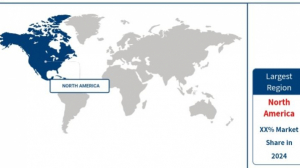
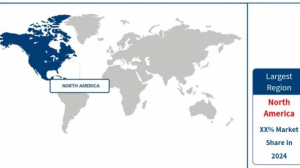
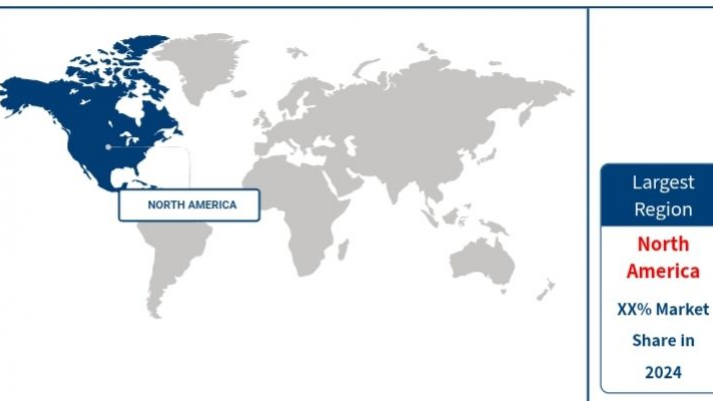
Regionally, North America continues to represent a mature yet innovation-driven market, supported by strict emission norms, replacement of aging boiler infrastructure, and strong investments in energy-efficient food processing technologies. Europe follows closely, benefiting from aggressive decarbonization policies, government incentives for high-efficiency industrial heating systems, and widespread adoption of condensing technologies across dairy, bakery, and beverage processing facilities. Asia Pacific is emerging as the fastest-growing regional market, fueled by rapid industrialization, expansion of food and beverage manufacturing hubs, and rising investments in modern thermal equipment across China, India, and Southeast Asia.
From a segmentation perspective, the natural gas segment accounted for 49.5% of market share in 2025, owing to its relatively lower carbon emissions, stable supply infrastructure, and compatibility with condensing boiler designs. Additionally, the 25–50 MMBTU/hr capacity segment dominated the market with a 31.2% share, as this capacity range is well-suited for mid- to large-scale food processing facilities requiring consistent steam output for cooking, sterilization, drying, and pasteurization operations.
Request Free Sample Report @ https://www.fundamentalbusinessinsights.com/request-sample/8562
Top Market Trends Shaping the Industry
Rising Focus on Energy Efficiency and Heat Recovery: Food processing companies are increasingly investing in condensing boilers to reduce fuel consumption and operational costs. These systems achieve higher thermal efficiencies by capturing and reusing waste heat, aligning with corporate sustainability goals and regulatory compliance requirements.
Integration of Smart Controls and Automation: Digitalization is transforming boiler operations in food processing plants. Advanced monitoring systems, IoT-enabled controls, and predictive maintenance solutions are being integrated into condensing boilers to optimize performance, improve safety, and minimize downtime.
Shift Toward Low-Emission Fuel Sources: The dominance of natural gas-fired condensing boilers reflects the broader industry shift toward cleaner fuel options. Food manufacturers are prioritizing fuels that support emission reduction targets while maintaining reliable and scalable steam generation.
Expansion of Processed and Packaged Food Production: Growing urbanization, changing dietary preferences, and increased demand for ready-to-eat food products are driving investments in new food processing facilities. This expansion directly supports demand for efficient boiler systems capable of meeting stringent hygiene and temperature control standards.
Request Free Sample Report @ https://www.fundamentalbusinessinsights.com/request-sample/8562
Recent Company Developments
Leading manufacturers in the condensing food processing boiler market are actively focusing on product innovation, regional expansion, and sustainability-driven upgrades. Companies such as Bosch Industriekessel, Viessmann Group, Cleaver-Brooks, Babcock & Wilcox, Fulton Boiler Works, Thermax Limited, Miura Boiler, and Hurst Boiler & Welding have introduced advanced condensing boiler models tailored for food-grade applications.
Over the past 12 months, several players have launched high-efficiency boilers with improved corrosion-resistant heat exchangers designed to handle condensate recovery in food processing environments. Strategic investments in digital boiler management platforms and service-oriented offerings, including remote monitoring and lifecycle maintenance contracts, have also gained traction.
Additionally, manufacturers are strengthening their regional footprints through partnerships with local distributors and EPC contractors, particularly in Asia Pacific and Latin America. These initiatives aim to address growing demand for compact, modular boiler systems that can be rapidly deployed in expanding food production facilities.
Request Free Sample Report @ https://www.fundamentalbusinessinsights.com/request-sample/8562
Related Reports
Automotive 3D Map System Market
Dry Marine Scrubber Systems Market