Antibacterial Glass Market Overview
The Antibacterial Glass Market has emerged as a critical material segment supporting infection control, hygiene compliance, and surface safety across healthcare, consumer electronics, commercial infrastructure, and public spaces. Antibacterial glass is engineered with antimicrobial agents—most prominently silver ions—that actively inhibit bacterial growth on glass surfaces. As global awareness of healthcare-associated infections (HAIs), hygiene regulations, and post-pandemic sanitation standards intensifies, antibacterial glass is increasingly being adopted as a functional and preventive solution rather than a premium add-on.
Demand is being shaped by hospitals, laboratories, transportation hubs, food processing facilities, and smart buildings where high-touch surfaces pose contamination risks. Technological advancements in ion-exchange coatings, durable antimicrobial formulations, and transparent integration are further strengthening the commercial viability of antibacterial glass across diverse end-use industries.
Request Free Sample Report @ https://www.fundamentalbusinessinsights.com/request-sample/11014
Market Outlook and Forecast
The antibacterial glass market is positioned for sustained expansion, driven by regulatory pressure for hygiene compliance, increased hospital infrastructure investments, and the growing incorporation of antimicrobial materials into architectural and electronic designs. In 2025, the market size stood at USD 313.64 million, reflecting rising penetration across medical and public environments. By 2035, the market is projected to reach USD 652.46 million, underpinned by consistent adoption across both developed and emerging economies.
The growth forecast for the period from 2026 to 2035 indicates a steady expansion rate of 7.6%, supported by strong institutional demand, long replacement cycles, and increasing awareness of surface-borne infection risks. Unlike disposable antimicrobial solutions, antibacterial glass offers long-term efficacy and low maintenance, making it an attractive investment for large-scale infrastructure projects.
Regional Performance Highlights
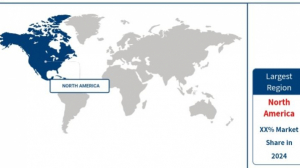
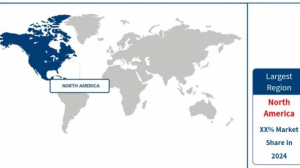
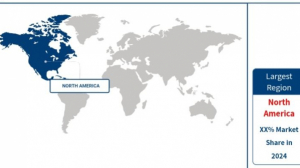
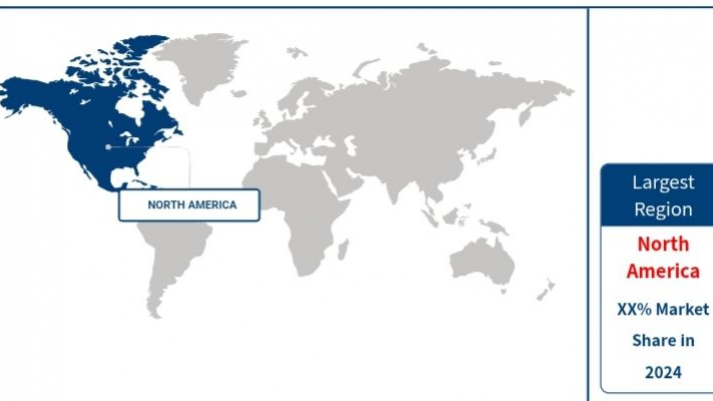
• North America: North America represents a mature and technology-driven market, supported by stringent healthcare regulations, advanced hospital infrastructure, and early adoption of antimicrobial materials. The region benefits from strong R&D ecosystems and high spending on patient safety and smart healthcare facilities.
• Europe: Europe’s market growth is shaped by sustainability mandates, infection control protocols, and modernization of public transport and healthcare facilities. Countries across Western Europe are integrating antibacterial glass into architectural standards for public buildings, laboratories, and elder-care facilities.
• Asia Pacific: Asia Pacific is witnessing accelerated adoption due to expanding healthcare capacity, rising urbanization, and government investments in hospital construction. Growing middle-class populations and increased awareness of hygiene standards are driving demand across China, Japan, South Korea, and India.
Market Segmentation Analysis
• Segment 1 – Silver-Based Antibacterial Glass: The silver segment dominated the market with a commanding 93.94% revenue share in 2025. Silver ions are widely recognized for their broad-spectrum antimicrobial efficacy, durability, and compatibility with glass substrates. Their ability to deliver long-lasting antibacterial performance without compromising transparency makes them the preferred choice across medical and commercial applications.
• Segment 2 – Hospitals End-Use Segment: The hospitals segment accounted for 49.34% market share in 2025, driven by stringent infection control requirements and high exposure to pathogens. Antibacterial glass is increasingly deployed in ICU windows, operating rooms, doors, partitions, and touch panels to reduce microbial transmission and support patient safety protocols.
Request Free Sample Report @ https://www.fundamentalbusinessinsights.com/request-sample/11014
Top Market Trends
1. Integration of Antibacterial Glass in Healthcare Infrastructure Hospitals and healthcare facilities are increasingly embedding antibacterial glass into new construction and renovation projects. From patient room partitions to nurse station panels and diagnostic equipment displays, antimicrobial glass is being standardized as part of infection prevention strategies. This trend is reinforced by hospital accreditation requirements and heightened scrutiny of surface hygiene.
2. Expansion into Consumer Electronics and Smart Displays Manufacturers of smartphones, tablets, kiosks, and interactive displays are exploring antibacterial glass as a value-added feature. High-touch screens in public and commercial environments benefit from antimicrobial surfaces that enhance user confidence and reduce cleaning frequency. This trend aligns with the broader movement toward hygienic and smart surface technologies.
3. Architectural Adoption in Public and Commercial Buildings Antibacterial glass is gaining traction in airports, metro stations, shopping malls, and office complexes where footfall density is high. Architects and developers are incorporating antimicrobial glazing into design specifications to improve occupant safety and meet evolving building health standards.
4. Advancements in Coating Durability and Transparency Ongoing innovations are improving the longevity and optical clarity of antibacterial coatings. Manufacturers are investing in advanced ion-exchange processes and embedded antimicrobial layers that maintain effectiveness over extended lifecycles, even under frequent cleaning and environmental exposure.
Request Free Sample Report @ https://www.fundamentalbusinessinsights.com/request-sample/11014
Recent Company Developments
The antibacterial glass market is characterized by a mix of global glass manufacturers, specialty material companies, and technology-focused innovators. In the past 12 months, several companies have expanded capacity, enhanced product portfolios, and entered strategic collaborations to strengthen market positioning.
• AGC Inc.: Expanded its antimicrobial glass offerings for healthcare and architectural applications, focusing on enhanced durability and long-term ion activity.
• Saint-Gobain: Invested in R&D programs aimed at integrating antibacterial properties into multifunctional glazing solutions for hospitals and public buildings.
• NSG Group: Strengthened partnerships with healthcare infrastructure developers to supply antibacterial glass for large-scale hospital projects.
• Corning Incorporated: Continued innovation in specialty glass formulations, targeting antimicrobial display glass for electronics and public interfaces.
• Guardian Glass: Introduced antimicrobial glass solutions designed for commercial interiors and high-traffic environments.
• Nippon Sheet Glass: Focused on expanding its presence in Asia Pacific by aligning antibacterial glass production with regional healthcare growth.
• Asahi Glass Co.: Advanced its coating technologies to improve antimicrobial efficacy while maintaining optical performance.
• Schott AG: Leveraged its expertise in specialty glass to deliver antibacterial solutions for medical devices and laboratory environments.
Request Free Sample Report @ https://www.fundamentalbusinessinsights.com/request-sample/11014
Related Reports
• Telecom Power Systems Market
• E-commerce Software Market