Download

1 / 68
0 likes | 6 Views
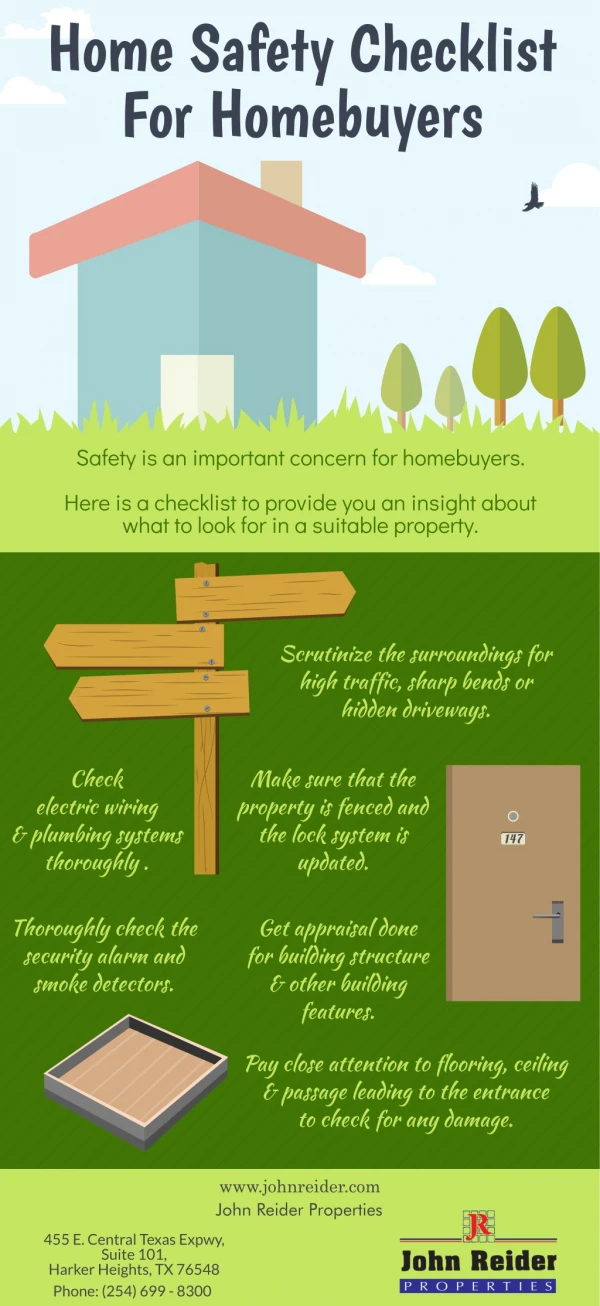
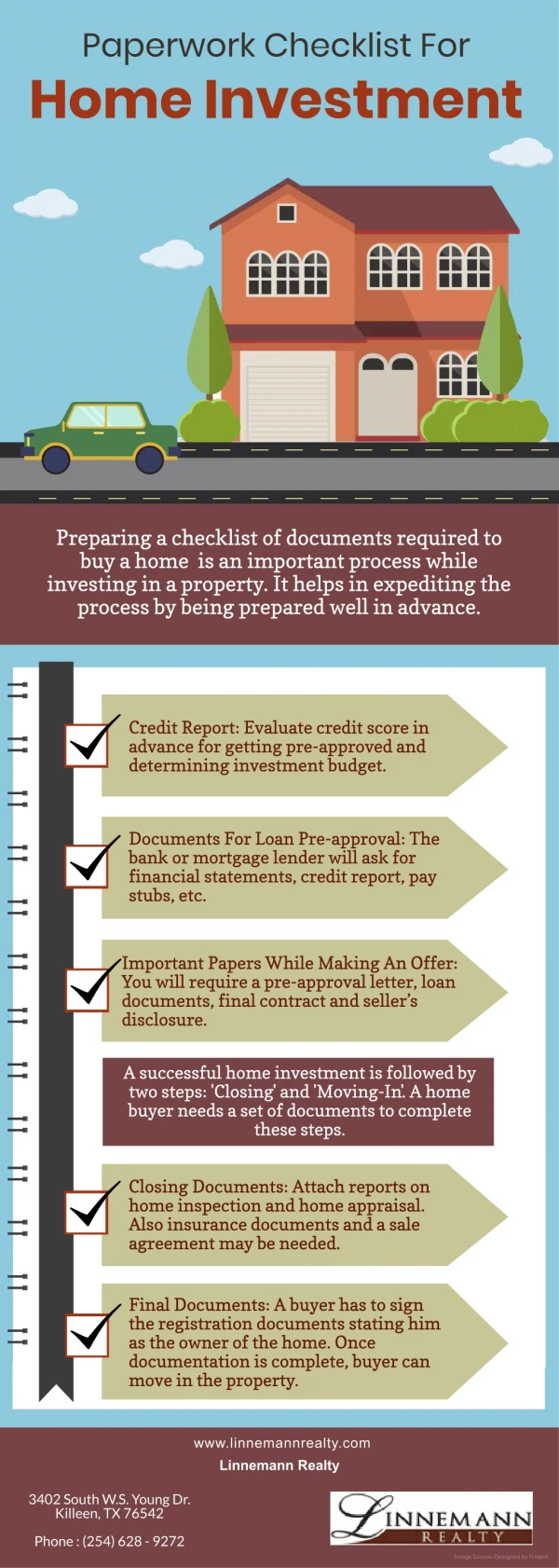
Exclusively meant for homebuyers, KnowHomeu2122 is a comprehensive and informative home buying guide with checklist developed by real estate experts.

E N D
HOME BUYING CHECK LISTS Know Home
KNOWHOME Your Guide to Informed Home Buying 6 Easy Steps to Use the App Step 1 - Open the KnowHome App Step 2 - Explore Different Topics Step 3 - Choose Your Topic of Interest & Read Detailed Descriptions Step 5 - View Your Shortlisted Checklist Points Step 4 - Make a Personal Checklist with Points Important for You Step 6 - Learn About Key Real Estate Terms
CONTENT Legal & Documentation • Construction Approvals • Home Buying Costs • Key Clauses in Sale Agreement 06 09 11 Home Loans • Preparation • Key Documents • Eligibility Checks • Application Process 14 16 19 21 Project Planning • Master Plan • Floor Plan • Health & Liveability • Safety & Security • Privacy 24 26 27 29 30 Internal Unit Design • Sample Flat/Mock-up • Kitchen • Bedroom • Washroom • Utility Area • Balcony/Terrace 32 34 36 38 41 43 Other Important Checks • Location Checks • First Conversation FAQs • Checking Builder’s Reputation • Buying Second-hand Home Glossary 45 48 50 51 53
LEGAL & DOCUMENTATION In the process of purchasing a home, navigating the legal and documentation requirements is paramount to ensuring a smooth and secure transaction. Understanding the legal intricacies and necessary documentation will empower you to make informed decisions, safeguarding your interests and investments. From important clauses to costs, get comprehensive insights and guidance to navigate the legal landscape of home buying with confidence and clarity.
Know Home CONSTRUCTION APPROVALS PROJECTS P1 P2 P3 CONSTRUCTION APPROVALS • Official Demarcation Government-marked property boundaries to ensure developers build within their land, preventing encroachment disputes. # # # • Zoning Demarcation City development plans designate zones for various activities, and zoning demarcation ensures projects align with these plans. # # # • Change of Land Use Approval Land designated for agriculture may need conversion approval for residential or commercial use before construction. # # # • Environmental Clearance SEAC clearance ensures project compliance with environmental regulations, preventing harmful impact. # # # • Water Department NOC Confirms adequate water supply and disposal mechanisms. # # # • Electricity Department NOC Ensures project has electrical connections and meets safety standards. # # # • Tree-cutting Department NOC Indicates permission to cut or transplant trees, as and if required. # # # • Fire Department NOC Validates that the project adheres to fire safety norms. # # # • Aviation Clearance NOC Clearance from the aviation department for high-rise buildings ensuring no obstruction to flight paths. # # # 06
Know Home CONSTRUCTION APPROVALS PROJECTS P1 P2 P3 CONSTRUCTION APPROVALS • Railways NOC Adjacent properties to railway tracks may require an NOC from the railway department. # # # • Groundwater Authority NOC For groundwater extraction or borewell establishment, developers may need clearance from the groundwater authority. # # # • Pollution Control Board NOC For projects that may produce effluents or pollution, clearance from the pollution control board is mandatory. # # # • Forest Department NOC Construction near forest areas requires clearance to prevent encroachment or harm to the forest ecosystem. # # # • Lift Installation NOC Some municipalities require a separate NOC for installing lifts, ensuring that they are up to safety standards. # # # • Coastal Regulation Zone (CRZ) Clearance Necessary for properties near coastal areas to ensure construction doesn't violate coastal protection guidelines or ecosystem. # # # • Heritage Committee Approval Projects near heritage sites may require clearance to prevent adverse effects on protected structures or areas. # # # • Archaeological Survey of India (ASI) Clearance This is required if the construction is near monuments or archaeological sites of national importance. # # # 07
Know Home CONSTRUCTION APPROVALS PROJECTS P1 P2 P3 CONSTRUCTION APPROVALS • Layout Plan Approval as per Approved FSI FSI (Floor Space Index) indicates allowable construction area on a plot. Approval ensures layout adheres to FSI limits. # # # • Commencement Certificate The certificate is granted after laying the building's foundation, signaling legal readiness for construction. # # # • RERA Registration Certificate The certificate confirms project registration under the RERA Act, ensuring legal safety for buyers. # # # • Completion Certificate The municipal certificate that confirms building compliance with approved plans and local laws. # # # • Occupancy Certificate Post-construction, this certificate confirms the building's safety and readiness for occupancy, indicating compliance with statutory norms for resident safety. # # # 08
Know Home HOME BUYING COSTS PROJECTS P1 P2 P3 HOME BUYING COSTS • Loading of Saleable to Carpet Area Saleable area includes shared spaces; usable area refers to living space. Ask about the loading factor used to calculate saleable area from carpet area. # # # • Basic Rate The cost per square foot/meter of the property is the initial factor for calculating the overall property price. # # # • Preferential Location Charges (PLC) Ask about additional charges for units with preferred locations like amenity views or corner flats. # # # • Floor Rise Charges These charges apply to higher floors in apartments, reflecting better views, less noise, and reduced pollution. # # # • Parking Space Charges It's the cost of securing a parking spot, varying by location (covered, open, basement) and size (single, double). # # # • Utility Charges One-time charges for setting up electricity, water, and other utility connections in the new property. # # # • Brokerage Fee Real estate agents charge a fee, typically a percentage of the property's sale price, for facilitating the sale. # # # • Cancellation Charges Home buyers may incur cancellation charges as per the developer's pre-decided terms if they cancel their purchase after booking. # # # 09
Know Home HOME BUYING COSTS PROJECTS P1 P2 P3 HOME BUYING COSTS • Stamp Duty Charges It's a government tax on property transactions, with rates varying based on property value, location, and type. # # # • GST (Goods and Services Tax) Charges In India, GST (1-5%) is liable on under-construction properties like flats, apartments, bungalows, and developable land. # # # • Registration Charges Registration charges are a percentage of the property value or a fixed amount, varying by State and subject to change over time. # # # • Property Tax Costs It is a recurring annual tax based on the property's value, paid to the local municipal or governmental authority. # # # • Property Insurance Costs Premiums for insuring the property against damages from natural calamities, theft, or other incidents. # # # • Extra Work/Modification Charges Additional charges for specific modifications or extra fittings not included in the standard offering. # # # • Maintenance Charges Regular fees for maintaining common areas, security, cleaning, and services in apartment complexes or gated communities. # # # • Maintenance Corpus or Sinking Fund Corpus The sinking fund, or maintenance corpus, is reserved for long-term repairs and replacements, separate from maintenance charges. # # # 10
Know Home KEY CLAUSES IN SALE AGREEMENT PROJECTS P1 P2 P3 KEY CLAUSES IN SALE AGREEMENT • Description of Project and Apartment The agreement specifies the project's location, dimensions, and crucial details about the apartment. # # # • Details of Owners, Co-owners, and KYC The agreement lists owner(s) and co-owner(s) with necessary verification details for legitimacy and transparency. # # # • Disclaimer Stating that the Property Title is Clear and Free from Legal Encumbrances This clause confirms no legal claims or disputes on the property for a smooth ownership transfer. # # # • Construction Finance Details This clause provides the lending bank's details, aiding in understanding the project's financial standing. # # # • Value of the Property & Payment Schedule The agreement lists the property's total price and payment schedule for clarity on financial commitments. # # # • Possession Date as per Commitment during Booking Clearly mentions the promised date of possession, setting clear expectations for the buyer. # # # • The Right to Abort the Deal and Cancellation Charges Outlines the circumstances under which a party can terminate the agreement and the associated penalties or charges. # # # • Penalty Clause and Interest Charges for Delay in Payment Specifies charges or penalties imposed if the buyer delays payments as per the agreed schedule. # # # 11
Know Home KEY CLAUSES IN SALE AGREEMENT PROJECTS P1 P2 P3 KEY CLAUSES IN SALE AGREEMENT • Compensation for Delay in Delivery The agreement outlines compensation if the developer misses the promised possession date. # # # • Clause Regarding Alteration and Modifications Outlines whether changes or modifications can be made to the property's layout or structure and the procedures to follow. # # # • Unit Plan Attached in Annexure An attached detailed plan of the unit, which acts as a reference for the property's layout, dimensions, and features. # # # • Common Maintenance Charges and Period of Maintenance Specifies maintenance charges for common areas and amenities and duration of developer responsibility before transfer. # # # • Defect Liability Period The timeframe during which the developer is responsible for repairing any construction defects post-possession. # # # • Formation of Society and Conveyance Process and timeline for forming the housing society or association and the transfer of ownership of common areas. # # # • Force Majeure Circumstances Outlines unforeseen circumstances like natural disasters and their implications on contract fulfillment. # # # 12
HOME LOANS Understanding home loans is essential for your home buying journey, streamlining the process and ensuring it aligns with your financial goals. With insights into different loan options, you can make informed decisions tailored to your needs. Our experts at KnowHome stress the importance of this knowledge, enabling you to choose the most suitable loan option to manage your finances and fulfil your homeownership dreams.
Know Home PREPARATION PROJECTS P1 P2 P3 PREPARATION • Loan Amount and EMI Calculate the loan amount needed and assess affordable EMI based on monthly income and expenses. # # # • Interest Rates Understand if the loan is fixed-rate, which stays constant, or floating-rate, which varies with market conditions. # # # • Loan Tenure Loan tenure impacts your EMI and total interest. Longer tenure means lower EMIs but higher total interest. # # # • Down Payment Check standard down payment for home loan: 20% of property value. Per RBI, lenders offer 80% of property value for loans over Rs. 30 lakh. # # # • Processing Fee and Other Charges Understand initial expenses including processing, application, administrative fees, and any other charges. # # # • Prepayment and Foreclosure Norms Verify if there are penalties for prepayment or foreclosure of the loan. # # # • Loan Disbursal Time and Procedure The home loan process has 3 phases: Application, Sanction, Disbursement. A sanction letter typically takes 3-4 weeks for approval. # # # • Credit Score Impact A Credit Score 750+ helps meet Home Loan eligibility and negotiate better deals for loan approvals. # # # 14
Know Home PREPARATION PROJECTS P1 P2 P3 PREPARATION • Tax Benefits Tax savings depend on factors like loan amount, interest rate, tax slab. Check interest deductions under Section 24 and Section 80C. # # # • Insurance Home loan insurance can help prevent financial burdens on your dependents in case of an accident or death. # # # • Loan Agreement A home loan agreement details loan terms, default consequences, and penalties for bounced cheques and late EMI payments. # # # • Balance Transfer Facility Transferring your home loan to a lender with a lower interest rate can save you money, but consider associated costs and terms. # # # • Customer Service and Lender's Reputation A lender's customer service reputation and support during the loan term are essential factors to consider. # # # • Inflation and Interest Rate Fluctuations Inflation and interest rates are inversely related. When choosing a floating interest rate, consider macroeconomic factors that can affect loan terms. # # # 15
Know Home KEY DOCUMENTS PROJECTS P1 P2 P3 KEY DOCUMENTS • Duly Filled Home Loan Application Form A completed application form with a photo is crucial for the loan process, including personal, income, and property details. # # # • KYC Documents - Identity & address Proof Official documents like a passport, PAN card, voter ID, or driver's license are used to verify the borrower's identity, address, and age. # # # • Income Documents - Salaried For employed individuals, required documents may include recent salary slips, Form 16, and bank statements with salary credits. # # # • Income Documents - Self-employed Self-employed individuals, income verification may need P&L statements, balance sheets, tax returns, and bank statements. # # # • Bank Statements Detailed bank statements for the last six months are required to assess financial stability and cash flow. # # # • Credit Report A report from a credit bureau that shows the credit history and credit score of the applicant. # # # • Employment Contract/Appointment Letter Salaried employees may need the original employment contract or offer letter if their current job is recent. # # # • Business Existence Proof To prove legitimacy of business, docs such as business registration licenses, GST registration, or partnership deeds may be needed. # # # 16
Know Home KEY DOCUMENTS PROJECTS P1 P2 P3 KEY DOCUMENTS • Investment Proof Information on additional investments like FDs, shares, and mutual funds may be necessary to assess financial status. # # # • Property Documents Documents required may vary but typically include sale deed, NOC, possession letter, property registration receipt, municipal tax receipt, approved building plans, and letter of allotment for ready or under-construction properties. # # # • Sale Agreement of the Property A documented agreement of the sale transaction between the buyer and the seller. # # # • NOC from Society/Builder If applicable, an NOC that there are no dues outstanding and the society/ builder has no objection to the mortgage may be required. # # # • Property Appraisal Report A report from an evaluator appointed by the lender assessing the market value of the property in consideration. # # # • Previous Loan Details If the applicant has any existing loans, then details and statements of these loans need to be provided. # # # • Educational Qualifications Certificates Some lenders may ask for educational certificates, especially for self-employed individuals, to verify their qualifications. # # # • Income Tax Returns/Assessment Orders Income tax returns typically for the last two or three years, to assess the income history of the applicant. # # # 17
Know Home KEY DOCUMENTS PROJECTS P1 P2 P3 KEY DOCUMENTS • Relationship Proof For co-applicants like spouses or family members, proof of relationship may be necessary. # # # • Post-Dated Cheques Some lenders may ask for post-dated cheques for the EMI payments in advance. # # # • Processing Fee Cheque A cheque may be required for the processing fee which covers the preliminary expenses of the loan application process. # # # • Loan Account Statement For balance transfer cases, a statement from the existing lender showing the loan account statement is necessary. # # # 18
Know Home ELIGIBILITY CHECKS PROJECTS P1 P2 P3 ELIGIBILITY CHECKS • Assessing Financial Records for Income Stability Banks evaluate income stability by reviewing employment history, employer reputation, and income growth potential. # # # • Assessing Financial Records for Existing Liabilities Current debts like car loans, personal loans, and credit card debt are assessed to determine the debt-to-income ratio. # # # • Assessing Financial Records for Savings and Assets Banks review savings accounts, investments, and assets to assess collateral or financial stability. # # # • Credit History Lenders examine the applicant's loan and credit card repayment history to assess borrower reliability. # # # • Credit Score A high credit score signals a low-risk borrower. Banks assess credit reports to review repayment behavior and credit history. # # # • Income-to-Loan Ratio Banks use FOIR to assess existing EMI commitments and available income for the applied home loan. # # # • Applicant's Age Applicant's age at application and end of loan tenure can affect eligibility, with banks preferring repayment before retirement. # # # • Stability of Profession Applicants with stable careers are preferred, as they’re more likely to have a consistent income to pay EMIs. # # # 19
Know Home ELIGIBILITY CHECKS PROJECTS P1 P2 P3 ELIGIBILITY CHECKS • Employer Standing Being employed with a well-reputed organization can positively influence eligibility as it suggests job security. # # # • Work Experience Banks often look for a steady professional history with a few years of work experience. # # # • Marital Status Marital status may influence one's loan eligibility since it may affect already existing or anticipated financial commitments. # # # • Number of Dependents More dependents might reduce repayment capacity in the bank's view. # # # • Co-applicants Adding a co-applicant can enhance the loan eligibility, especially if the co-applicant has a steady income and a good credit score. # # # • Property Value Banks verify property to assess market value and offer loans based on a percentage of the property's worth (Loan to Value ratio). # # # • Clear Title Ensuring that the property has a clear title and is free from legal tangles is a part of the eligibility check. # # # • Educational Background A higher educational qualification can be a favourable indicator for the banks. # # # 20
Know Home APPLICATION PROCESS PROJECTS P1 P2 P3 APPLICATION PROCESS • Assess Your Financial Health (a) Check Your Credit Score (b) Calculate Affordable Loan Amount (c) Determine Down Payment Amount # # # • Research Potential Lenders (a) Compare Interest Rates (b) Review Loan Terms (c) Check Customer Reviews # # # • Gather Necessary Documentation Gather required documents: ID, address, income proof, property papers, and additional items as per lender instructions. # # # • Get Pre-Approval Pre-approval, optional yet advised, provides loan eligibility insight and signals commitment to sellers. # # # • Apply for the Loan (a) Submit Application and Documents (b) Pay Processing Fee # # # • Verification and Loan Sanction (a) Document Verification: Authentication of submitted documents. (b) Credit Appraisal: Evaluation of finances, creditworthiness, and property. (c) Loan Sanction: Issuance of approval letter with loan details. # # # • Property Verification and Appraisal ((a) Legal Check: Property legal verification and document review. (b) Technical Valuation: Property inspection by experts for value assessment. # # # 21
Know Home APPLICATION PROCESS PROJECTS P1 P2 P3 APPLICATION PROCESS • Loan Approval If the property is legally and technically clear, the loan will be approved by the lender. # # # • Loan Agreement and Disbursement (a) Sign Agreement: Agree to home loan terms after thorough understanding. (b) Disbursement: Loan amount released upon agreement and document submission; for ongoing projects, payment may be staged. # # # • Registration and Post-Disbursement Formalities (a) Register Property: Complete property registration at local registrar's office. (b) Submit Original Documents: Provide registered property documents to lender as loan security. (c) Start EMIs: Begin scheduled EMI payments as agreed. # # # • Service and Closure (a) Ongoing Support: Lender offers statements and services during loan tenure. (b) Loan Closure: After full repayment, obtain no-dues certificate and property documents from lender. # # # • Additional Considerations (a) Tax Benefits: Learn about tax advantages on home loan repayments. (b) Insurance: Some lenders mandate life and property insurance before loan disbursement. # # # 22
PROJECT PLANNING Ensuring a comfortable and happy living environment is at the heart of every homebuyer's journey. Thus, examining the project plan becomes not just important, but essential. It's the blueprint for your future home, dictating everything from layout to amenities. Assessing elements like master planning, safety, security, liveability guarantees that your potential home meets your needs, fostering a space where you can thrive and create lasting memories.
Know Home MASTER PLAN PROJECTS P1 P2 P3 MASTER PLAN • Master Plans Compare master plans in marketing collateral and RERA submissions for any changes. # # # • Adjacent Plot and Height of Surrounding Buildings Evaluate nearby plots or tall buildings for privacy, light, air, and views now and in the future. # # # • Building and Green Coverage Prioritize open spaces over buildings for lower density. Ask about tree coverage and project density. # # # • Phase-Wise Development Confirm phase-wise development. Inquire about impacts on amenities, common areas for each phase. # # # • Total Parking Footprint Ask about parking to ensure it's sufficient, safe, and convenient for the project and buildings. # # # • Circulation of Pedestrians, Vehicles and Services Map pedestrian and vehicle flow, prioritizing safety. Check for hazards like overlapping traffic. # # # • Mandatory Amenity Areas, Open Spaces and Reserved Spaces Ask about all spaces' location, size in master plan. Consider impact on chosen building, unit, lifestyle. # # # • Presence of Age-Appropriate Amenities for All Family Members Check the indoor/outdoor amenities for diverse age groups. # # # • Configuration of Units Available in the Project Understand building configurations, orientations, entry/exit points, footprints, and positioning. # # # 24
Know Home MASTER PLAN PROJECTS P1 P2 P3 MASTER PLAN • Distance between the Adjacent Buildings and their Orientations Conduct detailed orientation study: adj. building distance (1:1 height), building direction, floors, major openings. Assess light, privacy, access, views, ventilation. # # # • Water Storage, Supply and Drainage Facilities Understand water infrastructure for supply, conservation, drainage for convenient living. # # # • Location of STPs, Gen-Set, OWC, Water Tanks, Solar Understand the locations of the services with respect to the buildings. # # # • Proximity, Noise and Activity Levels Ask about amenities and zone segregation to gauge nearby activity levels. # # # 25
Know Home FLOOR PLAN PROJECTS P1 P2 P3 FLOOR PLAN • Total Carpet Area and Dimensions of Each Room Note floor plan overlaps; for example, passages overlapping with bedrooms. "Carpet area" includes these overlaps, showing total carpet-covered space, not just individual rooms. # # # • Individual Room Layout and Design Examine and visualize room layouts, directions, and interconnections throughout the unit. # # # • Structural Members and Column/Beam Offsets Evaluate structural members for room offsets, furniture placement, and future customization. # # # • Dimensions of Unutilized Areas Review size and dimensions of dead spaces like long passages and corners, for efficient utilization. # # # • Direction and Influx of Sunlight and Fresh Air Inquire about door, window dimensions, width, opening direction, radius, and schedule. # # # • Plumbing Provisions Verify location of facilities like sinks, toilets, and plumbing provisions for appliances near water inlets/outlets. # # # • Electrical Outlets Verify standard symbols for electrical components like duplex outlets, switches, lights, fans, and their accessibility. # # # 26
Know Home HEALTH & LIVEABILITY PROJECTS P1 P2 P3 HEALTH & LIVEABILITY • Use of Green Construction Practices, if any Green construction enhances home environment: energy efficiency, sustainability, well-being. # # # • Presence of Green Cover Green cover and open spaces foster a serene environment for physical and mental wellness, and community. # # # • Interaction Spaces for Diverse Age Groups Varied common spaces for all ages in the project promote community and well-being. # # # • Design of Common Areas Well-designed common areas are crucial for daily convenience, social interaction, and community engagement. # # # • Landscaping and Design Thoughtful landscaping elevates project aesthetics, functionality, and living experience. # # # • Robust Visitor Management System A robust visitor management system ensures improved security, privacy, and safety. # # # • Energy-Efficient Buildings and Design Energy-efficient buildings cut future utility costs and reduce environmental impact. # # # • Project Safety and Security Verify if safety features like privacy, well-lit spaces, secure entry points, and surveillance systems are integrated into the project's architectural planning. # # # 27
Know Home HEALTH & LIVEABILITY PROJECTS P1 P2 P3 HEALTH & LIVEABILITY • Influx of Natural Light Ample natural light boosts ambiance, aesthetics, energy efficiency, and health in project areas. # # # • Flow of Air and Good Ventilation Strategic openings, cross-ventilation, and efficient air circulation maintain fresh air flow in project areas. # # # • Garbage Management System Knowing future garbage management provisions is vital for convenience, cleanliness, hygiene, odor control, and effective waste management. # # # • Use of Sustainable Energy Asking about sustainable energy sources is key for cost savings, environmental responsibility, and a conscious lifestyle. # # # 28
Know Home SAFETY & SECURITY PROJECTS P1 P2 P3 SAFETY & SECURITY • Entry and Exit Provisions for Vehicles and Pedestrians Understanding entry/exit for vehicles and pedestrians ensures accessible, safe common areas and project premises. # # # • Vehicle and Parking-Free Podium and Amenity Areas Vehicle-free podiums and amenities ensure pedestrian safety. Verify any vehicular-pedestrian traffic overlap for safety. # # # • Load Capacity and Built of the Elevators Ask about elevator load capacity, construction for safety, reliability, and compliance. # # # • Fire Safety Provisions Verify fire safety measures like extinguishers, smoke detectors, and emergency exits in the project design. # # # • Safety Features in Owner and Visitor Parking Confirm well-lit spaces, clear pathways, secure infrastructure for enhanced safety, reduced risks for residents/visitors. # # # • In-Home Security Prioritize sturdy doors, digital locks, CCTV, window security, and safe balcony designs for a secure living environment. # # # 29
Know Home PRIVACY PROJECTS P1 P2 P3 PRIVACY • Arrangement and Orientation of Buildings in the Project Verify building arrangement, orientation, line of sight, entrance door direction, balconies/windows, and proximity to neighbors. # # # • Portion of House Visible to a Visitor from the Entrance Door Check how much of the living space is visible from outside. Limited view enhances privacy. # # # • Distance between the Buildings (Height : Distance = 1:1) Evaluate the distance between buildings, aiming for a 1:1 height-to- distance ratio to minimize visual intrusionand enhance personal space. # # # • Distance between Houses on the Same Floor Greater distance between houses enhances privacy by reducing visibility and noise. # # # • Presence of Private Alleyway/Foyer Space at the Entrance Verify the presence of a private alleyway or foyer space at the entrance. This area provides a sense of separation, shielding from visibility and noise. # # # • Visibility from and to the Different Rooms Ensure limited visibility, particularly in more private areas like bedrooms. # # # • Design and Location of the Outdoor Spaces in the House Check balcony placement to create private space by blocking neighboring views. # # # 30
INTERNAL UNIT DESIGN Thoroughly assessing the internal unit design is essential for homebuyers as it shapes the overall living experience. A well-designed home promotes comfort, functionality, and enjoyment in every corner. Ensuring that the internal spaces are well-designed guarantees a home that not only meets practical needs but also enriches the quality of life, making it a place where one can truly thrive and find joy.
Know Home SAMPLE FLAT/MOCK-UP PROJECTS P1 P2 P3 SAMPLE FLAT/MOCK-UP • Location, Floor Level, Unit Plan Design and Orientation of Sample Flat During the sample flat tour, assess your chosen unit's location, floor level, accessibility, natural light, unit plan design, and orientation to match your lifestyle. # # # • Dimensions of the Sample Flat Compare sample flat dimensions with your existing house to visualize layout and assess if the new property meets your spatial needs. # # # • Mentioned Specifications: Brochure and Plan Compare brochure specs with the layout plan to ensure accuracy. This verifies the actual sample flat features, ensuring transparency. # # # • Unobstructed Internal Circulation Check for ample space between furniture, clear pathways, and well-placed doorways to ensure easy navigation and comfort in daily living, maximizing space usability. # # # • Actual Floor to Ceiling Height Verify the floor-to-ceiling height of the sample flat to ensure it suits your needs for fans, lighting, or tall furniture, clarifying spatial volume and comfort. # # # • Types of Walls and Partitions Examine the walls and partitions in the sample flat for material, thickness, and quality to assess sound insulation and customization options for future renovations. # # # • Quality of the Tiles Inspect tile quality in the sample flat for material, finish, and craftsmanship to ensure durability and suitability for floors, walls, and washrooms. # # # 32
Know Home SAMPLE FLAT/MOCK-UP PROJECTS P1 P2 P3 SAMPLE FLAT/MOCK-UP • Size of the Furniture Placed Observe furniture size in the sample flat to assess comfort and functionality. This helps visualize how your furniture may fit and function in the home layout. # # # • Make and Size of Kitchen Platform Check the kitchen platform in the sample flat for cooking space and storage. This ensures it meets your needs and preferences. # # # • Sanitary Accessories and Appliances Check the sanitary accessories and appliances and confirm the quality and functionality of the fixtures. # # # • Electrical Points and Plumbing Fittings Verify the adequacy and proper installation of electrical points and plumbing fittings. This ensures functionality, safety, and meeting your power and water supply needs. # # # • Furniture, Light Fixtures and Fittings Take note of the size, style and type of the furniture, light fixtures, and fittings in the sample flat, determining the overall aesthetics and functionality. # # # • Light, Ventilation and External Views Evaluate lighting, ventilation, and external views from the sample flat to match your preferences and enhance your living environment. # # # • Interior Décor Possibilities Exploring textured walls, modular kitchens, artwork, and décor in the sample flat inspires future design possibilities. It helps envision enhancements and personalization possible. # # # 33
Know Home KITCHEN PROJECTS P1 P2 P3 KITCHEN • Location of the Kitchen with respect to the Layout Ensure that the kitchen is located close to the entry door, the living room, or the dining area, as per your preference. # # # • Size of the Kitchen Check if the kitchen is spacious and can accommodate all the essential appliances you need. The space should be adequate for daily as well as occasional needs. # # # • Type of the Kitchen – Open, Closed Or Semi-Open Evaluate the kitchen design and planning closely to ensure it aligns with your cooking style, need for interaction, privacy, comfort and family preference. # # # • Visibility to and from the Kitchen The kitchen's location should prioritize both access to outside views, through a door or window, as well as privacy. # # # • Proximity to Dining Area and Utility Area A kitchen near the dining area simplifies entertaining, while an accessible utility area keeps supplies handy. Check their proximity for convenience. # # # • Influx of Natural Light and Ventilation Verify if the kitchen design allows ample natural light and good airflow to minimize odors and reduce electricity usage. # # # • Platform Dimensions Ensure the kitchen platform fits your preferences and needs in shape, size, height, and depth, ensuring functional design. • Platform Material The platform material should be aesthetic, durable, easy to maintain and wash and should be resistant to scratching and chipping. # # # # # # 34
Know Home KITCHEN PROJECTS P1 P2 P3 KITCHEN • Platform Length Verify if the platform accommodates multiple people comfortably for cooking, with space for a hob/stove, daily use items, and standard cabinets. # # # • Kitchen Triangle Verify the hob/stove, refrigerator, and sink placement for efficiency, focusing on the kitchen triangle's functionality. # # # • Sink Check sink convenience, nearby bin placement, drain space, hot water access, and tap suitability for your needs. # # # • Storage Space Available Verify ample storage under and above the platform for daily items. Extra space is ideal for customizable storage solutions. # # # • Space for Kitchen Appliances and Electrical Points Ensure the kitchen layout allows for convenient placement of appliances like the refrigerator, microwave, and dishwasher. Confirm ample electrical points for their usage. # # # • Ease of Maintenance and Cleaning Confirm that the kitchen floor tiles, dado tiles, and platform surface are easy to clean, maintaining a tidy and hygienic space despite regular cooking activities. # # # 35
Know Home BEDROOM PROJECTS P1 P2 P3 BEDROOM • Number of Bedrooms Verify the bedroom count aligns with your current family size, potential guests, and future family changes or growth. # # # • Number of Bedrooms with Attached Balcony or Sit-Out Space Confirm which bedrooms come with attached balconies or outdoor spaces, providing both natural access and enhanced privacy. # # # • Dimensions and Areas of the Individual Bedrooms Make sure the bedroom sizes and dimensions align with your preferences, family lifestyle, and current as well as future needs. # # # • Location of the Furniture W.R.T to the Entries Ensure furniture placement doesn't block main entries/exits like the door, balcony, or bathroom. # # # • Proximity of the Bedrooms to Each Other Verify that the bedrooms are adequately spaced from each other. If planning to use one as a guest room, ensure it's suitably distanced for privacy. # # # • Entry to the Bedroom and the View from Outside Confirm that the bedroom entrance doesn't directly face the bed. An entry buffer or extra space should obscure direct outside views. # # # • Expected Levels of Sound/Noise and Privacy Ensure bedrooms are distant from noisy areas like roads, traffic signals, airports, or public zones in the house for added privacy. # # # • Types of Windows and Sill Height Check for large windows in the bedrooms. The sill height should allow for a view while sitting on the bed. Fixed lower window halves enhance safety. # # # 36
Know Home BEDROOM PROJECTS P1 P2 P3 BEDROOM • Influx and Quality of Natural Light and Air Flow Verify that the bedroom receives desired natural light without excessive sunlight. Ensure doors, balcony, and windows promote good airflow and prevent stuffiness. # # # • Standard Furniture Sizes and Depth of Niches Make sure the bedrooms can fit standard furniture without extra customization, using all designated spaces and niches efficiently. # # # • Bed-Side Circulation Space after Placing Furniture Assess the usable room size to ensure comfortable movement after placing furniture. Verify if there's ample bedside space as per your needs. # # # • Beam/Column Offsets Verify if design offsets limit furniture placement flexibility. Ensure any offsets allow optimal use of available space. # # # • Volume and Location of Storage Space Available Assess available storage space for everyday and excess items. Ensure extra space can be furnished for increased storage needs. # # # • Location of Electrical Switches, Fittings, Voltages for Appliances Ensure switches are conveniently placed within reach, and consider the placement of electrical appliances like the TV and AC for comfort and functionality. # # # 37
Know Home WASHROOM PROJECTS P1 P2 P3 WASHROOM • Number of Washrooms Verify if the number of washrooms is suitable for your current family size, expected guests, and potential future changes or expansions. # # # • Number of Full and Half Washrooms Verify the number of full washrooms and half washrooms (with only a toilet and sink) to ensure they meet your needs and preferences. # # # • Location, Entrance, Orientation of Washrooms Make sure the washroom's location is convenient and doesn't disrupt the flow of movement in the house/room. # # # • Proximity of the Washrooms to the Public and Private Areas Ensure that the washrooms are located such that they are easy to access, while required sound insulation and privacy is ensured. # # # • Dimensions of Washroom Verify that the washrooms offer enough space for comfortable use, including space for toiletries, bath accessories, and cabinets. # # # • Dry and Wet Areas Segregation Ensure the dry and wet areas are segregated, with the entrance into the dry section (washbasin and WC) and a tile drop marking the transition to the wet area (shower unit and bathtub). # # # • Water Source and Drain System Know where the water comes from for bathing, sinks, and flushing. Understand the plumbing, both the supply and drainage systems. # # # • Anti-Skid and Easy to Maintain Floor Tiles Ensure tiles are anti-skid and suitable for frequent cleaning. They should be water-resistant, easy to clean, hygienic, and durable. # # # 38
Know Home WASHROOM PROJECTS P1 P2 P3 WASHROOM • Wall Surface or Texture Verify that the walls, tiled up to about 7-8 feet, are easy to maintain, keeping the washroom clean and elegant, particularly in wet areas. # # # • Duct Opening Check if the washroom opens into an internal duct or to the outside. An internal duct can lead to the buildup of gases and smells, while an external opening ensures easy air circulation. # # # • Quality and Quantity of Sanitary Ware/Fixtures Check that faucets, the water cistern/flush tank, wash basin and other sanitary fixtures are of good quality and come with a warranty. # # # • Type of Toilet Check if the toilet style (Indian or Western Commode) suits your preferences and if customization is possible later. # # # • Free Space near Commode Ensure there's enough free space in front of the commode for comfortable use. # # # • Placement of the Flush Tank of the WC Check if the WC flush tank is built-in or external, allowing for additional space outside and an extra ledge for items or decor. # # # • The Height of the WC from the Surface Ensure the wall-mounted WC is at a comfortable height for easy cleaning and use. # # # • Counter-Top of the Washbasin Make sure the washbasin counter is sturdy and has space for daily essentials like toothbrushes, comb, and hand wash dispenser. # # # 39
Know Home WASHROOM PROJECTS P1 P2 P3 WASHROOM • Space below the Washbasin Verify if there is space beneath the washbasin that can be utilized as a storage compartment or for placing extra items/toiletries. # # # • Window Placement Make sure the windows are suitable in type, size, and material to allow sufficient light and air while maintaining privacy. # # # • Influx and Quality of Natural Light Check if the washroom receives plenty of natural light, minimizing the need for additional artificial lighting during the day. # # # • Presence of Electrical Switches/Points Check if the washroom has electrical outlets for devices like hair dryers, trimmers, chargers, and others at the appropriate voltage. # # # • Geyser and Plumbing Provisions Make sure the plumbing and geyser provision is made and is concealed. # # # • False Ceiling Verify if a false ceiling is installed in the washroom, concealing the geyser and other plumbing fixtures, for a neat appearance. # # # • Provision for Exhaust Check if there's a dedicated niche for installing an exhaust fan, along with an electrical switch for its operation. # # # • Waterproofing Check plumbing and waterproofing to ensure quality meets standards. Verify warranty and contract terms for waterproofing. # # # 40
Know Home UTILITY AREA PROJECTS P1 P2 P3 UTILITY AREA • Location of the Utility Area Verify the utility area's location, especially if attached to the kitchen, for seamless functionality and easy access for maids and helpers. # # # • Orientation of the Utility Area Make sure the utility area isn't visible from the living space, and that the entry allows easy movement in and out. # # # • Entrance of the Utility Area Ensure the utility area entrance is wide for standard-sized appliances like a washing machine, considering the turning angle. # # # • Space/Dimensions of the Utility Area Make sure the utility area is spacious enough and suits your needs regarding appliances, daily habits, and usability. # # # • Storage Options/Spaces Available Ensure the space is designed for easy storage of extra items, like spare cylinders, cloth drying stands, and children's toys. # # # • Light and Ventilation in the Utility Space and the Kitchen Ensure the utility area receives ample natural light and airflow to keep it well-lit and ventilated. # # # • Flooring Material Make sure the utility area's flooring is non-slippery, easy to clean, resistant to weathering, and can withstand frequent scrubbing. # # # • Floor Slope Perform a floor test to check the water flow direction. The floor should slope gently, ensuring water drains correctly towards the drain. # # # 41
Know Home UTILITY AREA PROJECTS P1 P2 P3 UTILITY AREA • Provision for Electrical Points of Required Voltages Ensure electrical switches and points are conveniently located for all desired appliances to be easily accommodated and used. # # # • Dado Tile Height Ensure the dado tile height is convenient for hand-washing clothes or utensils, making it easy to maintain and resistant to soap water splashes. # # # • Plumbing Provisions – Inlet and Outlets Check water inlet/outlet for the washing machine, drainage points, and plumbing for other essential fixtures. # # # • Additional Sink in the Utility An additional sink in the utility area aids in managing mess, washing, drying, and storing utensils. # # # • Wall of the Utility Area Inspect the strength and height of the utility space's limiting wall for safety of both adults and children. # # # • Concealed Plumbing and Pipes Ensure all the plumbing pipes are concealed for a visually appealing and open space. # # # 42
Know Home BALCONY/TERRACE PROJECTS P1 P2 P3 BALCONY/TERRACE • Location of the Balcony/Terrace Verify balcony/terrace attachment to preferred rooms (living room, bedroom, or both) and entry options align with lifestyle preferences. # # # • Size of the Outdoor Space or Type Verify outdoor space type: stand-out balcony (2ft. depth), small balcony for minimal furniture (~3.5 ft.), or large terrace extending indoor space (>5 ft.). # # # • Covered or Uncovered Spaces Covered balcony/terrace offers versatile, weather-protected, private space. Confirm if they are single-height covered areas or double-height for a more open feel. # # # • Orientation of the Balcony/Terrace Choose balcony/terrace orientation for optimal sunlight based on sunrise/sunset direction. Ensure it opens to preferred project areas like green spaces, amenities, or entrances. # # # • Adaptability and Usability Verify space flexibility for conversion into work, workout, storage, garden, seating areas, etc., as needed. # # # • Light and Ventilation Confirm outdoor space receives ample natural light and air, illuminating and ventilating attached rooms. # # # • Privacy Offered – Direction of Opening Verify outdoor space opens to project or road without overlooking apartments or common facilities. # # # • Flooring Material and Maintainability Confirm flooring is non-slippery, easy to clean, and durable against weathering for long-term maintenance. # # # 43
Know Home BALCONY/TERRACE PROJECTS P1 P2 P3 BALCONY/TERRACE • Floor Slope Conduct a floor test to ensure proper water flow direction. The floor should slope gradually to drain water in the correct direction. # # # • Tile Drop Between the Inside and the Outside Space Verify a tile drop between outside and inside to prevent water from flowing back in during outdoor space cleaning. # # # • Type of the Enclosing Structure Choose between railings for light and air or parapet walls for safety; sleek, slender railings are ideal if preferred. # # # • Height of the Railings or Parapet Walls Ensure railing/parapet wall height is safe for children and the elderly; safety is enhanced without horizontal members. # # # • Provisions for the Outdoor Unit of the Air-Conditioner A pre-planned, built-in space ensures building elevation is maintained and simplifies AC installation. # # # • Provision for Electrical Points of Required Voltages Balcony/terrace should have electrical switches and points strategically placed for convenience and comfort. # # # 44
OTHER IMPORTANT CHECKS Home buying entails numerous comprehensive checks that are commonly overlooked. Key assessments involve examining the builder's reputation, considering location feasibility, scrutinizing legal documentation, and addressing renovation needs for second-hand homes. By assessing these factors diligently, homebuyers can safeguard their investment and ensure a happy living experience.
Know Home LOCATION CHECKS PROJECTS P1 P2 P3 LOCATION CHECKS • Physical Survey of the Project Location/Neighbourhood Check travel routes, traffic flow, pedestrian access, and green spaces in the vicinity. # # # • Public and Transport Infrastructure Available Verify nearby transport options like metro, train, bus, or autos, and assess road network conditions near the project. # # # • Accessibility and Connectivity to Key Areas and Services Check proximity to airport, railway station, bus stop and the key city areas and frequented destinations for easy travel. # # # • Lifestyle Amenities and Facilities Nearby Access to ATMs, banks, grocery stores, schools, hospitals, shopping malls, and other amenities nearby is crucial for daily convenience. # # # • Social Infrastructure in the Area Check access to public parks, gyms, footpaths, coaching institutes, sports facilities, and essential services like garages and electrical shops. # # # • Access and Reach of Service Providers Verify if the area has sufficient access to apps and services for food delivery, groceries, medicines, e-commerce, transportation, entertainment etc. # # # • Level of Sound Pollution in the Area Determine if frequent noise disturbances like honking, loud music, school activities, or religious events may disrupt daily peace in the area. # # # • Existing and Expected Visual Pollution Look out for tall structures blocking views, nearby slums, cremation grounds, dumping sites, upcoming construction in close vicinity. # # # 46
Know Home LOCATION CHECKS PROJECTS P1 P2 P3 LOCATION CHECKS • Levels of Air Pollution in and around the Project Assess potential air pollution concerns from heavy traffic, ongoing construction, nearby industries, or chemical plants. # # # • Proposed/Upcoming Infrastructure Developments in the Area Research upcoming infrastructure like roads, bridges, parks online and offline to evaluate their impact on the project and livability. # # # • RERA Registered Projects in the Area Knowledge of current and future residential projects can offer insights into social developments, resource pressures, and future rental trends in the area. # # # • Rental and Price Trends Prior to investing, review historical price trends and projected growth of the location as it significantly influences property value. # # # 47
Know Home FIRST CONVERSATION FAQs PROJECTS P1 P2 P3 FIRST CONVERSATION FAQs • RERA Registration Number Ask for the project's RERA number to ensure compliance and protection. Visit the State's RERA portal for complete details. # # # • Names and Locations of Completed Projects Ask about completed projects to assess the developer's credibility. Visit these projects for further research before investing. # # # • Master Plan and Phases of Development Ask about the master plan and development phases to understand the project's layout, amenities, and timeline. # # # • Unit Configurations Available Confirm if the developer offers units that match your preferences and needs, considering potential strain on shared amenities from varied unit mixes. # # # • Dimensions – Unit Areas in Square Feet Inquire about unit dimensions and square footage for clarity on living space size and layout, ensuring they meet your comfort and living needs. # # # • Possession Date Inquire about the possession date to plan your move-in and prepare financially and logistically for transitioning to your new home. # # # • Stage of Construction Understanding the construction stage clarifies project progress, sets completion expectations, and helps in seamless transition planning. # # # • Payment Plan/Schedule Ask about the payment plan to clarify the amount and timing of property payments, aiding in financial planning and ensuring timely payments. # # # 48
Know Home FIRST CONVERSATION FAQs PROJECTS P1 P2 P3 FIRST CONVERSATION FAQs • Connectivity and Accessibility of the Project Location Understand about location connectivity for easy access to amenities, enhancing convenience. Assess the location's suitability for your lifestyle and needs. # # # • Public Infrastructure Available Access to roads, public transport, schools, hospitals, and utilities is crucial for assessing location convenience and liveability. # # # • Proposed Future Physical and Social Infrastructure Developments Understand potential neighborhood improvements to evaluate long-term desirability and value of the location. # # # • Present and Expected Rental Yield Knowing the current and projected rental yields help assess the investment's financial viability and alignment with your goals. # # # • Rental and Price Trends Assess the property's past and potential future value growth to determine its long-term investment potential. # # # 49
Know Home CHECKING BUILDER’S REPUTATION PROJECTS P1 P2 P3 CHECKING BUILDER’S REPUTATION • Website of the Developer The developer's website will provide details on past and current projects, and company background, aiding in assessing credibility and track record. # # # • Registration with RERA Verifying the developer's RERA registration ensures legal protection, transparency, compliance, and buyer rights, enhancing trust. # # # Customer Complaints on the RERA Portal Past buyer concerns or grievances can help evaluate the developer's reputation, transparency, and commitment to customer satisfaction. # # # • Developer Rating from Credit Rating Agencies Verifying the developer's credit rating from agencies like CRISIL, ICRA, is crucial for assessing financial stability and credibility. # # # • Credibility of Partners/Associates Evaluating partners like construction firms, lawyers, architects, etc., ensures project quality and legal integrity, impacting reliability. # # # • Media Footprint and Public Image Knowing how the public and media view the developer helps assess trust and reliability, shaping decisions. # # # • Completed and Ongoing Projects of the Developer Visiting completed and ongoing projects in person is crucial to assess the developer's work quality, construction standards, and project management practices. # # # • Personal Interactions with Existing Customers Talking to existing customers from other projects can offer insights into satisfaction levels, experiences, post-sales support and any concerns. # # # 50