Download

1 / 3
0 likes | 4 Views
The role of senior home companions as a bridge to independence cannot be overstated. They provide essential support that allows seniors to remain in their homes, promoting not just physical well-being but also emotional health. As the demand for such services grows, it is crucial to recognize the profound impact that companionship can have on the lives of older adults.

E N D
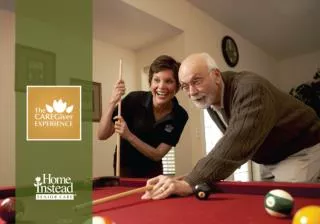
Senior Home Companions: A Bridge to Independence In an age where the aging population is on the rise, the need for senior home companions has become increasingly significant. As individuals grow older, many face challenges that can hinder their independence, such as mobility issues, loneliness, and health concerns. Senior home companions serve as a vital resource, providing not only assistance with daily tasks but also emotional support and companionship that can drastically improve the quality of life for older adults. Understanding the Role of Senior Home Companions Senior home companions are individuals trained to provide support and companionship to seniors in their homes. Their roles can vary widely depending on the needs of the individual. Some companions focus primarily on assisting with household tasks such as cooking, cleaning, and laundry, while others may provide transportation to appointments or social events. Perhaps even more importantly, these companions offer emotional support, helping to alleviate feelings of loneliness and isolation that many seniors experience. The essence of their role lies in creating a safe and nurturing environment. For seniors who wish to maintain their independence, having a companion can be the key to staying in their own homes longer. This not only fosters a sense of autonomy but also contributes to overall mental and emotional well- 1/3
being. For many, the companionship provided by these professionals becomes as crucial as the physical assistance they offer. The Impact of Companionship on Loneliness and Mental Health Loneliness is often referred to as an epidemic among the elderly. Studies have shown that social isolation can lead to a host of health issues, including depression, cognitive decline, and even increased mortality rates. In this context, the role of senior home companions becomes even more critical. By engaging seniors in conversation, participating in activities, and simply being present, companions can provide a buffer against the negative effects of loneliness. Moreover, companionship can stimulate cognitive functions. Engaging discussions, memory games, or even simple storytelling can help keep the mind active and engaged. Companions often report that their clients become more animated and happier when they have someone to interact with regularly. This emotional connection not only enriches the lives of seniors but also enhances their overall quality of life, allowing them to thrive in their golden years. Promoting Independence Through Supportive Care One of the most important aspects of having a senior home companion is the promotion of independence. Many seniors wish to remain in their homes rather than move into assisted living facilities. However, this desire can be overshadowed by the fear of being unable to manage daily tasks. Senior home companions provide the necessary support to bridge this gap, allowing seniors to retain their autonomy. For instance, a companion can help with medication management, ensuring that the senior takes their medications correctly and on time. They can also assist with mobility, providing support for those who may struggle with physical activities. By helping seniors navigate these challenges, companions empower them to maintain their routines and continue participating in activities they enjoy, whether that’s gardening, cooking, or attending community events. Additionally, companions often facilitate social interactions, encouraging seniors to stay connected with family and friends. This social engagement plays a vital role in maintaining mental health and emotional stability. Tailoring Services to Individual Needs The beauty of having a senior home companion is that services can be tailored to meet the specific needs of each individual. This customization is essential, as no two seniors are alike, and their needs can vary greatly based on health, mobility, and personal preferences. Companions can work with families to develop a plan that best suits the senior's lifestyle. For example, some seniors may require assistance with physical tasks, while others may simply need someone to share a meal with or engage in a favorite hobby. The flexibility in the services offered ensures that each senior receives the appropriate level of care and companionship they require. This 2/3
personalized approach not only enhances the effectiveness of the care provided but also helps in building a strong bond between the companion and the senior. Challenges Faced by Senior Home Companions While the role of a senior home companion is rewarding, it is not without challenges. Companions often encounter various issues, including resistance from seniors who may be reluctant to accept help. It can be difficult for some individuals to acknowledge their limitations or to allow someone else to assist them in their personal space. Overcoming this barrier requires patience, empathy, and effective communication skills. Moreover, companions may need to navigate complex family dynamics. Family members may have different opinions on the level of care required, leading to potential conflicts. A skilled companion must be able to mediate these situations, ensuring that the senior's best interests remain the priority. By establishing trust and open lines of communication, companions can help ease tensions and foster a collaborative environment. The Future of Senior Home Companions As the aging population continues to grow, the demand for senior home companions is expected to rise significantly. The shift towards home-based care reflects a broader trend in the healthcare industry, where more individuals prefer to age in place rather than transition to institutional settings. This societal change underscores the necessity for qualified companions who can provide the support and companionship needed to facilitate this preference. In addition, advancements in technology are paving the way for enhanced companionship services. From virtual check-ins to telehealth consultations, technology can help companions provide better support while also keeping families connected. As these tools become increasingly integrated into caregiving, companions will be better equipped to address the diverse needs of seniors. Conclusion The role of senior home companions as a bridge to independence cannot be overstated. They provide essential support that allows seniors to remain in their homes, promoting not just physical well-being but also emotional health. As the demand for such services grows, it is crucial to recognize the profound impact that companionship can have on the lives of older adults. For families seeking compassionate care for their loved ones, choosing a reliable provider like Interim HealthCare can make all the difference. With a commitment to enhancing the quality of life for seniors, Interim HealthCare stands ready to offer personalized companionship services that ensure your loved ones remain connected, engaged, and independent. Reach out today to explore how we can help your family thrive during this important chapter of life. 3/3