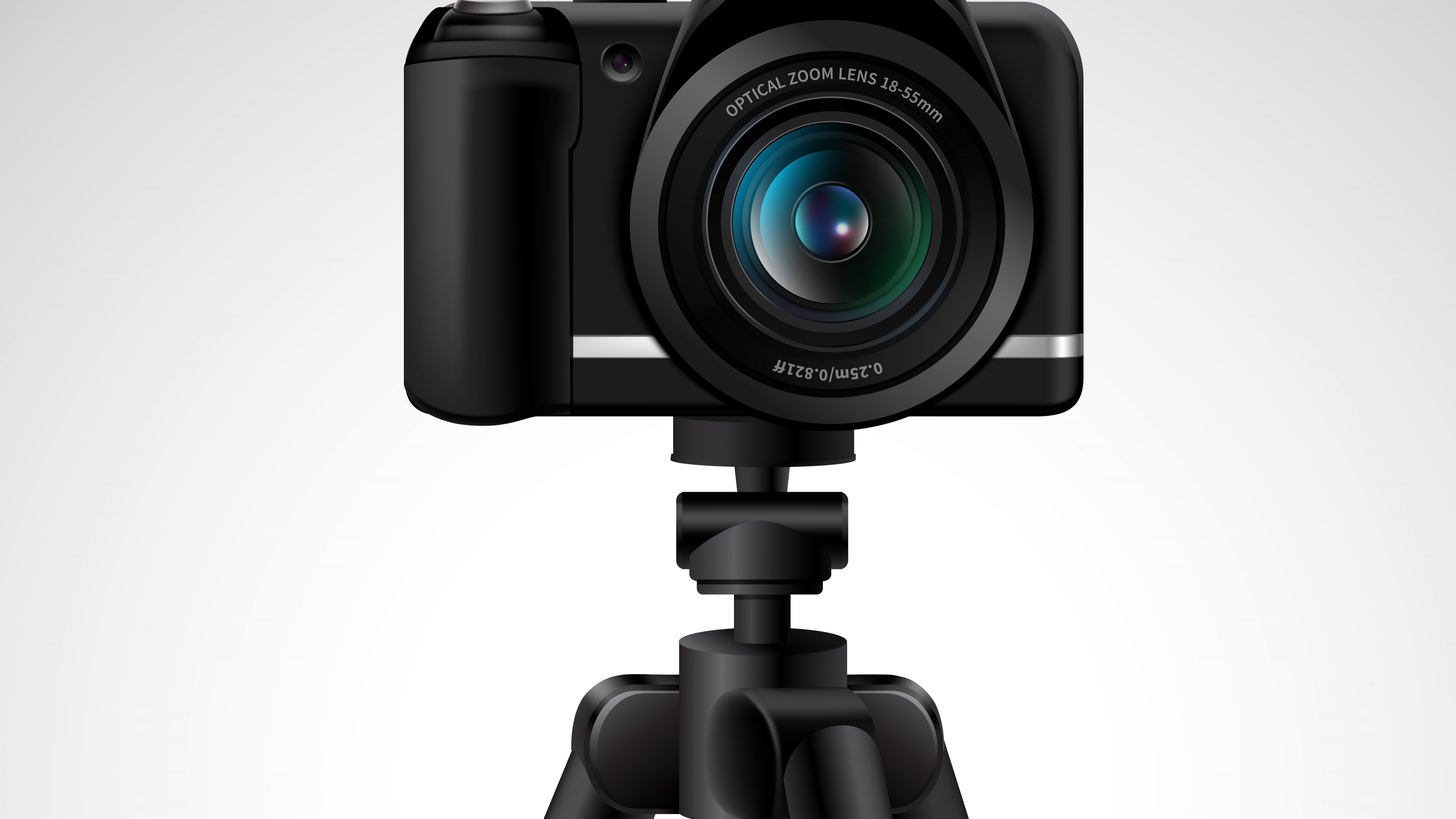
The rise of social media platforms and video-centric content has fundamentally reshaped how people create and consume media. From YouTube and Instagram to TikTok and travel vlogs, visual storytelling has become central to personal branding, marketing, and entertainment. As a result, demand for reliable filming equipment has surged—particularly for DSLR tripods, which provide stability, flexibility, and professional-quality output.
This article offers a complete industry breakdown of how social media and vlogging are driving demand for DSLR tripods, examines DSLR tripod brands competitive analysis, and explores the tradeoffs and challenges influencing purchasing and manufacturing decisions.
The Role of Social Media and Vlogging in Equipment Demand
Social media creators and vloggers rely heavily on high-quality visuals to stand out in an increasingly crowded digital space. While smartphones are widely used, many creators turn to DSLR cameras for superior image quality, depth of field, and low-light performance. However, DSLR cameras require stable support to deliver consistent results, making tripods an essential accessory.
Vlogging styles—such as sit-down videos, travel content, tutorials, and live streaming—often involve extended recording sessions. Tripods enable hands-free operation, smooth framing, and repeatable setups, all of which are crucial for content consistency and audience engagement.
Market Overview and Growth Drivers
Growth of influencer marketing and creator-led content Increased adoption of DSLR and mirrorless cameras among hobbyists Rising demand for remote work, online education, and video communication Expansion of travel, lifestyle, and review-based vlogging Manufacturers have responded by diversifying product offerings, ranging from compact travel tripods to heavy-duty professional models.
DSLR Tripod Brands Competitive Analysis
Build quality and materials: Aluminum tripods offer affordability, while carbon fiber models emphasize lightweight durability. Portability vs. stability: Travel-focused brands prioritize foldability, while studio-oriented brands focus on load capacity. Price positioning: Entry-level brands target beginners, while premium brands cater to professionals and serious enthusiasts. Feature innovation: Adjustable center columns, fluid heads, quick-release plates, and modular designs are key differentiators.
Tradeoffs Influencing Consumer Decisions
Stability vs. Portability: Heavier tripods provide better stability but are less convenient for travel vloggers. Lightweight models are easier to carry but may struggle in windy or uneven environments. Cost vs. Performance: Budget tripods are accessible to beginners but may lack durability and smooth motion control. High-end tripods deliver professional performance at a higher price point. Versatility vs. Specialization: Multi-purpose tripods support various shooting styles, while specialized tripods excel in specific scenarios such as video panning or macro photography. Understanding these tradeoffs helps creators align equipment choices with their content goals and shooting environments.
Challenges in Meeting Market Demand
Shifting Camera Preferences: The rise of smartphones and action cameras requires tripod manufacturers to adapt designs for multi-device compatibility. Price Sensitivity: Many aspiring creators operate on limited budgets, placing pressure on manufacturers to offer value without compromising quality. Rapid Content Trends: Changing social media formats, such as vertical video and live streaming, demand flexible tripod configurations. Product Saturation: A crowded market makes it difficult for brands to differentiate without continuous innovation.
Importance of Impact Consideration in Decision-Making
When making decisions about DSLR tripod selection or production, it is important to consider the broader impact. For creators, this includes the impact on workflow efficiency, content quality, physical strain, and long-term equipment reliability. For manufacturers and retailers, decisions impact brand reputation, sustainability, customer satisfaction, and competitive positioning within the DSLR tripod brands competitive analysis landscape.
Looking ahead, the demand for DSLR tripods is expected to remain strong as social media and vlogging continue to grow. Future developments are likely to focus on hybrid designs compatible with DSLRs, smartphones, and action cameras, along with lightweight materials and smart features. Brands that successfully adapt to evolving creator needs will maintain a competitive edge.