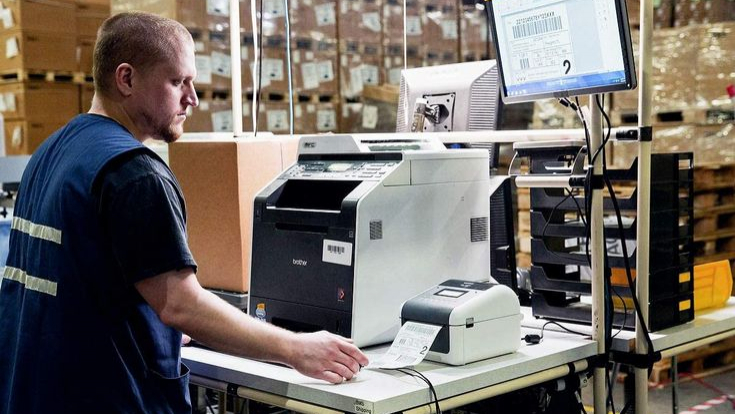
Accurate patient identification and specimen labeling are fundamental components of modern healthcare and laboratory operations. Errors in labeling or identification can lead to misdiagnoses, treatment delays, and serious patient safety risks. Healthcare providers and diagnostic laboratories are increasingly turning to automated and standardized solutions, such as thermal barcode label printers, to improve accuracy, efficiency, and compliance. Insights from thermal barcode label printer market trends and forecast underscore the growing adoption of these technologies in clinical and laboratory settings.
This article provides an objective analysis of the key factors impacting patient ID and specimen labeling, including technology, operational considerations, tradeoffs, and market dynamics.
Industry Overview
Patient identification and specimen labeling solutions encompass a range of tools and processes designed to ensure that the right patient receives the right test, medication, or treatment. In healthcare and laboratory settings, this typically involves barcoded wristbands, specimen tubes, slides, and forms that are machine-readable to minimize human error.
The thermal barcode label printer market trends and forecast indicate strong growth driven by increasing regulatory requirements, rising demand for laboratory automation, and the need for operational efficiency. Hospitals, diagnostic labs, and research centers are prioritizing accurate labeling solutions to reduce errors, improve turnaround times, and maintain compliance with standards such as CLIA, HIPAA, and ISO 15189.
Key Technology & Components
1. Thermal Barcode Label Printers
Thermal printing technology, including direct thermal and thermal transfer methods, is the most widely used in healthcare and laboratory settings. Features include: High-resolution printing for durable barcodes Compatibility with wristbands, specimen tubes, slides, and lab trays Integration with electronic health record (EHR) and laboratory information management systems (LIMS)
2. Barcodes and QR Codes
Barcodes, 2D codes, and QR codes encode patient information, test orders, and specimen details. These codes reduce the risk of misidentification and enable automated scanning during collection, processing, and storage.
3. Software Integration
Label printing is typically connected to hospital or lab software systems, ensuring real-time data accuracy. Integration reduces manual data entry and associated errors.
4. Materials & Consumables
Labels must withstand freezing, chemical exposure, and autoclaving without smudging or fading. Specialty adhesives and durable substrates are critical for laboratory workflows.
Benefits of Automated Patient ID & Specimen Labeling
Enhanced Patient Safety: Reduces errors in specimen handling, testing, and medication administration. Operational Efficiency: Automated printing and scanning streamline sample collection, testing, and reporting. Regulatory Compliance: Supports documentation and audit trails required by healthcare regulations. Cost Savings: Minimizes waste, repeat testing, and labor costs through standardized processes.
Tradeoffs and Challenges
1. Cost vs. Adoption
High-quality thermal barcode printers and durable consumables involve significant upfront costs. Facilities must balance initial investment with long-term savings from error reduction and efficiency gains.
2. Standardization vs. Flexibility
Standardized labeling protocols enhance safety but may limit customization for unique lab workflows or special patient populations.
3. Technology vs. Training
Advanced labeling systems require staff training to maximize benefits. Poorly trained personnel can reduce accuracy despite advanced technology.
4. Integration Complexity
Connecting printers with EHRs or LIMS can involve IT challenges and ongoing maintenance. Compatibility and data security must be considered carefully.
Market Trends & Forecast
The thermal barcode label printer market trends and forecast highlight several key drivers: Rising adoption of automated lab and hospital workflows Increasing demand for patient safety and error reduction solutions Growth in hospital and diagnostic lab infrastructure in emerging economies Integration of smart devices and IoT for real-time monitoring and traceability Market projections indicate that North America and Europe currently lead adoption due to stringent regulatory frameworks, while Asia-Pacific is expected to exhibit the fastest growth due to increasing healthcare infrastructure investments and digital transformation initiatives.
Strategic Considerations
Decision-makers in healthcare and laboratory settings should consider: Compliance: Ensure label systems meet local and international regulations. Durability: Select label materials suitable for various lab conditions, including refrigeration and chemical exposure. System Integration: Verify compatibility with EHR, LIMS, and other hospital or lab systems. Scalability: Plan for future expansion or increased sample volume. These considerations directly affect patient safety, operational efficiency, and long-term cost-effectiveness.
Healthcare and laboratory applications for patient ID and specimen labeling are critical for safety, efficiency, and compliance. Automated solutions, particularly thermal barcode label printers, streamline workflows, reduce errors, and provide regulatory assurance. While investment, integration, and training present challenges, the benefits in patient safety and operational efficiency outweigh these concerns. In the context of the thermal barcode label printer market trends and forecast, healthcare providers and laboratories are increasingly adopting these technologies to future-proof their operations and ensure accurate, reliable patient care.