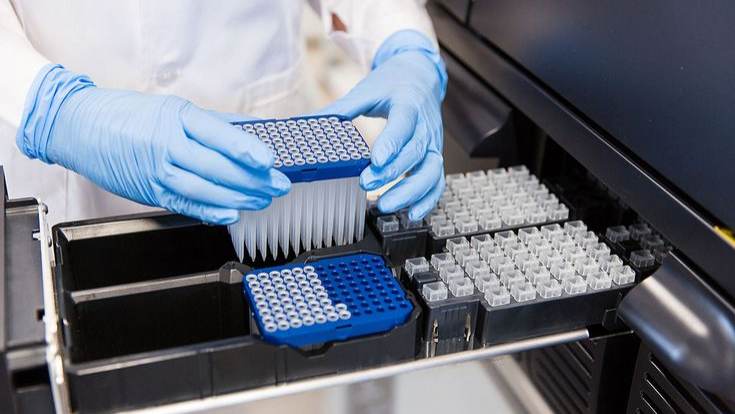
Genotoxicity testing is a critical component of safety assessment for cosmetics and personal care products, ensuring that ingredients and finished formulations do not damage genetic material or increase the risk of mutations and cancer. As global regulatory scrutiny intensifies and consumer awareness grows, genotoxicity testing has become a cornerstone of product development and compliance.
This article provides a comprehensive and objective analysis of cosmetics & personal care genotoxicity testing under global regulations, examining scientific, regulatory, and market factors—while integrating insights from the genotoxicity testing services market size and growth.
Industry Overview
Genotoxicity refers to the ability of a substance to damage DNA or chromosomes. In cosmetics and personal care, genotoxicity testing is used to assess raw materials, impurities, degradation products, and sometimes finished formulations. Regulatory authorities across regions require robust safety data to demonstrate that products are safe for long-term, repeated human exposure.
Historically, genotoxicity testing relied heavily on animal-based assays. However, regulatory bans on animal testing for cosmetics in regions such as the European Union have driven the adoption of alternative in vitro and in silico methods. These shifts are reshaping testing strategies and directly influencing the genotoxicity testing services market size and growth.
Global Regulatory Landscape
European Union
The EU Cosmetics Regulation (EC No. 1223/2009) prohibits animal testing for cosmetics and mandates comprehensive safety assessments. Genotoxicity testing must rely on validated non-animal methods, such as bacterial reverse mutation tests (Ames test) and in vitro mammalian cell assays.
European Union
In the US, cosmetics are regulated by the FDA, which does not pre-approve products but holds manufacturers responsible for safety. Genotoxicity data are often expected as part of a weight-of-evidence approach, particularly for new ingredients.
Asia-Pacific
Countries such as China, Japan, and South Korea have evolving frameworks. China’s recent regulatory reforms have reduced mandatory animal testing requirements, increasing demand for alternative genotoxicity testing methods.
Global Harmonization Challenges
Differences in regulatory expectations across regions create complexity for multinational brands, requiring tailored testing strategies to ensure compliance worldwide.
Key Genotoxicity Testing Approaches
In Vitro Testing
Common assays include:
- Ames test
- In vitro micronucleus test
- Chromosomal aberration assays
Advantages:
- Compliant with animal testing bans
- Faster and cost-effective
Limitations:
- Potential for false positives
- Limited metabolic relevance
In Vivo Testing
While restricted in cosmetics, in vivo tests are still used in certain regions or for impurity risk assessments where no alternatives exist.
In Silico & Weight-of-Evidence Approaches
Computational modeling and read-across methods are increasingly used to supplement experimental data, reducing testing burden while supporting safety conclusions.
Tradeoffs in Testing Strategy Selection
Balancing scientific rigor, regulatory compliance, cost, and timelines is a major challenge: Accuracy vs. Speed: Rapid in vitro screens may overpredict risk, requiring follow-up testing. Cost vs. Compliance: Comprehensive test batteries increase costs but reduce regulatory risk. Innovation vs. Acceptance: Novel alternative methods may face slower regulatory acceptance despite scientific validity. These tradeoffs significantly influence decision-making in cosmetics & personal care genotoxicity testing under global regulations.
Market Dynamics & Growth Drivers
The genotoxicity testing services market size and growth are driven by: Expansion of the global cosmetics and personal care industry Increased use of novel and bio-based ingredients Regulatory pressure for robust safety documentation Shift toward non-animal and alternative testing methods
Contract research organizations (CROs) specializing in regulatory-compliant genotoxicity testing are seeing rising demand, particularly from small and mid-sized cosmetic brands lacking in-house capabilities.
Challenges Facing the Industry
Regulatory Divergence: Varying global requirements increase testing complexity. Method Validation: New alternative methods require extensive validation and regulatory acceptance. Data Interpretation: Integrating results from multiple assays into a clear safety conclusion can be challenging. Cost Management: Smaller brands face budget constraints while meeting stringent safety expectations.
Importance of Impact Considerations
Beyond regulatory compliance, genotoxicity testing has broader implications: Consumer Safety & Trust: Demonstrated genetic safety supports brand credibility. Ethical Responsibility: Reduced animal testing aligns with societal expectations. Long-Term Business Risk: Inadequate testing can lead to recalls, litigation, and reputational damage. Considering these impacts is essential when making strategic decisions about cosmetics & personal care genotoxicity testing under global regulations.
Cosmetics & personal care genotoxicity testing under global regulations is a complex but essential process shaped by science, ethics, and regulatory expectations. Companies must carefully balance accuracy, cost, compliance, and innovation while considering long-term safety and brand impact. As regulations evolve and alternative methods advance, genotoxicity testing will remain a critical pillar of cosmetic safety assessment, underpinning the continued expansion reflected in the genotoxicity testing services market size and growth.