Download

1 / 10
0 likes | 12 Views
Dealing with issues at the Landlord Tenant Board? Our experienced team offers affordable, reliable legal support to help you navigate tenant disputes, eviction processes, and lease agreements. Whether you're a landlord or tenant, we ensure your rights are protected throughout the process. <br>Get more information: https://ahmedlegalservices.ca/landlord-tenant-board-paralegal/

E N D
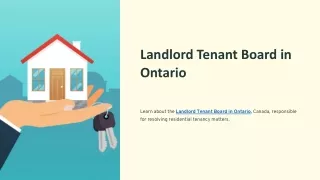
Understanding the Landlord Tenant Board: Resolving Rental Disputes Fairly Navigating rental disputes doesn't have to mean going to court. The Landlord Tenant Board provides an accessible, fair pathway to resolution for both property owners and renters across Ontario.
What is the Landlord Tenant Board? The Landlord Tenant Board (LTB) is a specialized quasi-judicial tribunal designed to resolve disputes between landlords and tenants without the need for traditional court proceedings. Operating under Ontario's Residential Tenancies Act (RTA), the Board addresses a wide range of issues including unpaid rent, eviction applications, property maintenance disputes, and security deposit conflicts. Unlike conventional courts, the Landlord Tenant Board offers a more accessible and streamlined approach to justice, with members specifically trained in residential tenancy law.
Why Use the Landlord Tenant Board? Faster Resolution Expert Adjudicators The Landlord Tenant Board processes cases more quickly than traditional court systems, helping both parties reach resolution without lengthy delays. Board members are appointed specialists with extensive knowledge of residential tenancy law and dispute resolution. Mediation Options Binding Decisions Many disputes are resolved through mediation before reaching a formal hearing, saving time and preserving relationships. Orders issued by the Landlord Tenant Board are legally enforceable, providing certainty and closure for all parties involved.
Common Reasons Landlords Apply to the Board Non-Payment of Rent When tenants fail to pay rent or utilities on time, landlords can file applications with the Landlord Tenant Board to recover unpaid amounts and potentially terminate the tenancy. Failure to Vacate Tenants who refuse to leave after proper notice or lease expiry require formal eviction proceedings through the Board. Property Damage Landlords can seek compensation for damages beyond normal wear and tear, or address issues with unauthorized occupants.
How Tenants Benefit from the Board Your Rights Are Protected Protection Against Unlawful Actions The Landlord Tenant Board ensures tenants have equal access to justice and fair treatment throughout the dispute resolution process. Challenge illegal evictions, excessive rent increases, or harassment by landlords who don't follow proper procedures. Right to Present Your Case Dispute landlord claims with evidence, witness testimony, and documentation at formal hearings. Enforcement of Landlord Duties Compel landlords to fulfill their legal obligations for property repairs, maintenance, and habitability standards. Mediation Opportunities Resolve conflicts through facilitated negotiation before escalating to formal hearings.
Presenting Your Case at the Landlord Tenant Board Opening Statement Begin with a clear, concise summary of your issue and what you're seeking from the Landlord Tenant Board. Set the context and timeline. Present Evidence Submit relevant documents, photographs, receipts, lease agreements, and correspondence. Call witnesses who can support your position. Cross-Examination Ask questions of the opposing party and their witnesses to clarify facts and challenge inconsistencies in their testimony. Closing Statement Summarize your key points, reference the strongest evidence, and clearly state the outcome you're requesting from the Board.
Step-by-Step: Filing an Application with the LTB Submit Your Application Complete the Application File your completed application online through the Board's secure portal or by mail. In-person submissions are not currently accepted, so ensure you use approved digital or postal methods. Select and fill out the appropriate form for your specific issue—whether it's an eviction notice, rent arrears claim, or maintenance request. The Landlord Tenant Board provides detailed instructions for each form type. Receive the Decision Attend Your Hearing The Board issues a written order detailing the outcome. This decision is legally binding and can be enforced through the appropriate legal channels if necessary. Participate in your scheduled mediation session or formal hearing. Currently, all proceedings are conducted remotely via video or telephone conference.
Important Tips for Success Gather Comprehensive Documentation Collect all relevant documents before your hearing: lease agreements, payment records, photographs, communications, and repair requests. Organization is key to presenting a convincing case. Be Prepared and Punctual Arrive early for virtual hearings, test your technology in advance, and have your evidence readily accessible. Clear communication strengthens your position at the Landlord Tenant Board. Know Your Rights Familiarize yourself with the Residential Tenancies Act and understand your legal rights and obligations. The Board's website offers educational resources and guides. Seek Guidance When Needed Use the Board's helpline, website resources, and downloadable forms. Legal aid services can provide additional support for complex cases.
Recent Changes & Accessibility Remote Hearings Online Portal System Regional Support Services All Landlord Tenant Board hearings are currently conducted remotely through secure video and telephone platforms. This ensures safety, convenience, and accessibility for participants across Ontario, eliminating travel requirements. The Board's digital portal allows applicants to file documents electronically, track application status in real-time, and receive notifications about upcoming hearings and decisions. Multiple regional offices provide assistance via phone, email, and online resources. Support staff can answer questions about procedures, forms, and requirements.
The Landlord Tenant Board Empowers Fair Housing The Landlord Tenant Board serves as an essential pillar of Ontario's rental housing system, ensuring balanced and equitable resolution of disputes while protecting the rights of both landlords and tenants. By providing accessible justice, expert adjudication, and clear legal frameworks, the Board encourages open communication and helps maintain healthy rental relationships throughout the province. Knowledge is power. Understanding your rights, preparing thoroughly, and utilizing the Board's resources positions you for success in any tenancy dispute. For comprehensive information, application forms, and support services, visit the official Landlord Tenant Board website or contact their helpline to speak with a knowledgeable representative.