Download

1 / 3
0 likes | 2 Views
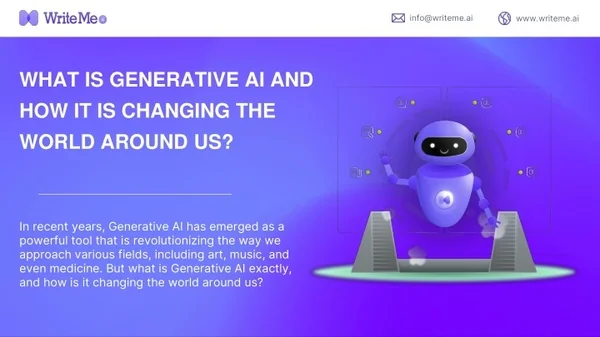
Generative AI refers to artificial intelligence systems capable of producing original content, ideas, or solutions based on existing data. Unlike traditional AI, which analyzes and predicts patterns, generative AI can create new outputs such as text, images, videos, music, code, and more. Key technologies include GPT-based models, diffusion models, and transformer networks.

E N D
The Rise of AI Creativity: How Generative AI Is Changing Industries
In today’s fast-paced digital world, Generative AI is no longer just a futuristic concept—it’s actively transforming the way industries operate. From creating art and designing products to generating content and optimizing workflows, generative AI is revolutionizing creativity across sectors. Businesses that harness this technology gain a competitive edge by accelerating innovation and improving efficiency. What is Generative AI? Generative AI refers to artificial intelligence systems capable of producing original content, ideas, or solutions based on existing data. Unlike traditional AI, which analyzes and predicts patterns, generative AI can create new outputs such as text, images, videos, music, code, and more. Key technologies include GPT-based models, diffusion models, and transformer networks. Industries Being Transformed by Generative AI 1. Marketing and Content Creation Generative AI enables marketers to produce blog posts, social media content, and ad copy at lightning speed. Tools like ChatGPT, Jasper, and Copy.ai can create engaging, SEO-friendly content, reducing reliance on human writers for routine tasks. 2. Design and Visual Arts AI-powered platforms like DALL·E and MidJourney generate stunning visuals, logos, and design prototypes. Designers can now focus on conceptual work, while AI handles repetitive creative tasks. 3. Music and Entertainment Musicians and filmmakers use generative AI to compose music, create sound effects, or even produce short films. This accelerates production timelines while exploring innovative artistic directions. 4. Healthcare and Pharmaceuticals Generative AI helps researchers design new molecules and predict drug interactions. By simulating thousands of experiments in silico, it reduces costs and speeds up drug discovery. 5. Software Development AI tools like GitHub Copilot can write and debug code, significantly reducing development time. Generative AI assists developers in rapid prototyping, testing, and automating repetitive coding tasks. Read More: The Rise of AI Creativity: How Generative AI Is Changing Industries Conclusion Generative AI is reshaping industries by combining machine intelligence with human creativity. From faster content creation to innovative product design, businesses embracing this technology will thrive in the modern digital economy. The rise of AI creativity marks a new era of limitless possibilities, and staying ahead means adapting to this transformative trend. For more insights into AI innovations, industry trends, and how businesses are leveraging cutting- edge technologies, be sure to visit Nate Patel’s website for expert guidance and resources.