Cabo whale sharks
0 likes | 8 Views
Nade ao lado de incru00edveis tubaru00f5es-baleia em Cabo San Lucas, um dos destinos mais fascinantes do mundo para observar essas majestosas criaturas marinhas. Experimente uma aventura inesquecu00edvel, com guias especializados, u00e1guas cristalinas e um contato u00fanico com a natureza. Explore Cabo e descubra a magia dos tubaru00f5es-baleia.<br><br>


Cabo whale sharks
E N D
Presentation Transcript
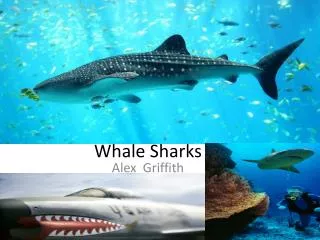
Cabo whale sharks Located at the southern tip of Mexico's Baja California Peninsula, Cabo San Lucas is one of the most popular travel destinations in the world. Famous for its breathtaking beaches, lavish resorts, and dynamic marine life, Cabo has become a prime destination for tourists searching for unique underwater experiences. Among the numerous amazing marine animals that live in the waters surrounding this coastal haven, the whale shark is one of the most breathtaking and sought-after species to encounter. Whale sharks (Rhincodon typus) are the largest fish in the world; they can grow up to 40 feet in length and more. These huge filter feeders travel through oceans searching for plankton, small fish, and other microscopic creatures. Although they are present all around the globe, in warm tropical and subtropical waters, Cabo San Lucas o?ers an exceptional opportunity for those looking to have experiences with these majestic creatures in a most glorious and natural habitat. In this paper, we take a look at how Cabo San Lucas is of importance in regard to whale shark encounters, what these animals signify in the ocean, and ongoing conservation e?orts directed towards the animals. We strive to make Cabo a relevant location for the tourism and preservation of whale sharks. Cabo San Lucas: A Hot Spot for Whale Shark Sighting Cabo San Lucas, in Baja California Sur, is known for its marine richness. Around Cabo, and especially in the Sea of Cortez and the Pacific Ocean, exist a number of marine life creatures, including sea turtles,
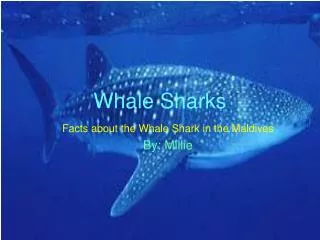
manta rays, dolphins, and whale sharks, among others. Though whale sharks migrate across a great extent of oceanic distances, Cabo has become very important as far as the sightings are concerned because of its unique geographical position. The combination of warm, nutrient-rich waters in the area makes it an ideal place for plankton and small fish, which happen to be the primary food sources for whale sharks. This is why whale sharks can now be seen in the area year after year, particularly between October and April when they migrate in their season. The most popular tourist activity in Cabo is whale shark snorkeling or diving. During the peak season, tour operators o?er guided trips to the areas where whale sharks are usually spotted, allowing visitors to swim alongside these magnificent creatures. The clear waters and rich marine life in the region make Cabo an ideal location for such encounters, o?ering tourists an unforgettable experience while raising awareness of the importance of whale shark conservation. Whale Shark Biology and Behavior Before discussing the conservation e?orts of whale sharks in Cabo, it is important to understand the biology and behavior of these incredible creatures. Whale sharks are members of the shark family, but unlike their predatory relatives, they are filter feeders. This means that instead of hunting for large prey, they swim with their mouths wide open to capture plankton, krill, small fish, and other microscopic organisms suspended in the water. Though their size is very massive, they are known for being gentle and slow-moving. Their mouths, which can go up to 5 feet wide, are capable of accommodating tons of plankton. The distinct pattern of white spots and stripes on a dark gray or blue body makes it easy to spot whale sharks. Whale sharks usually live up to 70 to 100 years, with some even having been recorded for traveling across the vast distances that take them between oceanic feeding grounds and reproduction areas. In Cabo, whale sharks are commonly found gathering in areas where nutrient-rich waters are abundant. Feeding zones are usually near the shore, and that is why tourists can have the opportunity to observe and interact with them in relatively shallow waters. The presence of whale sharks in Cabo is a testament to the health of the region's marine ecosystem, as these creatures are indicators of the abundance of food sources in the area. Importance of Whale Sharks in Conservation Whale sharks are very important creatures in the marine ecosystem. Whale sharks act as filter feeders, thus ensuring that the number of plankton and other tiny organisms remains healthy within the food
chain of the ocean. Whale sharks also ensure that the presence of other species in the marine environment is maintained, as their big bodies provide shelter for small fish and other sea creatures. Unfortunately, whale sharks are being threatened by various issues that have pushed them towards danger. The other major threat facing whale sharks is overfishing. Whale sharks are not commercially fished for their meat; however, many of them end up in fishing nets, are injured by boat propellers, and so forth. The need for whale shark products, particularly their fins, leads to illegal fishing in some regions. Habitat loss, including the destruction of coral reefs and mangroves, presents a significant threat to their population. In Cabo, the same threats exist, but there are particular challenges that have to do with the increase in tourism. While the tourists give an economic incentive to protect the species, pressure from boat tra?c and the potential for disturbances during whale shark encounters can be damaging to their health. Overcrowding during peak tourist seasons can stress the animals, making it harder for them to feed and rest. Whale Shark Conservation in Cabo San Lucas Fortunately, many e?orts are undertaken to conserve and protect whale sharks in Cabo San Lucas as well as across Mexico. Mexico has realized the significance of whale sharks and introduced several measures in order to save their populations. Protected Areas and Legislation In 2009, the Mexican government founded the Whale Shark Sanctuary o? the coast of the state of Quintana Roo; this sanctuary constitutes a protected zone aimed at ensuring the conservation of whale sharks and their habitats. It is among the biggest marine protected areas worldwide, and its case has inspired others, including in Baja California Sur. These protected zones strictly limit fishing and other destructive practices that can ensure the safety and health of whale sharks, among other sea creatures. To ensure whale sharks are not overcrowded and disturbed by feeding and swimming patterns, there have been set regulations on whale shark tourism in Cabo that restrict the number of boats and tourists interacting with the sharks at a given time. Tour operators must adhere to very strict guidelines that ensure responsible and ethical practices when engaging with whale sharks. Tourism and Education In Cabo, the tourism industry plays a significant role in promoting the local economy and conserving whale sharks. This is because educating tourists about the significance of whale shark conservation through tour operations encourages enhanced understanding and respect for these wonderful
creatures. Some of the local tour companies in the area provide written materials and briefings to the visitors before venturing out for whale shark excursions, guiding them on how to behave responsibly when interacting with these sharks. Responsible whale shark tourism also brings in significant funding for conservation e?orts, as a percentage of the revenue from whale shark tours can be allocated to protect the species. Local NGOs and marine research organizations are collaborating with government authorities to monitor whale shark populations and collect data that can be used to establish further protection. Research and Monitoring Scientific research and monitoring programs help understand the behavior, migration, and population dynamics of whale sharks. In Cabo, marine biologists and researchers are conducting studies on the presence of whale sharks in the region to determine their feeding habits, migration routes, and interaction with the ecosystem. This data is critical for developing e?ective conservation strategies and ensuring the long-term survival of the species. Challenges and the Future of Whale Shark Conservation There is much to be done for whale shark conservation in Cabo, despite the great strides made so far. The increasing number of whale shark tourism visitors places more pressure on these animals, and it is important that the rise in visitors does not negatively impact their well-being. Education, enforcement of regulations, and responsible tourism practices are important in mitigating these risks. Additionally, continued e?orts to combat illegal fishing, reduce habitat destruction, and promote global awareness of the importance of protecting whale sharks are necessary. By supporting international conservation initiatives and local e?orts in Cabo, we can work together to safeguard the future of these incredible creatures. Conclusion Not only a tropical heaven for tourists but Cabo San Lucas is also a haven for conservation and research concerning the whale sharks, which in all their imposing enormity represent part of this crucial ocean's system. This fact makes Cabo an especially precious location that requires the preservation of these fantastic marine animals together with the promotion of tourism and whale shark experience encounters. Through conservation e?orts, research, and responsible tourism, Cabo San Lucas can continue to be a haven for whale sharks, so that future generations will have the chance to swim with these majestic
animals while contributing to their preservation. Awareness and support for sustainable practices will ensure the future of whale sharks in Cabo and around the world.