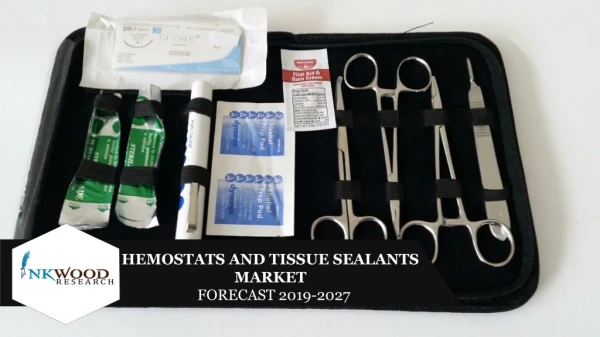
Tissue Retrieval Technique
One of the limitations of minimal access surgery is difficulty<br>in retrieval of tissue. Previously, surgeons were reluctant<br>to perform many of the advanced surgical procedure due<br>to this difficult procedure. New techniques for removing<br>tissue have helped increase the number and types of<br>laparoscopic surgeries that can be done laparoscopically.<br>


Tissue Retrieval Technique
E N D
Presentation Transcript
Tissue Retrieval T echnique Prof. Dr. R. K. Mishra INTRODUCTION One of the limitations of minimal access surgery is difficulty in retrieval of tissue. Previously, surgeons were reluctant to perform many of the advanced surgical procedure due to this difficult procedure. New techniques for removing tissue have helped increase the number and types of laparoscopic surgeries that can be done laparoscopically. Recently, the Food and Drug Administration (FDA) recommends that surgeon should use tissue containment systems when using laparoscopic power morcellators, and that they ensure the laparoscopic power morcellator and tissue containment system are compatible. Legally, marketed laparoscopic power morcellation containment systems are intended to isolate and contain tissue that is considered benign. Based on testing and clinical data, use of a containment system confines morcellated tissue within the containment system. Safe removal of tissue is an important consideration in laparoscopic surgery and applies to all specimens irrespective of whether they are thought to be benign or malignant. The importance of wound protection is shown by considering laparoscopic cholecystectomy for symptomatic gallstone disease. Most of the gallbladders at the time of retrieval can be squeezed out through an unprotected port wound. At the time of extraction exit wound must be of sufficient size, and wound protection should be used to ensure that there is no contact between the specimen and the abdominal wall during removal. We all know that the incidence of unsuspected gallbladder cancer is between 0.5 and 1% and there are reported cases of port site tumor nodules because of implantation of tumor cells after extraction of the gallbladder through an unprotected wound. Tissue reduction enables extraction through small wounds but can be used only for benign specimens. Tissue reduction can be carried out by various techniques, including mechanical fragmentation and morcellation. It should be done inside a rip-proof bag whenever possible. This is essential for laparoscopic splenectomy to prevent implantation of splenic fragments on the serosal surfaces, which leads to splenosis (Fig. 1). Fig. 1: Appendix hidden within cannula. Most commonly the resected tissue should be hidden under port and then everything should come together with port. This technique is used for most of the small size organs such as appendix, gallbladder, small ovarian cyst, ectopic pregnancy, salpingectomy, small oophorectomy, etc. ENDOBAGS In some cases, the tissue to be removed is first encased in a specimen retrieval bag. These tissue retrieval bags are available in market and can be prepared by surgeon himself at the time of laparoscopic surgery (Fig. 2A). For infected tissue and in case of suspected carcinoma, tissue retrieval bag should be used. Many sizes of disposable tissue retrieval bags are available and hard rims of these retrieval bags are easy to negotiate inside the abdominal cavity (Figs. 2B to D). One can easily make the retrieval bag by tying and cutting the fingers of sterilized gloves. If the gloves used for the retrieval of tissue, it should be used carefully. It should not puncture while removing from the abdominal cavity (Fig. 3). The glove is kept stretched while one assistant will tie it in the middle (Figs. 4A and B).
158 SECTION1: Essentials of Laparoscopy A B C D Figs. 2A to D: Disposable endobags. Fig. 3: Endobags. A B Figs. 4A and B: Making endobag with glove.
159 CHAPTER11: Tissue Retrieval Technique Keeping it stretched will create a good dumbbell after knotting and so there is no chance of slipping of knot inside the abdominal cavity (Fig. 5). The latex material used to manufacture gloves sometimes, react with human tissue and it can create a problem if the glove is punctured and a piece of latex is left inside human body. Most commonly this torn piece of gloves can be missed in the layers of abdominal wall (Fig. 6). At the time of introduction of glove endobag, it should be held by its cut end and kept stretched over the shaft of grasper to decrease its thickness (Fig. 7). The polythene covering of Ryle’s tube can also be used as inexpensive readymade retrieval bag. This is sterilized and open at one end (Figs. 8A and B). These polythene bags can be used as excellent retrieval pouch if used carefully. The polythene bag has one demerit that sometime the edges are difficult to find out because it is transparent and secondly because it is thin and does not have elastic property like gloves so it slips easily after once held by grasper (Figs. 9A to E). Drawback of this self-made retrieval bag is that they do not have hard rim so it is difficult to manipulate inside the abdominal cavity. These bags can be introduced inside the abdominal cavity through 10 mm ports. In special circumstances if there is difficulty is found, it can be introduced directly through the port wound after withdrawing the cannula. Once the retrieval bag is inside, it should be positioned in free abdominal space and the rim of bag should be stabilized with nondominant hand and dominant hand should be used to put the specimen inside. Once the bag is inside the abdominal cavity both the edges of the retrieval bag should be lifted to displace the specimen into the base of the bag (Figs. 10A and B). Condom can also be used for retrieving tissue. Lubricated condom should be avoided because it can cause tissue reaction. To take the specimen out, surgeon should hide the mouth of retrieval bag inside the cannula by pulling it and then the cannula together with the neck of bag is pulled outside the abdominal cavity. Once the neck of the bag is out, its opening is stretched by the help of assistant. Ovum forceps can be introduced inside to morcellate the tissue manually if there is difficulty in pulling the bag out (Fig. 11). COLPOTOMY For large size gynecological tissue, colpotomy route is good for retrieval. Colpotomy can be done laparoscopically with the help of heal of hook. Counter pushing by other instruments is effective. Sponge over sponge-holding forceps is inserted in posterior vaginal fornix by one assistant and surgeon cuts the vaginal fascia between both the uterosacral ligaments with the heel of hook (Fig. 12). Fig. 6: Way of introducing endobag. Fig. 5: Glove endobag. Fig. 7: Using glove endobag.
160 SECTION1: Essentials of Laparoscopy A B Figs. 8A and B: Polypropylene endobag. A B C D E Figs. 9A to E: Introduction of tissue in endobag. A B Figs. 10A and B: Neck of endobag pulled outside the abdominal wall.
161 CHAPTER11: Tissue Retrieval Technique Fig. 11: Morcellation of tissue through endobag. Figs. 12: Colpotomy. Fig. 13: Electrical morcellator. Fig. 14: Different type of morcellator. HAND-ASSISTED LAPAROSCOPIC SURGERY Hand-assisted technique was initially started keeping inside ease of tissue retrievals, wherein the surgeon uses his or her hand, inserted through the initial incision, to aid in the exploration, isolation, and removal of tissue. Hand-assisted technique offers distinct advantages, the superior visualization afforded by the laparoscope and a tactile component that is important in many aspects of surgery and has allowed surgeons to apply a less invasive approach to surgeries that previously could not have been done laparoscopically. Hand-assisted laparoscopy can also serve as a bridge between open surgery and straight laparoscopy, making it easier for surgeons to practice and learn the skills necessary for performing laparoscopic procedures. any difficulty. Recently many companies have launched battery-operated morcellator. The morcellator is important instrument for tissue retrieval in myomectomy and splenectomy (Fig. 13). One of the early concerns about laparoscopic procedures in cancer patient was that they caused port site metastases, i.e., the appearance of recurrent tumor tissue at the site of trocar entry (Fig. 14). Use of laparoscopic power morcellators allow for minimally invasive surgical procedures, which, when compared to open abdominal surgery, typically reduce the risk of infection, and shorten the postoperative recovery period. However, when used in myomectomy or hysterectomy procedures, there is an increased risk of spreading unsuspected cancer and benign tissue within the abdomen and pelvis. The risk of unsuspected cancer increases with age, particularly in women over 50 years of age. Cancer surgery, however, poses some unique challenges that make the application of laparoscopic surgery in oncology more problematic. It is critically important in MORCELLATOR Use of morcellator is another way which facilitates grinding of solid tissue and then these can be taken out without
162 SECTION1: Essentials of Laparoscopy Fig. 15: Power morcellation of tissue. Fig. 16: Morcellation of tissue. cancer that whole organs should be removed intact (en bloc) so that pathologists can properly examine them and measure and document the depths and margins of tumor invasion. A second concern for surgical oncologists is cell transfer or cell spillage. Diseased tissue must be removed without contaminating adjacent tissues and structures with cancer cells. Because of these concerns, tissue morcellation, a technique commonly used in noncancer laparoscopic surgery in which the tissue is divided into pieces so that it can be removed more easily should not be used for oncologic procedures. All the 10 mm or >10 mm defects should be closed properly to prevent any future possibility of hernia (Figs. 15 and 16). The suture passer should be used to pass the thread and then it should be tied externally. Especially, designed port closure instruments are also available commercially. If port is suddenly taken out, the chance of port site hernia and adhesion is much higher. It is a good practice to insert some blunt instrument while removing the last port out, to prevent entrapment of omentum or bowel content. After closing the rectus sheath, the skin can be closed by intradermal, skin stapler or by any of the surgical skin glues available. power morcellation because of risk for dissemination of malignant tissue. In response, many hospitals banned power morcellation. The FDA currently estimates that a hidden uterine sarcoma may be present in approximately 1 in 225 to 1 in 580 women undergoing surgery for uterine fibroids based on recent publications. The FDA also estimates that a leiomyosarcoma may be present in approximately 1 in 495 to 1 in 1,100 women undergoing surgery for uterine fibroids based on recent studies. Prior to 2014, the clinical community estimated uterine sarcomas to be present much less frequently, in as few as 1 in 10,000 women undergoing surgery for uterine fibroids. Several studies show that using a laparoscopic power morcellator during gynecologic surgery in women with hidden uterine sarcomas is associated with lowering their chances of long-term survival without cancer. While these studies have limitations, women who have had fibroid surgery with a laparoscopic power morcellator later found to have a hidden uterine sarcoma, have lower disease-free survival, when compared to women who were treated with manual morcellation or without morcellation. MorSafe® is an innovative single-use disposable device intended to be used as a receptacle for benign tissue mass during gynecological procedures such as laparoscopic myomectomy or laparoscopic hysterectomy. The device has unique features to allow for quick deployment, insufflation, morcellation, and spill-proof withdrawal of the bag. FDA Warnings about Power Morcellation (Fig. 15) When laparoscopic power morcellators are used for myomectomy or hysterectomy in women with presumed uterine fibroids that are actually uterine sarcomas, the surgical procedure poses a risk of spreading cancerous tissue beyond the uterus, worsening a woman’s chance of long-term survival. In April 2014, the FDA issued a statement discouraging use of laparoscopic power morcellation in hysterectomy for uterine fibroids; this was followed by a warning in November 2014 against use of uterine MorSafe® Tissue Isolator MorSafe®, with its unique two port design, offers the surgeon superior visibility during the surgery compared to a single port approach (Figs. 17A and B). Designed to fit and take the shape of the abdomen, it has been constructed utilizing a special tear-resistant material to prevent leakage. It also contains a special ring in the bag opening to allow the surgeon ultimate control of the bag opening and easy access to the interior of the bag during surgery.
163 CHAPTER11: Tissue Retrieval Technique A B Figs. 17A and B: MorSafe® tissue isolator. BIBLIOGRAPHY 1. Bach PB, Cramer LD, Warren JL, Begg CB. Racial differences in the treatment of early-stage lung cancer. N Engl J Med. 1999;341:1198-205. 2. Ballesta-Lopez C, Bastida-Vila X, Catarci M, Mato R, Ruggiero R. Laparoscopic Billroth II distal subtotal gastrectomy with gastric stump suspension for gastric malignancies. Am J Surg. 1996;171:289-92. 3. Begg CB, Cramer LD, Hoskins WJ, Brennan MF. Impact of hospital volume on operative mortality for major cancer surgery. JAMA. 1998;280:1747-51. 4. Bouvy ND, Marquet RL, Jeekel H, Bonjer HJ. Impact of gas (less) laparoscopy and laparotomy on peritoneal tumor growth and abdominal wall metastases. Ann Surg. 1996;224: 694-701. 5. Callery MP, Strasberg SM, Doherty GM, Soper NJ, Norton JA. Staging laparoscopy with laparoscopic ultrasonography: optimizing resectability in hepatobiliary and pancreatic malignancy. J Am Coll Surg. 1997;185:33-9. 6. Charlson ME, Pompei P, Ales KL, MacKenzie CR. A new method of classifying prognostic comorbidity in longitudinal studies: development and validation. J Chron Dis. 1987;40:373-83. 7. Chew DK, Borromeo JR, Kimmelstiel FM. Peritoneal mucinous carcinomatosis after laparoscopic-assisted anterior resection for early rectal cancer: report of a case. Dis Colon Rectum. 1999;42:424-6. 8. Cox DR. Regression models and life-tables. J R Statist Soc (Ser B). 1972;34:187-220. 9. Cubiella J, Castells A, Fondevila C, Sans M, Sabater L, Navarro S, et al. Prognostic factors in nonresectable pancreatic adenocarcinoma: a rationale to design therapeutic trials. Am J Gastroenterol. 1999;94:1271-8. 10. DeMeester TR, Wang CI, Wernly JA, Pellegrini CA, Little AG, Klementschitsch P, et al. Technique, indications, and clinical use of 24-hour esophageal pH monitoring. J Thorac Cardiovasc Surg. 1980;79:656-70. 11. Dieter RA Jr, Kuzycz GB. Complications and contraindications of thoracoscopy. Int Surg. 1997;82:232-9. 12. Dorrance HR, Oien K, O’Dwyer PJ. Effects of laparoscopy on intraperitoneal tumor growth and distant metastases in an animal model. Surgery. 1999;126:35-40. 13. Drouard F, Delamarre J, Capron JP. Cutaneous seeding of gallbladder cancer after laparoscopic cholecystectomy. N Engl J Med. 1991;325:316. 14. Eadie LH, Seifalian AM, Davidson BR. Telemedicine in surgery. Br J Surg. 2003;90:647-58. 15. Fleshman JW, Nelson H, Peters WR, Kim HC, Larach S, Boorse RR, et al. Early results of laparoscopic surgery for colorectal cancer: retrospective analysis of 372 patients treated by Clinical Outcomes of Surgical Therapy (COST) Study Group. Dis Colon Rectum. 1996;39:S53-8. 16. Forde KA, Hulten L. Laparoscopy in colorectal surgery. Surg Endosc. 1996;10:1039-40. 17. Forster R, Storck M, Schafer JR, Honig E, Lang G, Liewald F. Thoracoscopy versus thoracotomy: a prospective comparison of trauma and quality of life. Langenbecks Arch Surg. 2002;387:32-6. 18. Freedman LS. Tables of the number of patients required in clinical trials using the logrank test. Stat Med. 1982;1:121-9. 19. Geer RJ, Brennan MF. Prognostic indicators for survival after resection of pancreatic adenocarcinoma. Am J Surg. 1993;165:68-72. 20. Giulianotti PC, Coratti A, Angelini M, Sbrana F, Cecconi S, Balestracci T, et al. Robotics in general surgery: personal experience in a large community hospital. Arch Surg. 2003;138:777-84. 21. Jacobi CA, Sabat R, Bohm B, Zieren HU, Volk HD, Müller JM. Pneumoperitoneum with carbon dioxide stimulates growth of malignant colonic cells. Surgery. 1997;121:72-8. 22. Jacobi CA, Wildbrett P, Volk T, Muller JM. Influence of different gases and intraperitoneal instillation of antiadherent or cytotoxic agents on peritoneal tumor cell growth and implantation with laparoscopic surgery in a rat model. Surg Endosc. 1999;13:1021-5. 23. Jones DB, Guo LW, Reinhard MK, Soper NJ, Philpott GW, Connett J, et al. Impact of pneumoperitoneum on trocar site implantation of colon cancer in hamster model. Dis Colon Rectum. 1995;38:1182-8. 24. Kalbfleisch JD, Prentice RL. The Statistical Analysis of Failure Time Data. New York, NY: John Wiley and Sons; 1980. 25. Kaplan EL, Meier P. Nonparametric estimation from incomplete observations. Am Stat Assoc. 1958;53:457-81. 26. Kumar A, Kumar S, Aggarwal S, Khilnani GC. Thoracoscopy: the preferred approach for the resection of selected posterior mediastinal tumors. J Laparoendosc Adv Surg Tech A. 2002;12:345-53. 27. Lacy AM, Garcia-Valdecasas JC, Pique JM, Delgado S, Campo E, Bordas JM, et al. Short-term outcome analysis of a randomized study comparing laparoscopic vs open colectomy for colon cancer. Surg Endosc. 1995;9:1101-5.
164 SECTION1: Essentials of Laparoscopy 28. Mack MJ. Video-assisted thoracoscopy thymectomy for myasthenia gravis. Chest Surg Clin N Am. 2001;1:389-05. 29. Masaoka A, Yamakawa Y, Niwa H, Fukai I, Kondo S, Kobayashi M, et al. Extended thymectomy for myasthenia gravis patients: a 20-year review. Ann Thorac Surg. 1996;62:853-9. 30. Melfi FM, Menconi GF, Mariani AM, Angeletti CA. Early experience with robotic technology for thoracoscopic surgery. Eur J Cardiothorac Surg. 2002;21:864-8. 31. Milsom JW, Bohm B, Hammerhofer KA, Fazio V, Steiger E, Elson P. A prospective, randomized trial comparing laparo scopic versus conventional techniques in colorectal cancer surgery: a preliminary report. J Am Coll Surg. 1998;187:46-54. 32. Morgan JA, Ginsburg ME, Sonett JR, Morales DL, Kohmoto T, Gorenstein LA, et al. Advanced thoracoscopic procedures are facilitated by computer-aided robotic technology. Eur J Cardiothorac Surg. 2003;23:883-7. 33. Nagahiro I, Andou A, Aoe M, Sano Y, Date H, Shimizu N. Pulmonary function, postoperative pain, and serum cytokine level after lobectomy: a comparison of VATS and conventional procedure. Ann Thorac Surg. 2001;72:362-5. 34. Nifong LW, Chu VF, Bailey BM, Maziarz DM, Sorrell VL, Holbert D, et al. Robotic mitral valve repair: experience with the da Vinci system. Ann Thorac Surg. 2003;75:438-42. 35. Onnasch JF, Schneider F, Falk V, Mierzwa M, Bucerius J, Mohr FW. Five years of less invasive mitral valve surgery: from experimental to routine approach. Heart Surg Forum. 2002;5:132-5. 36. Onoda N, Ishikawa T, Yamada N, Okamura T, Tahara H, Inaba M, et al. Radioisotope-navigated video-assisted thoracoscopic operation for ectopic mediastinal parathyroid. Surgery. 2002; 132:17-9. 37. Potosky AL, Riley GF, Lubitz JD, Mentnech RM, Kessler LG. Potential for cancer related health services research using a linked Medicare-tumor registry database. Med Care. 1993;31:732-48. 38. Poulin EC, Mamazza J, Schlachta CM, Gregoire R, Roy N. Laparoscopic resection does not adversely affect early survival curves in patients undergoing surgery for colorectal adenocarcinoma. Ann Surg. 1999;229:487-92. 39. Ramshaw BJ. Laparoscopic surgery for cancer patients. CA Cancer J Clin. 1997;47:327-50. 40. Romano PS, Mark DJ. Bias in the coding of hospital discharge data and its implications for quality assessment. Med Care. 1994;32:81-90. 41. Roviaro GC, Varoli F, Vergani C, Maciocco M. State of the art in thoracoscopic surgery: a personal experience of 2000 videothoracoscopic procedures and an overview of the literature. Surg Endosc. 2002;16:881-92. 42. Schmid T. Editorial to: main topics: robotic surgery. Eur Surg. 2002;34:155-7. 43. Schurr MO, Arezzo A, Buess GF. Robotics and systems technology for advanced endoscopic procedures: experiences in general surgery. Eur J Cardiothorac Surg. 1999;16(2):S97-105. 44. SEER Cancer Statistics Review, 1973–1997. Bethesda, MD: National Cancer Institute; 2000. 45. Sener SF, Fremgen A, Menck HR, Winchester DP. Pancreatic cancer: a report of treatment and survival trends for 100,313 patients diagnosed from 1985–1995, using the National Cancer Database. J Am Coll Surg. 1990;189:1-7. 46. Soper NJ, Brunt LM, Kerbl K. Medical progress: laparoscopic general surgery. N Engl J Med. 1994;330:409-19. 47. Takiguchi S, Matsuura N, Hamada Y, Taniguchi E, Sekimoto M, Tsujinaka M, et al. Influence of CO2 pneumo peritoneum during laparoscopic surgery on cancer cell growth. Surg Endosc. 2000;14:41-4. 48. Tewari A, Peabody J, Sarle R, Balakrishnan G, Hemal A, Shrivastava A, et al. Technique of da Vinci robot-assisted anatomic radical prostatectomy. Urology. 2002;60:569-72. 49. Volz J, Koster S, Schaeff B, Paolucci V. Laparoscopic surgery: the effects of insufflations gas on tumor-induced lethality in nude mice. Am J Obstet Gynecol. 1998;178:793-5. 50. Wetscher GJ, Glaser K, Wieschemeyer T, Gadenstaetter M, Prommegger R, Profanter C. Tailored antireflux surgery for gastroesophageal reflux disease: effectiveness and risk of postoperative dysphagia. World J Surg. 1997;21:605-10. 51. Wexner SD, Cohen SM. Port site metastases after laparoscopic colorectal surgery for cure of malignancy. Br J Surg. 1995;82:295-8. 52. Whelan RL, Allendorf JD, Gutt CN, Jacobi CA, Mutter D, Dorrance HR, et al. General oncologic effects of the laparoscopic surgical approach. 1997 Frankfurt International Meeting of Animal Laparoscopic Researchers. Surg Endosc. 1998;12:1092-5. 53. Whelan RL, Lee SW. Review of investigations regarding the etiology of port site tumor recurrence. J Laparoendosc Adv Surg Tech A. 1999;9:1-16. 54. Bouvy ND, Giuffrida MC, Tseng LN, Steyerberg EW, Marquet RL, Jeekel H, et al. Effects of carbon dioxide pneumo- peritoneum, air pneumoperitoneum, and gasless laparo- scopy on body weight and tumor growth. Arch Surg. 1998;133: 652-6. 55. Wittich P, Marquet RL, Kazemier G, Bonjer HJ. Port-site metastases after CO2 laparoscopy. Is aerosolization of tumor cells a pivotal factor? Surg Endosc. 2000;14:189-92. 56. Wykypiel H, Wetscher GJ, Klaus A, Schmid T, Gadenstaetter M, Bodner J, et al. Robot-assisted laparoscopic partial posterior fundoplication with the DaVinci system: initial experiences and technical aspects. Langenbecks Arch Surg. 2003;387:411-6. 57. Yim AP. Thoracoscopic thymectomy: which side to approach? Ann Thorac Surg. 1997;64:584-5.