Oral Hygiene Tips to Complement Preventive Dentistry
0 likes | 3 Views
Maintaining a healthy smile requires more than just occasional dental visits. Preventive dentistry for oral health focuses on identifying and addressing dental issues before they become serious, but the foundation of long-lasting oral health lies in daily habits at home. By combining professional preventive care with consistent oral hygiene practices, you can protect your teeth, gums, and overall well-being while reducing the risk of cavities, gum disease, and other dental problems.


Oral Hygiene Tips to Complement Preventive Dentistry
E N D
Presentation Transcript
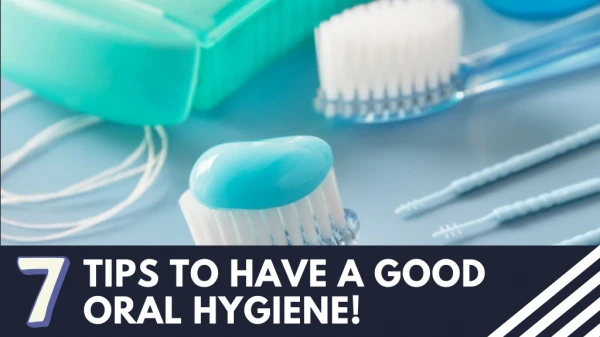
Oral Hygiene Tips to Complement Preventive Dentistry Maintaining a healthy smile requires more than just occasional dental visits. Preventive dentistry for oral health focuses on identifying and addressing dental issues before they become serious, but the foundation of long-lasting oral health lies in daily habits at home. By combining professional preventive care with consistent oral hygiene practices, you can protect your teeth, gums, and overall well-being while reducing the risk of cavities, gum disease, and other dental problems. Brushing your teeth correctly is the first and most important step. Use a soft-bristle toothbrush and fluoride toothpaste to clean all surfaces of your teeth at least twice a day. Gentle circular motions help remove plaque without damaging enamel or gums. Replacing your toothbrush every three to four months ensures that the bristles remain effective. Additionally, don’t forget to clean your tongue, as it can harbor bacteria that contribute to bad breath and oral infections. Flossing daily is equally essential. Even with regular brushing, plaque and food particles can accumulate between teeth where a toothbrush cannot reach. Proper flossing removes these particles and reduces the risk of cavities and gum inflammation. For children or those with difficulty using traditional floss, alternatives like floss picks or water flossers can provide similar benefits. Diet also plays a key role in oral health. Limiting sugary snacks and beverages prevents cavities and helps maintain strong enamel. Incorporating calcium-rich foods like dairy products, leafy greens, and nuts supports tooth and bone strength. Staying hydrated, particularly with water, helps wash away food particles and keeps saliva levels balanced, which naturally protects teeth. Regular dental checkups and professional cleanings are crucial to complement home care. Preventive dentistry includes exams, cleanings, fluoride treatments, and sealants that detect and address issues before they escalate. Communicating openly with your dentist about any concerns, habits, or medical conditions ensures personalized care tailored to your needs. Combining daily oral hygiene habits with professional preventive dentistry strengthens your teeth, protects your gums, and reduces the likelihood of dental problems. By brushing, flossing, maintaining a balanced diet, and scheduling regular dental visits, you can enjoy a healthier, more confident smile. For families and individuals seeking expert guidance, preventative dental care near Friendswood, TX, offers comprehensive services to support long-term oral health and wellness.