Download

1 / 3

E N D
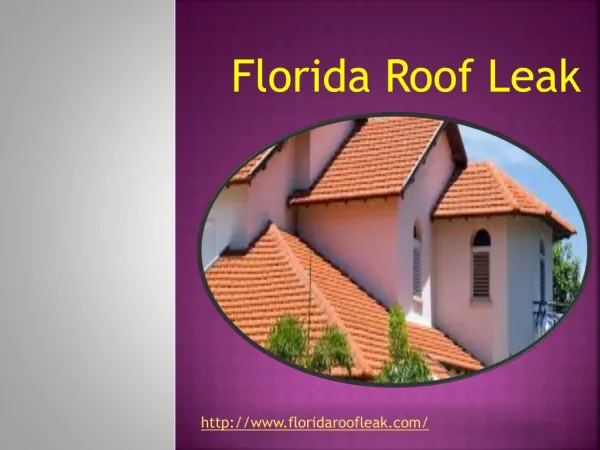
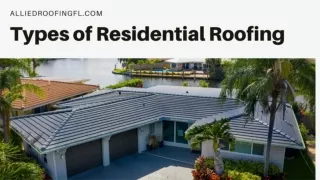
Residential roofing is a critical aspect of home construction and maintenance, providing essential protection from the elements while enhancing the aesthetic appeal and value of a property. This comprehensive overview explores the various types of residential roofing, the importance of proper Residential roofing, factors to consider when choosing a roof, and tips for maintaining and caring for your roof. Types of Residential Roofing There are several types of roofing materials available for residential properties, each with its unique advantages and considerations: 1. Asphalt Shingles ○ Popularity: Asphalt shingles are the most common roofing material in North America due to their affordability and ease of installation. Durability: They typically last 20-30 years. Variety: Available in a range of colors and styles to match different home aesthetics. 2. Metal Roofing ○ Longevity: Metal roofs can last 40-70 years. ○ Energy Efficiency: Reflective properties help reduce cooling costs. ○ Durability: Resistant to harsh weather conditions, including wind and hail. 3. Wood Shingles and Shakes ○ Aesthetic Appeal: Provide a natural, rustic look. ○ Lifespan: Lasts about 30 years with proper maintenance. ○ Considerations: Require more maintenance and are less fire-resistant than other materials. 4. Clay and Concrete Tiles ○ Durability: Can last 50-100 years. ○ Appearance: Often used for Mediterranean, Spanish, and Southwestern-style homes. ○ Weight: Heavier than other materials, requiring additional structural support. 5. Slate Roofing ○ Longevity: Can last over 100 years. ○ Aesthetic: Offers a distinctive, elegant appearance. ○ Cost: More expensive due to material and installation complexity. 6. Synthetic Roofing Materials ○ Innovation: Made from rubber, plastic, or polymer, designed to mimic natural materials like slate or wood. ○ Cost-Effective: Generally more affordable than their natural counterparts. ○ Durability: Varies depending on the specific material used. ○ ○ Importance of Proper Roofing A well-installed and maintained roof is crucial for several reasons: 1. Protection from Elements: The primary function of a roof is to protect the home from weather elements such as rain, snow, wind, and sunlight.
2. Energy Efficiency: Proper roofing can improve insulation, reducing heating and cooling costs. 3. Structural Integrity: A good roof prevents water damage, mold, and mildew, which can compromise the structural integrity of the home. 4. Property Value: A well-maintained roof enhances curb appeal and can increase the resale value of the home. 5. Safety: Ensures the safety of the occupants by providing a stable and secure covering. Factors to Consider When Choosing a Roof When selecting a roofing material, consider the following factors: 1. Climate: Choose materials suited to the local weather conditions. For example, metal roofs are ideal for areas prone to wildfires, while clay tiles are suitable for hot, dry climates. 2. Budget: Roofing materials vary widely in cost. Asphalt shingles are generally the most affordable, while slate and metal roofs are more expensive. 3. Aesthetic: The roofing material should complement the architectural style of the home. 4. Durability and Lifespan: Consider how long the roofing material will last and its resistance to weathering. 5. Maintenance: Some materials require more upkeep than others. For instance, wood shingles need regular treatment to prevent decay. 6. Weight: Ensure the home’s structure can support the weight of the roofing material, particularly for heavy options like slate or clay tiles. Maintaining and Caring for Your Roof Proper maintenance extends the lifespan of your roof and ensures it continues to protect your home effectively: 1. Regular Inspections: Conduct bi-annual inspections, especially after severe weather, to identify and address any damage early. 2. Cleaning: Keep the roof clear of debris, such as leaves and branches, to prevent water accumulation and damage. 3. Gutter Maintenance: Clean gutters regularly to ensure proper drainage and prevent water damage. 4. Repair Damages Promptly: Address any missing shingles, leaks, or other damages immediately to prevent further deterioration. 5. Professional Maintenance: Hire a professional roofing contractor for regular maintenance and complex repairs to ensure the job is done correctly.
Conclusion Residential roofing is an essential aspect of homeownership, providing protection, enhancing energy efficiency, and contributing to the overall value and aesthetic of the property. By understanding the various types of roofing materials, the importance of proper roofing, and how to maintain and care for your roof, read more homeowners can make informed decisions and ensure their roof remains in excellent condition for years to come. Whether you're building a new home or replacing an existing roof, investing in quality roofing materials and professional installation is crucial for long-term satisfaction and peace of mind.