Download

1 / 8
0 likes | 4 Views
HubSpot is the premier choice for growth-focused, marketing-driven teams prioritizing ease of use, rapid adoption, and integrated inbound marketing. Conversely, Microsoft Dynamics 365 is superior for large enterprises requiring deep, complex customization, robust data modeling, and seamless integration within the Microsoft ecosystem.

E N D
HubSpot vs Dynamics 365 codexoxo.com
What is HubSpot HubSpot is an AI-powered, cloud-based customer relationship management (CRM) platform designed to help businesses grow by unifying marketing, sales, content management, and customer service in one place. It enables companies to attract visitors, convert leads, and close deals through automated tools, featuring specific "Hubs" for different business functions.
Key components and functions of HubSpot • CRM Platform: The central database for tracking all customer interactions, managing pipelines, and storing data. • Marketing Hub: Tools for SEO, social media, blogging, email marketing, and automation to attract and nurture leads • Sales Hub: Functionality for email tracking, meeting scheduling, and pipeline management to speed up the sales process. • Service Hub: Customer support tools, including ticketing systems, live chat, and knowledge base management. • Content Management System (CMS): A website builder with drag-and-drop tools. • Operations Hub: Tools for data syncing, cleaning, and automating business processes.
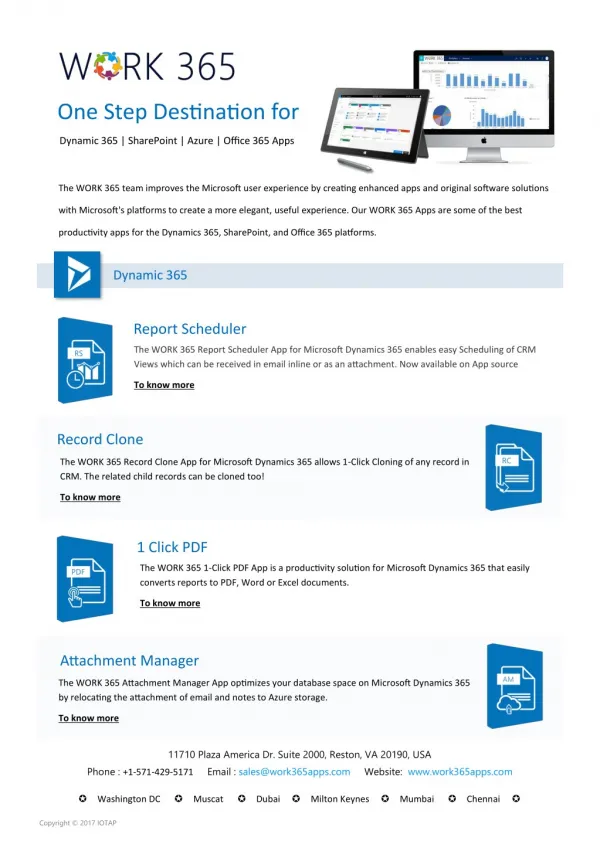
What is Dynamics 365 Dynamics 365 is a cloud-based, AI-powered suite of intelligent business applications combining Customer Relationship Management (CRM) and Enterprise Resource Planning (ERP) capabilities. It streamlines operations across finance, sales, service, and supply chain, enabling businesses to automate workflows, improve customer engagement, and use predictive insights.
Components and Functionality of Dynamics 365 • Unified Suite: Integrates CRM (customer-facing) and ERP (back-office) to eliminate data silos • Core Modules: Includes applications for Sales, Customer Service, Field Service, Finance, Supply Chain Management, and Project Operations. • Dynamics 365 Business Central: A dedicated, all-in-one ERP solution for small and medium-sized businesses. • AI & Copilot: Features built-in AI (Copilot) for generating insights, automating tasks, and enhancing productivity. • Ecosystem Integration: Connects seamlessly with Microsoft 365 (Outlook, Teams, Excel), Azure, and Power Platform for custom applications.
Key Benefits of Dynamics 365 • Scalability: Adaptable solutions that can be implemented as needed (one, some, or all). • Data-Driven: Delivers predictive insights and real-time data for better decision-making. • Efficiency: Automates routine tasks and improves operational efficiency. • Customer Experience: Enhances engagement through a 360-degree view of customer data.
Conclusion HubSpot is the premier choice for growth-focused, marketing-driven teams prioritizing ease of use, rapid adoption, and integrated inbound marketing. Conversely, Microsoft Dynamics 365 is superior for large enterprises requiring deep, complex customization, robust data modeling, and seamless integration within the Microsoft ecosystem.