Hydrocodone vs Oxycodone
Pain management often involves prescription opioids that differ in strength, duration, and clinical use.<br>Hydrocodone vs Oxycodone is a common comparison when doctors evaluate options for treating moderate to severe pain.<br>

Hydrocodone vs Oxycodone
E N D
Presentation Transcript
Hydrocodone vs Oxycodone secondnewlife.com
Table Of Content • Introduction • What is Hydrocodone? • What is Oxycodone? • Medical Uses • Drug Interactions and Warnings • Legal Status and Regulation • Advantages and Disadvantages • conclusion secondnewlife.com
Introduction Hydrocodone and oxycodone are powerful, commonly prescribed schedule II medicines which are commonly used for managing moderate-to-severe pain. While both are highly effective oxycodone is generally more potent, often causing less sedation than hydrocodone, which is frequently combined with acetaminophen. They both carry significant addiction risks, with similar side effects like constipation, nausea, and if misused, dangerous respiratory depression. secondnewlife.com
What is Hydrocodone? Hydrocodone is a powerful semi-synthetic medicine which is used to treat severe pain and in some cases, severe cough. This medicine will act on the central nervous system depressant by binding to mu-opioid receptors, changing how the brain responds to pain. It is highly addictive, typically combined with non-opioid pain relievers and classified as a Schedule II controlled substance. It is essential to use hydrocodone strictly as prescribed. It should not be used for mild or "as needed" pain, and it is intended for individuals already tolerant to opioids. secondnewlife.com
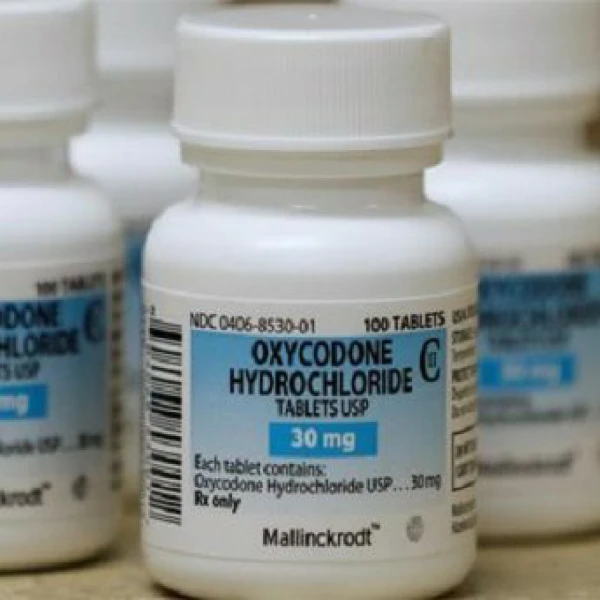
What is Oxycodone? Oxycodone is a potent, prescription, semi-synthetic opioid analgesic medicine which is used to treat often chronic pain by altering the central nervous system's response. It is highly addictive, carries a high risk of dependence. Its serious risks include addiction, abuse, misuse, and life-threatening respiratory depression. And its common side effects are constipation, nausea, vomiting, headache. secondnewlife.com
Medical Uses Medical Uses of Hydrocodone:- Medical use of hydrocodone medicine is commonly prescribed for moderate-to-severe pain, including injury-related, post-surgical, and chronic pain, often in combination with non-opioid analgesics. It has also been used for its strong antitussive effects, though this is now less common. Medical Uses of Oxycodone:- Medical use of Oxycodone medicine which is used to tread moderate to severe pain, especially when around the clock relief is needed. It's often prescribed when other pain medications are insufficient. Oxycodone can be used on its own or in combination with other pain relievers. This medicine is used in post-operative pain, severe injury pain, chronic pain conditions, cancer-related pain. secondnewlife.com
Drug Interactions and Warnings Hydrocodone and Oxycodone are powerful Schedule II medicine which is very risky because they both cause addiction, abuse and fatal respiratory depression. They should never be taken together. Hydrocodone is more commonly associated with sedation, while oxycodone tends to cause more constipation, euphoria, and higher potency, though both carry high risks. secondnewlife.com
Legal Status and Regulation Both of the medicines are classified as Schedule II controlled substances in the US, indicating high potential for abuse, addiction and severe dependence, with strict regulation under the controlled substances Act. Legal Status and Regulation are Schedule II Classification:- The both medicine drugs have authorized medical use but carry the highest level of restriction for prescription drugs. Prescription Requirements:- No refills are allowed on Schedule II prescriptions, however,they can be transmitted electronically. International Status:- Both are tightly controlled in most countries, classified similarly to narcotics. secondnewlife.com
Advantages and Disadvantages Advantages of Hydrocodone are often preferred for moderate to severe acute pain typically combined with acetaminophen which can enhance pain relief. Disadvantages of Hydrocodone: higher incidence of constipation and sedation compared to oxycodone. Advantages of Oxycodone is this is generally considered more potent, often used for severe pain available in both immediate and long-acting formulations. Disadvantages of Oxycodone is higher risk of euphoria, which may lead to higher abuse potential. Increased likelihood of dizziness and nausea. secondnewlife.com
Conclusion Hydrocodone and oxycodone are both widely used opioid analgesics effective in the management of moderate to severe pain. While they share similar mechanisms of action, they differ in potency, formulations, side-effect profiles, and prescribing considerations. Oxycodone is generally considered more potent, whereas hydrocodone is often prescribed for moderate pain and commonly combined with non-opioid analgesics. secondnewlife.com
Thanks For Watching secondnewlife.com