Download

1 / 3
0 likes | 2 Views
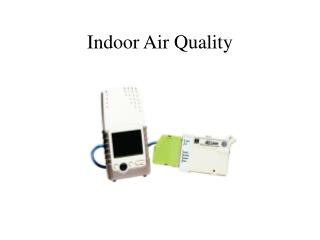
Breathe easier with Air Quality Analysersu2019 indoor air quality sensors, designed to monitor and detect pollutants like CO2, VOCs, humidity, and temperature in real-time. Perfect for homes, offices, schools, and healthcare facilities, our advanced sensors ensure healthier environments by alerting you to harmful indoor air conditions. Backed by reliable data and easy-to-read displays, these devices help you take proactive steps for better indoor air management. Visit Now: https://airqualityanalysers.com/indoor-air-quality/

E N D
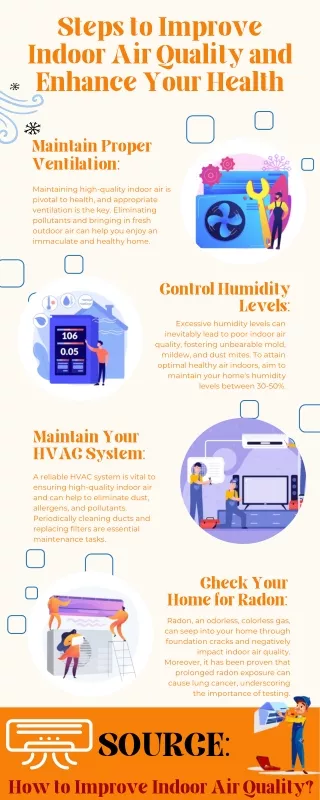
Why Indoor Air Quality Monitoring Is Important? Managing good health in today’s highly polluted environment is quite difficult. However, when talk about pollution, people generally think of smog-filled cities, busy highways, and all outdoor ambience. But, did you know that the air inside your home or office – where you spend most of your time – can, sometimes, be more polluted than the air outside? If you want to maintain good health indoors, you need air quality monitoring. In polluted cities, it is not a luxury, but a necessary safety measure for maintaining good health, comfort and productivity in
indoor environment. This is why indoor air quality sensors are getting a lot of attention. Indoor air pollution Indoor air has different types of contaminants, such as –particulate matter from dust, smoke, and pet dander; volatile organic compounds (VOCs) from cleaning products, paints, and furnishings; mold spores resulting from moisture problems; carbon monoxide, allergens like pollens and dust mites. Most of these pollutants are invisible, often going unnoticed. Proper monitoring is essential for proper detection. Health implications of indoor pollutants Contaminants in indoor air is linked to a wide range of health problems. Short-term exposure can cause headaches, dizziness, fatigue, and irritation of the eyes, nose, and throat. Long-term exposure, however, can lead to serious conditions like asthma, cardiovascular disease, respiratory infections, and even certain cancers. Children, the elderly, and those with preexisting conditions are especially vulnerable. Monitoring indoor air quality allows you to identify the presence of allergens early and take corrective actions before health issues arise. Crucial for comfort of occupants Have you ever felt sluggish, tired, or irritable without any obvious reason while spending time indoors? Poor air quality could be the reason. High levels of carbon dioxide (CO₂), for example, can cause drowsiness and affect cognitive function. By monitoring and
maintaining optimal air quality, you can create a more comfortable and productive environment, whether at home or at work. Early detection of problem-causing agents Indoor air quality sensors can provide real-time data and alert you to potential problems before they become serious. Identifying the presence of allergens and pollutants, you can take precautionary actions and prevent it from turning severe. Regulatory compliance in commercial settings In commercial settings, maintaining good indoor air quality is not just a matter of health—it’s often a legal requirement. Schools, hospitals, and workplaces must meet certain IAQ standards. Monitoring makes it easier to demonstrate compliance and avoid potential fines or legal issues. Conclusively, indoor air quality monitoring is an investment towards health, safety, and overall well-being.