Download

1 / 7
0 likes | 9 Views
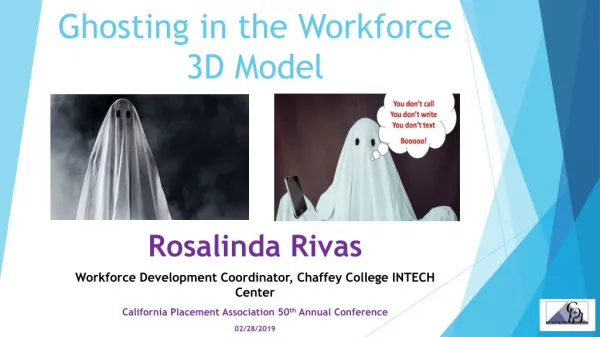
Have you ever been in a relationshipu2014whether romantic, friendship, or even professionalu2014where someone suddenly disappeared without explanation? One day, they were engaging, charming, and present, and the next, they vanished as if you never existed. If this sounds familiar, you might have experienced narcissistic ghosting.

E N D
Narcissistic Ghosting: Understanding the Silent Treatment from a Narcissist Have you ever been in a relationship—whether romantic, friendship, or even professional—where someone suddenly disappeared without explanation? One day, they were engaging, charming, and present, and the next, they vanished as if you never existed. If this sounds familiar, you might have experienced narcissistic ghosting. Ghosting itself is painful, but when it comes from a narcissist, it carries additional emotional weight. Narcissistic ghosting isn’t just about someone losing interest; it’s a calculated move designed to maintain control, inflict emotional damage, or simply discard you when you’re no longer useful. In this article, we’ll explore: 1. What is narcissistic ghosting? 2. Why do narcissists ghost? 3. Signs you’ve been ghosted by a narcissist 4. The psychological impact of narcissistic ghosting 5. How to heal and move forward By the end, you’ll have a deeper understanding of this behavior and how to protect yourself from its effects. 1. What is Narcissistic Ghosting? Ghosting is when someone cuts off all communication without explanation. It’s common in dating, friendships, and even workplaces. However, narcissistic ghosting is different because it’s not just about avoidance—it’s a power play. A narcissist ghosts to: ● Control the relationship dynamics – By disappearing, they keep you guessing and emotionally hooked.
● Punish you – If you’ve challenged them or set boundaries, ghosting is their way of “teaching you a lesson.” ● Avoid accountability – Narcissists hate admitting fault, so vanishing is easier than facing responsibility. ● Discard you when you’re no longer useful – Narcissists see people as sources of supply (attention, admiration, resources). When you stop serving their needs, they disappear. Unlike normal ghosting (which might happen because someone is overwhelmed or afraid of confrontation), narcissistic ghosting is intentional and manipulative. 2. Why Do Narcissists Ghost? Understanding why narcissists ghost can help you make sense of the experience. Here are the most common reasons: A. They Found a New Source of Supply Narcissists thrive on attention and admiration. If they meet someone who gives them more validation, they’ll drop you without a second thought. You were just a temporary ego boost. B. You Stopped Feeding Their Ego If you stopped praising them, questioned their behavior, or set boundaries, they may ghost you as punishment. Narcissists expect constant admiration—anything less feels like betrayal. C. They Enjoy the Power Trip Ghosting keeps you confused and desperate for answers. Narcissists love knowing they have this effect on people. Your pain reinforces their sense of superiority. D. They’re Avoiding Accountability
Narcissists hate admitting mistakes. If they feel you’re about to call them out on their behavior, disappearing is easier than facing criticism. E. They’re Bored Narcissists crave excitement. Once the initial thrill of the relationship fades, they lose interest and move on. 3. Signs You’ve Been Ghosted by a Narcissist Not all ghosting is narcissistic. Here’s how to tell if a narcissist ghosted you: A. They Love-Bombed You First Before ghosting, narcissists often overwhelm you with affection (love-bombing). They might have: ● Texted constantly ● Said “I love you” too soon ● Made grand promises Then, once you were hooked, they pulled away. B. They Disappeared After a Conflict If you argued or set a boundary, and they suddenly vanished, it’s likely narcissistic ghosting. Normal people might take space, but they usually communicate. Narcissists punish you with silence. C. They Reappear When It Suits Them
Narcissists often return weeks or months later, acting like nothing happened. They might: ● Send a casual text (“Hey, stranger!”) ● Pretend they were just “busy” ● Hoover you back in (a manipulation tactic to regain control) D. You Feel Confused and Blame Yourself Narcissistic ghosting leaves you questioning: ● “What did I do wrong?” ● “Why won’t they just explain?” This confusion is intentional—they want you to obsess over them. E. They’re Active on Social Media (But Ignoring You) If they’re posting, liking others’ posts, or even flaunting a new relationship while ignoring you, it’s a sign they’re deliberately cutting you off. 4. The Psychological Impact of Narcissistic Ghosting Being ghosted by a narcissist is more painful than regular ghosting because it’s designed to hurt. Here’s how it affects you: A. Emotional Turmoil ● Anxiety – You keep checking your phone, hoping for a message. ● Self-Doubt – You wonder if you did something wrong. ● Anger – You feel used and disrespected.
B. Trauma Bonding If the narcissist alternated between love-bombing and ghosting, you might be trauma-bonded—addicted to the highs and lows of the relationship. This makes it harder to let go. C. Trust Issues After being discarded so coldly, you may struggle to trust future partners or friends. D. Feeling Replaceable Narcissists treat people as disposable. Their ghosting can leave you feeling worthless. 5. How to Heal and Move Forward Recovering from narcissistic ghosting takes time, but these steps can help: A. Accept That It’s Not About You Narcissists ghost because of their issues, not yours. You didn’t do anything wrong—they’re just incapable of healthy relationships. B. No Contact (For Real This Time) ● Block them everywhere. ● Resist the urge to check their social media. ● If they return (and they might), don’t engage. C. Focus on Self-Worth
● Remind yourself: You deserve consistent love and respect. ● Write down your strengths to counter self-doubt. D. Seek Support ● Talk to friends, a therapist, or a support group. ● Sharing your story reduces shame and isolation. E. Redirect Your Energy ● Dive into hobbies, work, or fitness. ● Rebuild your confidence by achieving personal goals. F. Learn the Red Flags To avoid future narcissists, watch for: ● Love-bombing ● Lack of empathy ● Entitlement ● Quick temper when criticized Conclusion Narcissistic ghosting is a cruel, calculated move—not an accident. The narcissist disappears to maintain control, avoid accountability, or simply because they’ve moved on to their next source of attention. The pain you feel is real, but it’s not a reflection of your worth. Healing involves cutting ties, rebuilding self-esteem, and recognizing that the problem was always them, not you. If you’ve been ghosted by a narcissist, remember: Their silence is your closure. You deserve relationships where people respect you enough to communicate, not disappear.
Stay strong, focus on yourself, and trust that better connections are ahead. For more Information visit: https://narcissisthelp.com/















![[PDF READ ONLINE] Narcissistic Abuse Recovery: Discover How to Recognize a Narcissist and Break](https://cdn7.slideserve.com/12525906/slide1-dt.jpg)
![get [PDF] Download Narcissism: 3 in 1 Narcissistic Parents, After Narcissistic A](https://cdn7.slideserve.com/12538866/narcissism-3-in-1-narcissistic-parents-after-dt.jpg)