Download

1 / 7
0 likes | 1 Views
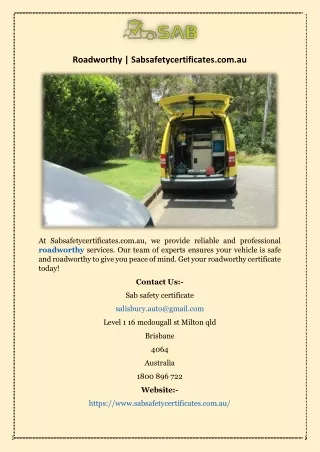
Preparing properly for a Brisbane roadworthy inspection helps avoid costly failures. Check tyres, brakes, lights, windscreen, seatbelts, and body condition before booking. Most failures are preventable, and mobile inspectors offer convenient on-site safety certificate services.

E N D
How to Pass Your Brisbane Roadworthy Inspection on the First Attempt Failing a roadworthy inspection in Brisbane can cost you days of hassle and hundreds in repairs. Around 30% of vehicles fail their first safety certificate inspection, often for preventable issues that owners could have fixed beforehand. Whether you're selling your car, transferring registration, or bringing a vehicle back on the road, passing on the first go saves you time, money, and stress. This guide walks you through exactly how to prepare your vehicle for a roadworthy inspection Brisbane requires, covering every checkpoint that inspectors examine. You'll learn what causes most failures, how to check critical components yourself, and when to seek professional help before your official inspection. Understanding Brisbane's Safety Certificate Requirements A safety certificate (also called a roadworthy certificate) in Brisbane confirms your vehicle meets Queensland's minimum safety standards. The certificate is mandatory when selling a vehicle privately, transferring registration, or re-registering an unregistered vehicle.
Queensland Transport's regulations specify 65 inspection points across major vehicle systems. Inspectors cannot overlook defects—even minor issues can trigger a failure. The certificate remains valid for two months from the inspection date, giving you a window to complete your sale or registration. The inspection covers these primary areas: ● Brake systems (service and parking brakes) ● Tyres and wheels (tread depth, damage, inflation) ● Steering and suspension components ● Lighting and reflectors (headlights, brake lights, indicators) ● Windscreen and windows (cracks, chips, tinting) ● Seatbelts and airbags (function and condition) ● Body and chassis (structural integrity, sharp edges) ● Emissions systems (exhaust leaks, smoke) Unlike a mechanical inspection, the safety certificate focuses purely on safety-related items. Your engine might run rough or burn oil, but if it doesn't affect safety, it won't cause a failure. Check Your Tyres Before Anything Else Tyre issues account for nearly 40% of first-time roadworthy failures in Brisbane. Inspectors examine tread depth, sidewall condition, uneven wear, and proper inflation across all tyres, including your spare. Queensland law requires a minimum 1.6 mm tread depth across the centre three-quarters of the tyre. However, tyres below 3mm struggle in wet conditions and may prompt inspectors to flag them as borderline. Use a tread depth gauge or the 20-cent coin test—insert the coin into the tread groove, and if you can see the platypus bill, your tread is too shallow. Check for these common tyre defects: ● Bulges or bubbles in sidewalls (indicates internal damage) ● Cracks or cuts deeper than 25mm or exposing cords ● Uneven wear patterns (suggests alignment or suspension problems) ● Exposed steel belts or fabric showing through rubber ● Incorrect size tyres mixed on the same axle Ensure all tyres match the vehicle manufacturer's specifications listed on your compliance plate. Mismatched sizes or load ratings will fail inspection. Don't forget your spare tyre—it needs legal tread depth even if you never use it. Test Every Light and Reflector Function Lighting failures represent another 25% of inspection issues. Before yoursafety certificate Brisbaneinspection, test every single light in various combinations. This includes headlights (low and high beam), brake lights, indicators, reverse lights, number plate lights, and fog lights if fitted.
Walk around your vehicle while someone operates each control. Indicators must flash between 60-120 times per minute—too fast suggests a blown bulb elsewhere in the circuit. Brake lights should illuminate simultaneously when you press the pedal. Headlights must provide white light without blue or purple tints from aftermarket globes. Clean all light lenses and check for cracks or missing covers. Even small cracks that allow moisture inside will fail inspection. Replace any discoloured or faded lenses, particularly on older vehicles where UV damage has yellowed the plastic. Reflectors seem minor but are mandatory safety items. Check that both rear reflectors are present, clean, and securely mounted. Side reflectors on longer vehicles must also work properly. Inspect Your Brakes Thoroughly Brake system failures cause serious safety risks and automatic inspection fails. While you can't easily check internal components yourself, several warning signs indicate potential problems you should address before inspection day. Listen for unusual noises when braking—squealing, grinding, or scraping suggests worn pads or damaged rotors. Feel for vibrations through the brake pedal or steering wheel, which often indicate warped rotors. Test your parking brake on a slope to confirm it holds the vehicle firmly. Check your brake fluid level in the reservoir under the bonnet. Low fluid might indicate worn pads or a leak somewhere in the system. The fluid should appear clear or light amber—dark brown or black fluid needs replacement. Warning signs that need immediate attention: ● Brake pedal feels spongy or goes to the floor ● Vehicle pulls to one side when braking ● Brake warning light illuminates on dashboard ● Visible fluid leaks near wheels or under vehicle For most brake issues, professional inspection is essential before your roadworthy test. Mobile mechanics or brake specialists can assess pad thickness, rotor condition, and hydraulic system integrity without you leaving home. Address Windscreen Chips and Cracks Immediately Many Brisbane vehicle owners underestimate windscreen requirements, but inspectors apply strict standards. Any crack longer than 150 mm fails immediately. Chips within the driver's primary vision area (approximately A4 sheet size in front of steering wheel) also cause failure, regardless of size.
Even small stone chips should be repaired before inspection day. Most insurance policies cover windscreen repairs with no excess payment. Professional repairs take 30 minutes and prevent chips from spreading into longer cracks. Side and rear windows need checking too. Cracks, missing glass, or excessive tinting (darker than 35% VLT on front side windows) will fail inspection. Remove any aftermarket tinting that exceeds legal limits before your appointment. Window operation matters as well. Power windows must work from both driver and passenger controls. Manual window winders need smooth operation without excessive force. Examine Body Condition and Sharp Edges Vehicle body requirements focus on safety rather than appearance. Small dents and surface rust won't cause failure, but structural damage, sharp edges, or loose panels will. Walk around your vehicle, checking for protruding metal edges, particularly around wheel arches where rust often creates sharp sections. Any edge that could cut someone on contact must be filed smooth, covered, or repaired. Missing or loose bumper sections need securing—dangling parts fail inspection. Check that all doors open and close properly with functioning locks. Bonnet and boot latches must engage securely. The inspector will test these multiple times during examination. Excessive rust on structural members like chassis rails, floor pans, or suspension mounting points causes failure. Surface rust on non-structural panels is acceptable, but if you can poke through rust with your finger, it's too severe. Verify Seatbelt and Safety Equipment Function Every seatbelt must retract properly, buckle securely, and show no fraying or cuts in the webbing. Test each seatbelt by pulling sharply—the inertia reel should lock immediately. If seatbelts hang loose or don't lock during sharp pulls, the mechanism has failed. For vehicles with airbags, the dashboard warning light must function correctly. The light should illuminate when you turn the ignition on, then extinguish after a few seconds. A light that stays on or doesn't illuminate at all indicates airbag system faults requiring professional diagnosis. Check that your horn works with a clear, audible sound. Test windscreen wipers on all speeds and confirm washer fluid sprays adequately. These systems seem minor but are mandatory safety items. Common Reasons Brisbane Vehicles Fail Inspections Understanding typical failure points helps you target your pre-inspection checks. Based on Queensland Transport audit data, these issues cause most first-time failures:
Most common defects found: ● Worn or damaged tyres (38% of failures) ● Brake system defects (22% of failures) ● Lighting and electrical faults (19% of failures) ● Windscreen damage in vision zones (12% of failures) Other frequent issues include loose exhaust systems, worn suspension bushings, and missing or damaged mirrors. Many of these problems develop gradually, so owners don't notice them during daily driving. Vehicles over ten years old have higher failure rates, particularly for suspension wear and brake deterioration. If your vehicle falls into this category, consider a pre-inspection service where a mobile mechanic checks components before your official roadworthy test. When to Get Professional Pre-Inspection Help Some vehicle issues require professional assessment that's difficult for owners to evaluate. Suspension wear, steering play, and brake system condition need experienced eyes and proper tools to measure accurately. A mobile pre-inspection service brings diagnostic equipment to your location, identifying potential failures before your official roadworthy inspection Brisbane appointment. This approach costs less than failed inspections and repair attempts, plus it highlights exactly what needs fixing. If your vehicle shows any of these symptoms, arrange a professional inspection first: ● Unusual noises from suspension or steering ● Uneven tyre wear patterns ● Vehicle pulling or wandering while driving ● Dashboard warning lights staying illuminated For vehicles with known issues or those sitting unused for extended periods, pre-inspection services provide peace of mind. You'll know exactly what needs addressing rather than discovering problems on inspection day. Prepare These Documents Before Your Inspection Beyond vehicle preparation, gather the correct paperwork. You'll need your current registration certificate or most recent renewal notice. If the vehicle is unregistered, bring the last known registration documents. For vehicles with modifications, approved engineering certificates must accompany the vehicle. This includes suspension lifts, engine swaps, or structural changes. Missing engineering documentation causes automatic failure even if modifications are safe.
Keep maintenance records handy, particularly for recent brake or suspension work. While not mandatory, these records help inspectors understand recent repairs and can speed up the inspection process. Final Pre-Inspection Walkthrough Checklist The day before your inspection, complete this final check to catch any last-minute issues: Test all lights with someone watching from outside. Check indicator flash rates and brake light intensity. Start the engine and verify no warning lights stay illuminated. Test windscreen wipers and washers on all settings. Walk completely around the vehicle, checking for loose panels, sharp edges, or obvious damage. Check all four tyre pressures, including spare (refer to the compliance plate for correct PSI). Examine tread depth and sidewalls for damage. Test each door, bonnet, and boot for proper operation and secure latching. Pull and release all seatbelts to confirm proper retraction and locking. On a quiet street, test your brakes firmly to ensure straight stopping without pulling. Check parking brake holds vehicle on a slope. Look underneath for obvious leaks, damaged exhaust, or hanging components. This walkthrough takes 15 minutes but catches issues while you still have time to fix them. Conclusion Passing your roadworthy inspection in Brisbane on the first try comes down to thorough preparation across tyres, brakes, lights, windscreen, and body condition. Most failures result from easily preventable issues that owners overlook during daily driving. By systematically checking each inspection point beforehand, you avoid the hassle and expense of failed attempts. The key is addressing potential problems before inspection day rather than hoping they slip past the inspector. Queensland Transport standards are non-negotiable—inspectors cannot overlook defects regardless of circumstances. Take the time to prepare properly, or arrange a professional pre-inspection if your vehicle shows warning signs. Ready to book your safety certificate Brisbane inspection? Mobile services bring certified inspectors to your location, saving you the trip to an inspection station and providing the fastest path to certification. For Brisbane vehicle owners seeking hassle-free certification, Totally Mobile Roadworthy brings licensed inspectors directly to your driveway across the entire Brisbane region. Our independent mobile service means honest assessments with no pressure for unnecessary repairs—we don't fix vehicles, we just inspect them. With same-day availability and on-the-spot certificates for passing vehicles, we've helped thousands of Brisbane residents complete sales and registrations without wasted trips to inspection centres.
Is your Brisbane vehicle ready for its first-try safety certificate success? FAQs Q-1: How long does a roadworthy inspection take in Brisbane? A standard roadworthy inspection takes 30-45 minutes for cars and light vehicles. Mobile inspectors conduct thorough checks on-site at your location. If your vehicle passes, you receive the certificate immediately. Vehicles requiring repairs need re-inspection after fixes are complete. Q-2: Can I drive my car if it fails a roadworthy inspection? Yes, you can legally drive a registered vehicle that fails its roadworthy inspection. However, you cannot sell the vehicle, transfer registration, or re-register an unregistered vehicle without a valid safety certificate. The failed inspection report identifies specific defects requiring repair. Q-3: How much does a roadworthy inspection cost in Brisbane? Safety certificate inspections in Brisbane typically cost $85-$150 depending on vehicle type. Cars and light vehicles start around $85, while larger vehicles like trucks or caravans cost more due to additional inspection points. Mobile services often charge similar rates to fixed locations but save you travel time. Q-4: What's the difference between a roadworthy and a mechanical inspection? A roadworthy (safety certificate) inspection only examines safety-related components required by Queensland law. A mechanical inspection is more comprehensive, checking engine performance, transmission, cooling systems, and other mechanical condition beyond safety requirements. Roadworthy inspections don't assess overall vehicle condition or reliability. Q-5: Do I need a roadworthy certificate to sell my car privately in Brisbane? Yes, Queensland law requires a valid safety certificate (roadworthy certificate) for all private vehicle sales. The certificate must be less than two months old at the time of sale. Dealers can sell vehicles without certificates, but private sellers cannot legally complete ownership transfer without one.











![Download [ebook] The Steal: The Attempt to Overturn the 2020 Election and the People Who Stopped It Full](https://cdn5.slideserve.com/11085769/slide1-dt.jpg)