Download

1 / 3
0 likes | 12 Views
Recognize early warning signs like chest pain, fatigue, and shortness of breath. Consult a cardiologist in Bhubaneswar for timely diagnosis and preventive care to safeguard your heart health.

E N D
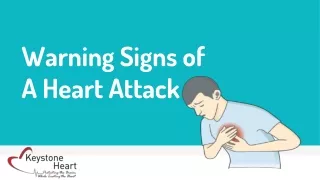
10 Early Warning Signs of Heart Disease Everyone Should Know Heart disease is one of the leading causes of death worldwide, but the good news is that early detection can make all the difference. Recognizing the signs early on and seeking timely medical advice can improve outcomes significantly. As a cardiologist in Bhubaneswar, I’ve seen many patients benefit from being aware of the warning signs and getting the help they need before things worsen. Here are ten early warning signs of heart disease that everyone should be mindful of. 1. Chest Pain or Discomfort The most common and well-known sign of heart disease is chest pain. While not all chest pain is related to the heart, a feeling of tightness, pressure, or pain in the chest can indicate a problem with your heart. If you experience this, it's crucial to seek medical help immediately. A cardiologist in Bhubaneswar can perform tests to determine if it’s related to heart disease. 2. Shortness of Breath If you find yourself getting winded easily or feeling out of breath even with minimal physical activity, it might be an early sign of heart disease. This could be due to fluid buildup in the lungs, which occurs when the heart is struggling to pump blood efficiently. This symptom should not be ignored. 3. Fatigue
Unusual fatigue is a common symptom of heart disease, especially in women. If you’re feeling unusually tired even after a good night’s sleep or after minimal physical activity, it could be a sign that your heart is not working as efficiently as it should be. 4. Irregular Heartbeat If you feel your heart skipping beats, fluttering, or beating very quickly, it could indicate an arrhythmia, which is an abnormal heart rhythm. While some arrhythmias are harmless, others can be dangerous and should be evaluated by a cardiologist. 5. Swelling in the Legs, Ankles, or Feet Heart failure can cause fluid to build up in the body, leading to swelling in the lower extremities. If you notice persistent swelling, it could be a sign that your heart is not pumping blood as efficiently as it should, leading to fluid retention. 6. Pain in the Neck, Jaw, or Back While chest pain is the most common sign, pain can also radiate to other parts of the body. Heart- related pain may extend to the neck, jaw, shoulders, back, or arms. If you experience this type of pain, especially when accompanied by shortness of breath or dizziness, don’t hesitate to get medical attention. 7. Dizziness or Lightheadedness If you feel dizzy or lightheaded, it could be due to a drop in blood pressure or insufficient blood flow to the brain, both of which can be signs of heart problems. If this happens frequently, it’s time to see a doctor. 8. Nausea or Vomiting Nausea, indigestion, or even vomiting can be symptoms of heart disease, especially in women. This may happen in conjunction with chest pain or shortness of breath, and it’s often misinterpreted as a stomach issue. Always consult with a healthcare professional to rule out heart disease. 9. Cold Sweats If you’re sweating excessively without any apparent reason, it could be a sign of heart distress. Cold sweats, especially when accompanied by chest pain or shortness of breath, require immediate attention from a medical professional. 10. Sleep Apnea Sleep apnea, a condition where your breathing stops and starts during sleep, is closely linked to heart disease. People with sleep apnea are at a higher risk of developing high blood pressure, heart failure, and even stroke. If you snore loudly or wake up gasping for air, it’s time to get checked. What to Do If You Experience Any of These Signs It’s important to remember that these warning signs can appear gradually or suddenly. If you experience any of them, don’t wait for things to worsen. Early diagnosis and treatment are key in managing heart
disease effectively. A cardiologist in Bhubaneswar can help you identify whether your symptoms are heart-related and recommend the appropriate course of treatment. Conclusion Heart disease is a serious condition, but many of its symptoms can be prevented or managed if detected early. By paying attention to the warning signs and seeking timely help from a cardiologist, you can greatly reduce the risks associated with heart disease. Remember, your heart health is vital—don’t ignore the signs. Stay vigilant, and if you notice any of these symptoms, consult with a healthcare professional as soon as possible. Consult Dr. Gyana Ranjan Nayak for expert cardiology care and treatment.