Download

1 / 4
0 likes | 9 Views
The catalytic converter is one of the most critical components of your vehicle's exhaust system.<br>This small device plays a significant role in reducing harmful emissions and keeping your car<br>environmentally compliant. As automotive technology has advanced, so has the importance of<br>maintaining and replacing the catalytic converter when necessary. For vehicle owners,<br>understanding when and why a catalytic converter replacement is required can make a<br>substantial difference in the performance and longevity of their vehicle. In this article, we'll<br>discuss the importance of catalytic converters, sig

E N D
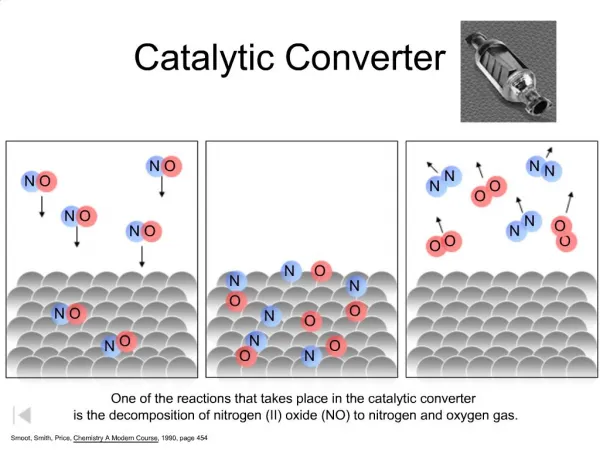
Catalytic Converter Replacement: Essential Maintenance for Your Exhaust The catalytic converter is one of the most critical components of your vehicle's exhaust system. This small device plays a significant role in reducing harmful emissions and keeping your car environmentally compliant. As automotive technology has advanced, so has the importance of maintaining and replacing the catalytic converter when necessary. For vehicle owners, understanding when and why a catalytic converter replacement is required can make a substantial difference in the performance and longevity of their vehicle. In this article, we'll discuss the importance of catalytic converters, signs that indicate your exhaust catalytic converter may need replacement, and the benefits of timely catalytic converter replacement. Understanding the Role of Catalytic Converters At its core, the catalytic converter is designed to reduce the emissions that vehicles produce as part of the combustion process. As your engine burns fuel, it creates a mix of harmful gases, including carbon monoxide (CO), nitrogen oxides (NOx), and hydrocarbons (HC). These pollutants are harmful to the environment and contribute to global warming, smog, and other environmental hazards. The catalytic converter helps by breaking down these toxic gases into less harmful substances, such as carbon dioxide (CO2) and water vapor.
The efficiency of your exhaust catalytic converter can directly affect the overall performance of your vehicle, especially its emissions output. Vehicles that do not have functioning catalytic converters can release up to 90% more harmful emissions into the atmosphere, which is why regular maintenance and replacement when necessary is crucial. Why Catalytic Converter Replacement is Necessary Catalytic converters are built to last a long time, but like any component of your vehicle, they wear out over time. Most converters are designed to function optimally for around 10 years or 100,000 miles. However, the lifespan of a catalytic converter can vary depending on several factors, including driving conditions, fuel quality, and how well the exhaust system is maintained. Several signs indicate that your catalytic converter may need to be replaced: 1. Decreased Engine Performance: If you notice that your vehicle is not accelerating as quickly or feels sluggish, it could be a sign that the catalytic converter is clogged. A blocked converter can create back pressure in the exhaust system, which limits the engine’s ability to release exhaust gases properly. 2. Check Engine Light: The "Check Engine" light on your dashboard can illuminate for various reasons, but one common cause is a failing catalytic converter. Modern vehicles have oxygen sensors that monitor the exhaust system. When these sensors detect that the converter isn't functioning properly, they trigger the check engine light. 3. Poor Fuel Efficiency: A failing catalytic converter can cause a drop in your vehicle's fuel efficiency. When the converter is blocked or malfunctioning, the engine has to work harder, which consumes more fuel. If you notice that you're filling up the gas tank more often than usual, it could be due to a faulty catalytic converter. 4. Rotten Egg Smell: A distinct, sulfur-like smell coming from your vehicle’s exhaust is a tell-tale sign that the catalytic converter is not functioning as it should. This odor is caused by the build-up of sulfur compounds in the exhaust gases, which would typically be neutralized by a functioning catalytic converter. 5. Failed Emissions Test: If your vehicle fails an emissions test, it’s likely due to a problem with the exhaust system, specifically the catalytic converter. Since the primary function of the converter is to reduce emissions, a malfunctioning one will prevent your car from meeting the required emissions standards. The Process of Catalytic Converter Replacement Replacing a catalytic converter isn’t as straightforward as swapping out a simple component. It involves the entire exhaust system, which is why it’s important to work with professionals for the job. Here’s what happens during a catalytic converter replacement:
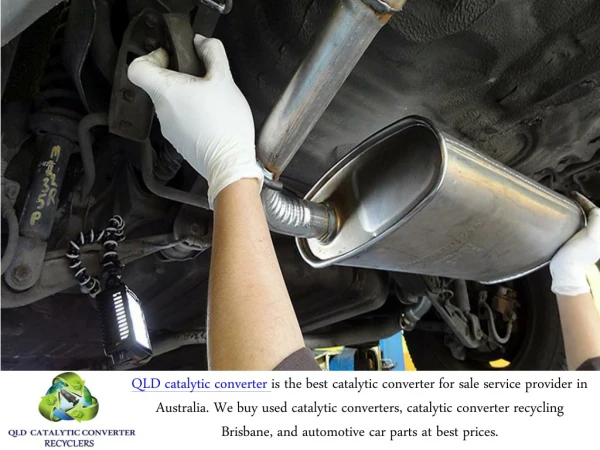
1. Inspection: A technician will first perform a thorough inspection of the exhaust system. This includes checking for leaks, damage, and blockages in the exhaust catalytic converter. They’ll also check the oxygen sensors and other related parts to ensure that the entire system is working properly. 2. Removal: If the catalytic converter needs to be replaced, the technician will remove the old one. This typically involves cutting or unbolting the converter from the exhaust pipe, depending on the design of your vehicle’s exhaust system. 3. Replacement: The new catalytic converter is then installed in place of the old one. It’s important to use a direct-fit converter to ensure compatibility with your vehicle’s make and model. Universal converters may not work as effectively and could cause more issues down the road. 4. Testing: After installation, the technician will run tests to ensure that the new catalytic converter is functioning correctly. This includes checking for leaks, making sure the engine is running smoothly, and verifying that emissions levels have returned to normal. The Importance of Choosing the Right Catalytic Converter Not all catalytic converters are created equal. With the rise of strict emissions regulations across North America and other regions, it’s important to choose a high-quality catalytic converter that meets or exceeds these standards. At Excel Exhaust, we specialize in providing top-tier catalytic converters that are designed to be both durable and efficient. Our products are crafted from premium-grade materials that ensure optimal performance, even under the harshest driving conditions. Additionally, using a direct-fit catalytic converter is essential for a hassle-free installation. Direct-fit converters are specifically designed to match the dimensions and performance requirements of your vehicle’s exhaust system. This ensures a seamless replacement process and helps maintain the overall efficiency of your exhaust system. Preventing Catalytic Converter Issues While catalytic converters will eventually need replacement, you can take steps to extend their lifespan. Here are some tips for maintaining your exhaust catalytic converter: ● Use high-quality fuel: Cheap or contaminated fuel can introduce impurities into your exhaust system, which can damage the catalytic converter over time. Always use fuel from trusted suppliers. Regular Maintenance: Regularly scheduled maintenance is key to preventing issues with your catalytic converter. Have your exhaust system inspected periodically, especially if you notice any warning signs like strange smells or poor performance. Fix Engine Issues Promptly: If your engine is experiencing issues, such as misfiring or running rich (too much fuel and not enough air in the combustion process), it can lead to premature wear of the catalytic converter. Always address engine issues as soon as they arise. ● ●
● Avoid Short Trips: Short trips prevent your catalytic converter from reaching its optimal operating temperature, which is essential for its proper function. When possible, avoid frequent short drives, and let your engine run for longer periods to heat the converter fully. Conclusion A functioning catalytic converter is crucial not only for the health of your vehicle but also for the environment. Failing to replace a damaged or malfunctioning exhaust catalytic converter can lead to decreased engine performance, poor fuel efficiency, and higher emissions. By understanding the signs of catalytic converter failure and knowing when to seek a replacement, you can ensure that your vehicle stays in peak condition for years to come. At Excel Exhaust, we provide high-quality catalytic converters that are designed to meet and exceed the latest emissions standards. Whether you need a direct-fit replacement for a hard-to-find model or a high-performance converter for your vehicle, we’ve got you covered. Contact us today for more information on our products and services!