Download
1 / 5
0 likes | 1 Views
Cloud platforms have become the foundation of modern digital operations.<br>Businesses rely on leading providers like Amazon Web Services and Microsoft<br>Azure to host applications, manage data, and support remote workforces. While<br>these platforms offer built in security capabilities, the responsibility for protecting<br>data, configurations, and user access often falls on the customer. Without<br>structured protection strategies, misconfigurations and weak controls can expose<br>critical assets to cyber threats.<br>

E N D
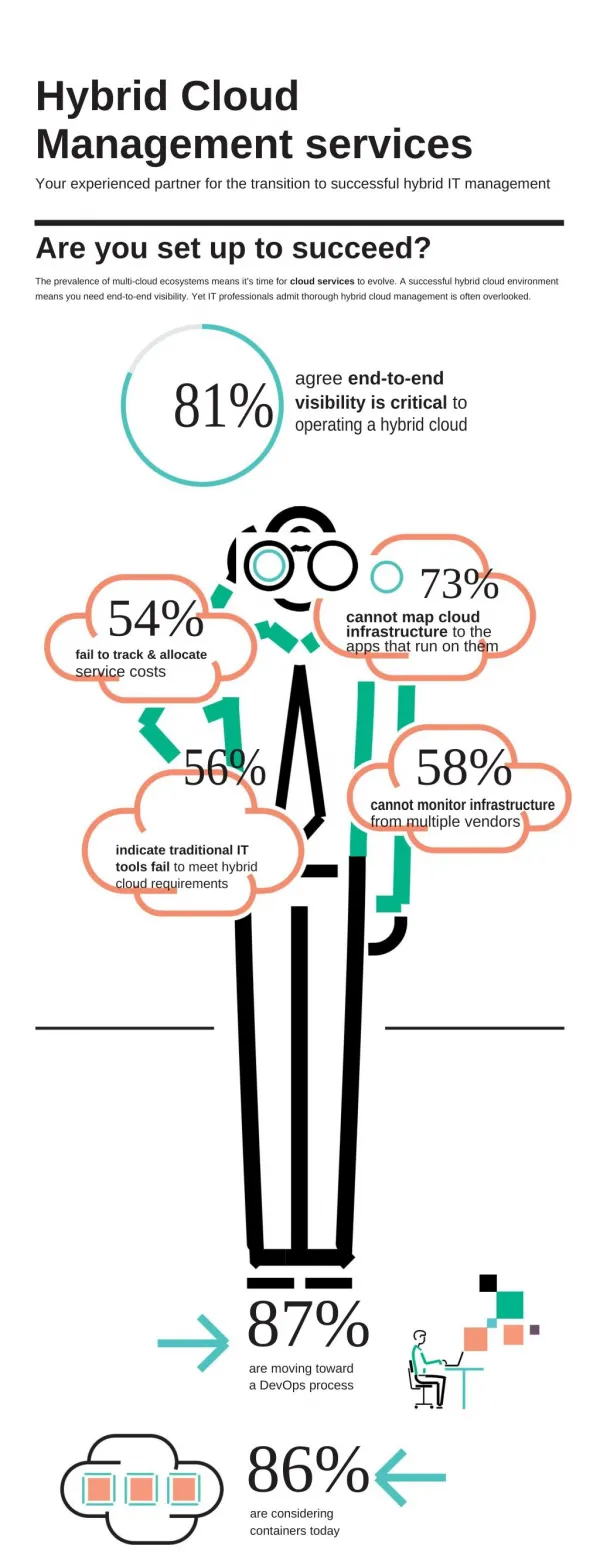
How Cloud Security Services Protect Data in Hybrid Environments Hybrid environments have become the new standard for modern organizations. Businesses often combine public cloud platforms with private infrastructure to balance flexibility, scalability, and control. While this approach offers operational advantages, it also introduces complex security challenges. Data moves between multiple environments, users access systems remotely, and applications run across distributed networks. Without strong protection measures, these interconnected systems can become vulnerable to cyber threats. The Role of Cloud Security Services in Hybrid Infrastructure In hybrid ecosystems, cloud security services provide centralized protection across both on premise and cloud based resources. These services are designed to monitor data flows, enforce access controls, and detect suspicious behavior regardless of where workloads are hosted.
Unlike traditional security models that focus on a single perimeter, hybrid security requires continuous visibility across multiple platforms. Cloud security services integrate monitoring tools, identity management systems, encryption technologies, and automated response mechanisms to ensure consistent protection. This unified strategy eliminates blind spots that attackers often exploit when transitioning between environments. By maintaining real time oversight of infrastructure activity, organizations can quickly identify misconfigurations, unauthorized access attempts, or unusual data transfers before they escalate into major incidents. Securing Data in Transit and at Rest Data constantly moves between private servers and public cloud platforms in hybrid environments. Each transfer presents potential exposure if not properly secured. Encryption plays a critical role in protecting data during transmission. Secure communication protocols ensure that intercepted data remains unreadable to unauthorized parties. Data stored in both cloud and on premise systems must also be encrypted. Strong key management policies ensure that only authorized users can decrypt sensitive information. This layered approach reduces the risk of data breaches even if attackers gain temporary access to storage systems. Regular audits and automated compliance checks further strengthen data protection by identifying weaknesses in encryption configurations. Identity and Access Management Across Platforms Hybrid environments often involve multiple user accounts, administrative roles, and access points. Without strict control, excessive permissions can lead to accidental exposure or malicious misuse. Identity and access management systems provide structured authentication and authorization processes. Role based access controls ensure that users only have access to resources necessary for their responsibilities. Multi factor authentication adds another layer of protection by requiring additional verification beyond passwords. Continuous
monitoring of login activity helps detect unusual patterns, such as access attempts from unfamiliar locations. By controlling identity across environments, businesses prevent unauthorized access and reduce insider threats. Continuous Monitoring and Threat Detection Hybrid infrastructures generate vast amounts of security data. Logs from cloud services, firewalls, endpoints, and applications must be analyzed in real time to detect potential threats. Advanced monitoring tools collect and correlate this information to identify suspicious behavior patterns. Security analytics can detect anomalies such as unexpected configuration changes, unauthorized data downloads, or unusual network traffic. Automated alerts notify security teams immediately, enabling rapid investigation and containment. Proactive threat hunting further strengthens defenses by identifying hidden threats that may not trigger standard alerts. This approach ensures that even sophisticated attacks are discovered before causing significant harm. Preventing Misconfigurations and Compliance Risks Misconfigurations are among the most common causes of cloud related breaches. In hybrid environments, inconsistent security policies between on premise and cloud systems increase this risk. Automated configuration management tools continuously scan for vulnerabilities and policy violations. Compliance requirements also vary depending on industry regulations. Cloud security strategies include reporting features and audit trails that demonstrate adherence to data protection standards. Maintaining consistent policies across all environments simplifies regulatory compliance and reduces the risk of penalties. Enhancing Business Resilience and Continuity
Data protection in hybrid environments directly impacts business continuity. A breach or system outage can disrupt operations and damage customer trust. Effective security frameworks minimize downtime by detecting threats early and enabling rapid response. Disaster recovery planning is also integrated into cloud security strategies. Secure backups, redundancy, and recovery testing ensure that critical data can be restored quickly in the event of an incident. This preparedness supports uninterrupted business operations even during unexpected disruptions. For organizations seeking structured and reliable protection, providers such as Cloak Point offer tailored strategies that address the complexities of hybrid environments while maintaining strong security controls. Conclusion Hybrid environments offer flexibility and scalability, but they also introduce unique security challenges. Protecting data across interconnected platforms requires more than isolated tools or reactive measures. Cloud security services deliver centralized monitoring, encryption, identity management, and automated threat detection that work together to safeguard digital assets. By implementing consistent security controls across both cloud and on premise systems, businesses reduce vulnerabilities, prevent data breaches, and maintain compliance. In a world where digital infrastructure is increasingly interconnected, strong hybrid security is essential for protecting sensitive information and sustaining long term growth. FAQs 1. What is a hybrid cloud environment? A hybrid cloud environment combines public cloud services with private or on premise infrastructure, allowing data and applications to move between them. 2. Why are hybrid environments more complex to secure?
They involve multiple platforms, configurations, and access points, which increases the potential for misconfigurations and security gaps. 3. How do cloud security services protect hybrid systems? They provide centralized monitoring, encryption, identity management, and automated threat detection across all connected environments. 4. What is the biggest security risk in hybrid environments? Misconfigurations and weak access controls are among the most common causes of data breaches in hybrid systems.