Visiting a middle eastern restaurant sydney is a journey through a vibrant world of flavours, where spices take centre stage. Middle Eastern cuisine is renowned for its aromatic blends that transform simple ingredients into extraordinary dishes. The careful combination of spices creates depth, warmth, and complexity that makes each meal unforgettable.
The Role of Spices in Middle Eastern Cuisine
Spices are not merely seasonings in Middle Eastern cooking—they are the soul of every dish.
Layering Flavours
From cumin and coriander to cinnamon and paprika, spices are often combined to layer flavours. This technique allows chefs to create dishes that are both nuanced and bold. For example, a grilled lamb skewer might be marinated in a blend of allspice, sumac, and garlic, resulting in a meat that is fragrant, tender, and bursting with taste.
Balancing Aroma and Taste
Middle Eastern cooks use spices to balance flavour profiles. Sweet spices like cinnamon or nutmeg might be paired with savoury meats, while tangy spices such as sumac add brightness to salads and dips. This thoughtful balance ensures that every bite is harmonious, never overwhelming, and always inviting.
Signature Spices You Must Try
Middle Eastern cuisine features spices that are distinct and unforgettable.
Sumac
Sumac is a tangy, lemony spice often sprinkled over salads like fattoush or grilled meats. Its acidity brightens dishes, cutting through richer flavours and adding a refreshing kick.
Za’atar
Za’atar is a fragrant mix of thyme, sesame seeds, sumac, and salt. Often used on flatbreads or mixed with olive oil, it adds earthiness and aroma, making simple breads and vegetables extraordinary.
Cinnamon and Allspice
Sweet and warm, cinnamon and allspice are used in both savoury and sweet dishes. They enrich rice dishes, stews, and desserts, providing depth and a comforting aroma that lingers on the palate.
Spices in Everyday Middle Eastern Dishes
Spices are integral to a variety of dishes that define Middle Eastern dining.
Mezze and Dips
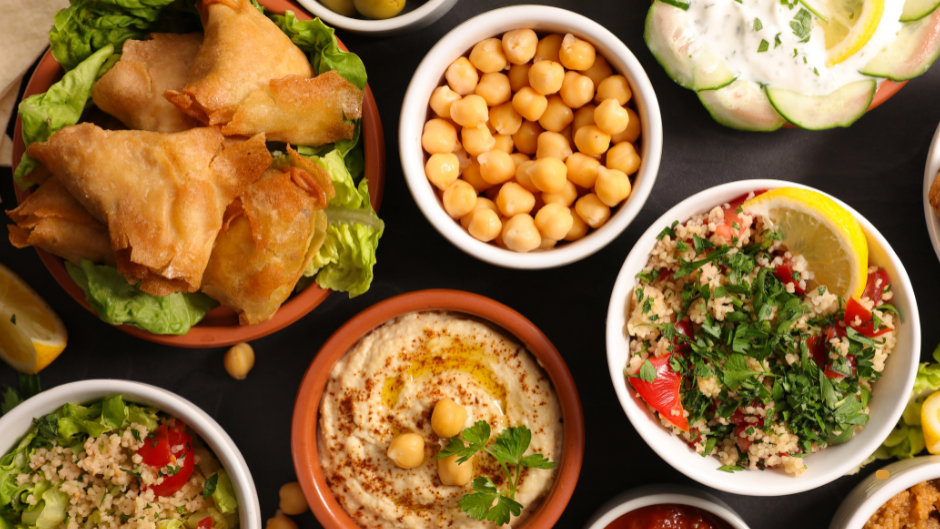
Dips like hummus, baba ganoush, and muhammara rely on subtle spice to enhance their natural ingredients. Paprika, garlic, and lemon bring these spreads to life, offering a balance of smokiness, tang, and warmth.
Grilled Meats and Seafood
Kafta, lamb skewers, and seafood dishes are often marinated in spice blends before cooking. This infusion ensures that the flavours penetrate the protein, producing juicy, aromatic results that are rich yet balanced.
Stews and Rice Dishes
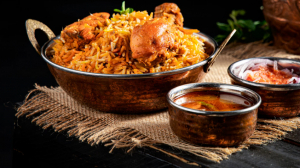
Long-simmered stews, such as fasoulia or okra with tomato sauce, use spices to layer flavour over time. Rice dishes often feature saffron, cinnamon, or allspice, transforming simple grains into fragrant, colourful accompaniments.
The Sensory Experience of Spices
Middle Eastern spices appeal to all the senses.
Aroma
Walking into a Middle Eastern restaurant, the scent of spices alone can be intoxicating. Roasted cumin, fresh herbs, and sweet hints of cinnamon instantly evoke warmth and appetite.
Taste and Texture
Spices provide both flavour and texture. Sesame seeds in za’atar add a subtle crunch, while ground spices create smooth, enveloping layers on meat or in dips. Each bite offers complexity, making the dining experience dynamic and memorable.
The magic of Middle Eastern cooking lies in its masterful use of spices. They bring depth, aroma, and balance to every dish, from fresh mezze and grilled meats to rich stews and desserts. Spices elevate simple ingredients into extraordinary meals, creating a sensory journey that engages the eyes, nose, and palate. Dining at a Middle Eastern restaurant allows you to experience this artistry firsthand, celebrating flavours that are vibrant, nuanced, and unforgettable.